
Kaya Toast
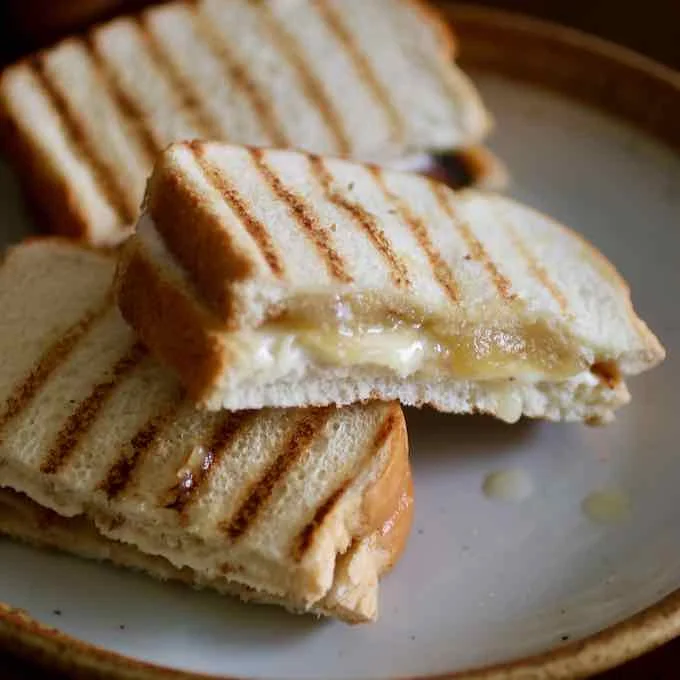
Kaya toast pairs crisp bread with fragrant coconut-and-egg jam and cold butter. It is a much-loved breakfast in Malaysia and Singapore, and the homemade kaya can be prepared ahead.
Ingredients
- 283 g (10 oz; about 6 large eggs)eggs
- 250 g (1¼ cups)sugar
- 397 g (14 oz)coconut milk
- 4pandan leaves
- 67 g (⅓ cup)brown sugar (or palm sugar)
- to tasteslices of bread
- to tastebutter
- as neededcheesecloth
- as neededfine mesh strainer
Instructions
- 1
Beat the eggs
In a bowl, beat the eggs.
- 2
Strain the eggs
Pass the beaten eggs through cheesecloth or a very fine mesh strainer.
- 3
Warm the coconut
Heat the coconut milk in a non-stick-coated pan, then dip the pandan leaves into the hot milk.
- 4
Infuse the pandan
Leave the leaves to infuse for 15 minutes.
- 5
Combine the mixture
Remove and discard the pandan leaves, then pour the coconut milk into the egg mixture. Add the sugar and mix.
- 6
Cook the kaya
Cook over low heat for 1 to 1½ hours, stirring regularly.
- 7
Add palm sugar
When the kaya starts to thicken, add the palm sugar.
- 8
Adjust the thickness
For thicker kaya, continue cooking until it reaches the consistency you want.
- 9
Cool and chill
Leave the kaya to cool, then store it in a glass jar in the refrigerator.
- 10
Toast the bread
Toast the bread slices in a toaster, oven or on a hot plate.
- 11
Spread the kaya
Generously spread kaya over half of the toast slices.
- 12
Add the butter
Place slices of very cold butter, 3–4 mm (⅙ inch) thick, on the kaya-covered toast.
- 13
Make sandwiches
Cover each topped slice with one of the remaining slices of toast.
- 14
Cut and serve
Cut the toasts in half if you like, then enjoy.
What is kaya toast?
Kaya toast is a breakfast favourite in Malaysia and Singapore: toasted bread is filled with kaya, a sweet spread made with coconut milk and eggs, often scented with pandan. It belongs to the region’s kopitiam café culture, where it is commonly served as a simple toast-and-coffee breakfast.
This version makes kaya from scratch and pairs it with very cold butter. The contrast between crisp toast, smooth jam and firm butter is central to the dish.
Nutrition and macros by portion
The nutrition label shows one serving as written: 5 calories, 1g protein, 1g carbs, 1g fat.
| Portion | Adjustment | kcal | Protein | Carbs | Fat |
|---|---|---|---|---|---|
| Lighter | Use less butter | 4 kcal | 1g | 1g | 1g |
| This serving | As written | 5 kcal | 1g | 1g | 1g |
| Hungry | Add another toast sandwich | 8 kcal | 2g | 2g | 2g |
The bread and sugars provide most of the carbohydrates, while coconut milk and butter contribute fat; eggs add some protein. For a more balanced plate, serve the toast with fresh fruit and a protein-rich accompaniment such as plain yoghurt.
The ingredients that matter
Pandan leaves: infusing them in hot coconut milk gives the kaya its distinctive fragrant note. Remove them before combining the milk with the eggs.
Coconut milk and eggs: these form the creamy base of the spread. Straining the beaten eggs helps remove lumps before cooking.
Sugar: the recipe adds regular sugar to the mixture and brown or palm sugar once it begins to thicken, giving the kaya a deeper sweetness.
Cook the kaya gently
Low heat: cook the mixture gently for 1 to 1½ hours and stir regularly, as directed. Slow cooking lets it thicken without rushing the process.
Watch the change: add the palm sugar when the kaya starts to thicken. If you want a firmer spread, continue cooking until it reaches your preferred consistency.
Get the texture right
Smooth spread: strain the eggs before mixing them with the coconut milk to help the finished kaya stay even. Stirring during cooking also helps keep the mixture consistent.
Cold butter: cut it into 3–4 mm slices and keep it very cold until serving. It will stay distinct against the kaya rather than blending straight into the toast.
Toast and assemble just before eating
Toast the bread in a toaster, oven or on a hot plate, then spread kaya over half the slices. Add the cold butter and close each sandwich with a second slice.
Assemble close to serving time so the toast stays crisp. Halve the sandwiches if you prefer smaller pieces.
What to serve with it
Serve kaya toast warm, with coffee or tea for a straightforward breakfast. Fresh fruit on the side adds a bright contrast to the sweet, rich filling.
Because the toast is filling, a simple accompaniment is usually enough; the kaya and butter are the focus.
Recipe notes & tips
- Strain the beaten eggs through cheesecloth or a very fine mesh strainer before mixing.
- Keep the heat low and stir the kaya regularly throughout its long cooking time.
- Use the recipe’s browning cue: add the palm sugar once the kaya starts to thicken.
- Let the kaya cool before transferring it to a glass jar for refrigeration.
- Slice the butter to an even 3–4 mm thickness so it sits neatly inside the toast.
- Toast and assemble the sandwiches shortly before serving for the best contrast in texture.
Variations
- Use palm sugar: choose it instead of brown sugar for the kaya’s second addition.
- Choose your bread: use the bread slices you have, toasted in a toaster, oven or on a hot plate.
- Skip the butter: spread kaya on the toast alone for a simpler filling.
- Serve open-faced: top one piece of toast with kaya and cold butter instead of making a sandwich.
- Cut into smaller pieces: halve the finished sandwiches for easier sharing.
Common mistakes to avoid
- Cooking over high heat: the recipe calls for low heat; keep it gentle and stir regularly.
- Skipping the egg straining: strain the beaten eggs before combining to help avoid lumps.
- Adding pandan leaves to the egg mixture: remove and discard them after the 15-minute infusion.
- Adding palm sugar too early: wait until the kaya starts to thicken before adding it.
- Using warm butter: keep the butter very cold and slice it 3–4 mm thick for the intended contrast.
- Making the toast too far ahead: assemble close to serving so the bread remains crisp.
How to store
Cool the kaya and keep it in a glass jar in the refrigerator. The recipe does not specify a storage duration, so use it promptly and follow safe food-storage guidance. Toast is best assembled and eaten fresh rather than stored as a sandwich.
Frequently asked questions
What does kaya taste like?
It is a sweet, creamy coconut-and-egg spread, with pandan adding a fragrant note. Brown or palm sugar contributes a deeper sweetness.
Can I make the kaya ahead?
Yes. Cool it and store it in a glass jar in the refrigerator, then toast and assemble the sandwiches when you are ready to eat.
How do I know when the kaya is thick enough?
It should thicken as it cooks over low heat. Continue cooking for a thicker spread, stopping when it reaches the consistency you prefer.
Can I use palm sugar instead of brown sugar?
Yes. The recipe gives palm sugar as an alternative to brown sugar for the addition made once the kaya starts to thicken.
What bread should I use?
Use slices of bread that can be toasted in a toaster, oven or on a hot plate. The recipe does not specify a particular type.
Why is the butter very cold?
Cold, 3–4 mm-thick butter slices keep their shape between the toast and kaya, adding a cool, firm contrast to the soft spread.
Cook it from the original
This recipe comes from 196flavors.com. Their page has the author’s own photos, notes and tips — the best place to cook it from.
Open the recipe on 196flavors.com