
Sabudana Khichdi (non-sticky every time)!
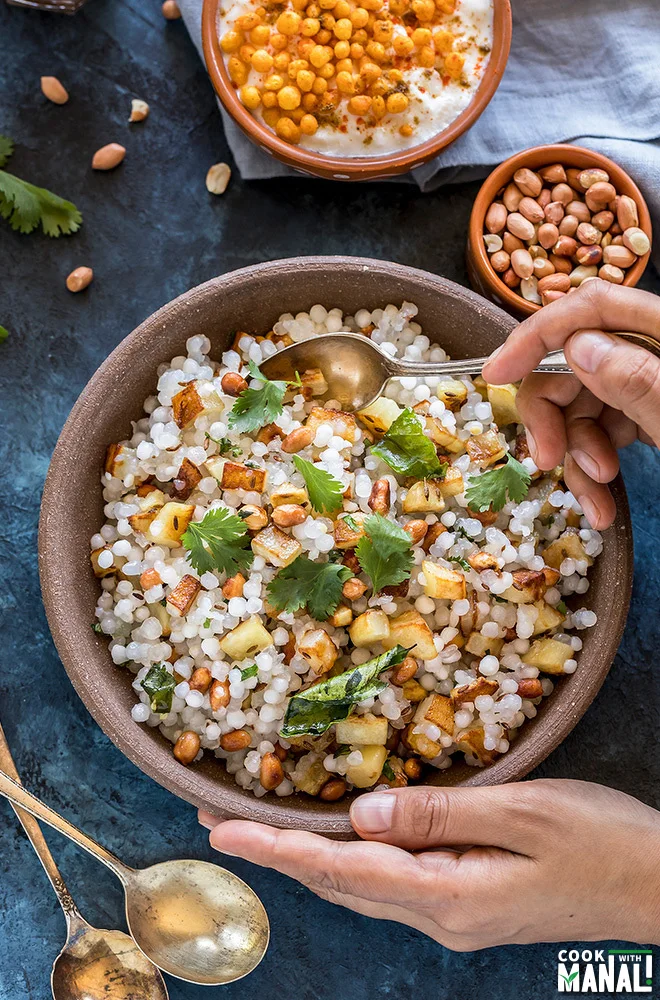
Sabudana khichdi is a savoury Indian dish of soaked tapioca pearls cooked with potato, peanuts and warming spices. This version is a quick, flavourful meal when the pearls are soaked and drained properly, helping them stay separate rather than sticky.
Ingredients
- 180 gsabudana (sago pearls)
- 240 ml (1 cup; 8 oz)water
- 15 ml (1 tablespoon)oil of choice, such as avocado oil
- ½ teaspooncumin seeds
- 1 medium potato (200 g), diced smallpotato
- 2 tablespoonsraw peanuts
- 1–2green chillies, chopped, to taste
- 6–7curry leaves
- ½ teaspoon, or to tastesalt (use sendha namak if making this for a fast)
- ½ teaspoon (optional)sugar
- Juice of ½ lemonlemon
- 1 tablespoonfresh coriander, chopped
Instructions
- 1
Rinse the pearls
Rinse the sabudana under water until the water runs clear, washing away the excess surface starch.
- 2
Add the water
Put the rinsed sabudana in a large bowl and add exactly 1 cup (240 ml) water.
- 3
Drain the sabudana
After soaking, the pearls should have absorbed the water. Drain them in a colander to remove any excess.
- 4
Check the texture
Press a pearl between your thumb and index finger. It should squash easily; set the pearls aside.
- 5
Sizzle the cumin
Heat the oil in a pan over medium heat. When hot, add the cumin seeds and let them sizzle for a few seconds.
- 6
Cook the potato
Add the diced potato and cook for 3–4 minutes, stirring often, until almost cooked. Small dice helps it cook quickly.
- 7
Cook the peanuts
Add the raw peanuts and cook for another 2–3 minutes.
- 8
Add the aromatics
Stir in the green chilli and curry leaves, then cook for 1 minute.
- 9
Mix in sabudana
Add the drained sabudana with the salt and sugar, if using. Mix until everything is well combined.
- 10
Cook until translucent
Cook for a few minutes, stirring once or twice, until most of the pearls turn translucent. Avoid cooking for too long, or they can become sticky.
- 11
Finish with lemon
Take the pan off the heat. Add the lemon juice and coriander, then toss to combine.
- 12
Serve it hot
Serve the sabudana khichdi hot with chilled yoghurt.
What is sabudana khichdi?
Sabudana khichdi is a savoury Indian preparation of tapioca pearls, often called sago, cooked with potato, peanuts and spices. It is commonly made during fasting periods such as Navratri, with ingredients and seasoning adapted to suit the fast.
This version pairs the soft pearls with small pieces of potato and crunchy peanuts. Rinsing, soaking with a measured amount of water and draining before cooking are the keys to keeping the finished dish from clumping.
Nutrition and macros by portion
The nutrition label shows one serving as written: 381 calories, 2g protein, 63g carbs, 12g fat.
| Portion | Adjustment | kcal | Protein | Carbs | Fat |
|---|---|---|---|---|---|
| Lighter | Use less oil | 267 kcal | 1g | 44g | 8g |
| This serving | As written | 381 kcal | 2g | 63g | 12g |
| Hungry | Serve a larger portion | 572 kcal | 3g | 95g | 18g |
The potato and sabudana provide most of the carbohydrates, while the oil and peanuts contribute most of the fat. The peanuts also add some protein, though the dish is relatively low in protein overall; serve it with yoghurt and add vegetables alongside for a more balanced plate.
Preparing the sabudana
Rinsing: Wash the pearls until the water runs clear to remove loose starch from their surfaces. Use the specified 240 ml water for soaking rather than adding extra by eye.
Checking: A properly soaked pearl should squash easily between your fingers. Drain any leftover water in a colander before the pearls go into the pan.
Building the base
Potato: Dice it small so it can become almost tender in the brief cooking time. Stir often as it cooks in the oil.
Peanuts and aromatics: Give the peanuts 2–3 minutes in the pan, then add the chilli and curry leaves for their shorter 1-minute cooking time. This sequence lets each ingredient cook without leaving the leaves and chilli in the pan for too long.
Getting the texture right
Pearls: Once the drained sabudana is added, mix it thoroughly with the potato and seasonings. Cook only until most of the pearls look translucent, stirring once or twice.
Heat: The recipe calls for medium heat while cooking the cumin and potato. Once the pearls are in, keep an eye on the pan and avoid extended cooking, which can make the mixture sticky.
Seasoning and serving
Finish: Lemon juice and fresh coriander go in after the pan comes off the heat. Toss to distribute the lemon without cooking away its fresh flavour.
To serve: The khichdi is best served hot, with chilled yoghurt alongside. The cool, creamy accompaniment contrasts with the warm, spiced dish.
Timing the dish
Pan cooking is brief, but the sabudana needs to soak before you start. The method describes soaking until the pearls have absorbed the water, then draining them; plan for that separately from the stated 15-minute total time.
Once the pearls are ready, prepare the potato and other ingredients before heating the pan. That makes it easier to follow the short cooking stages in order.
Recipe notes & tips
- Rinse the sabudana until the water is clear before soaking.
- Measure the soaking water rather than adding extra.
- Dice the potato small so it cooks quickly and evenly.
- Drain the pearls well before adding them to the pan.
- Take the pan off the heat as soon as most pearls turn translucent.
Variations
- Adjust the chilli: Use one chilli for gentler heat or two for more punch.
- Skip the sugar: Leave it out if you prefer the dish without a touch of sweetness.
- Change the oil: Use another cooking oil in place of avocado oil.
- Use fasting salt: Choose sendha namak when preparing the dish for a fast.
- Serve with yoghurt: Add chilled yoghurt at the table for a cool contrast.
Common mistakes to avoid
- Adding extra soaking water: Measure the stated 240 ml so the pearls are not left waterlogged.
- Skipping the rinse: Rinse until the water runs clear to wash off excess surface starch.
- Leaving excess water: Drain the soaked pearls in a colander before cooking.
- Cutting large potato pieces: Dice the potato small so it can cook in the short allotted time.
- Overcooking the pearls: Stop when most are translucent to help prevent a sticky result.
How to store
Cool leftovers promptly and store them in an airtight container in the fridge for up to 2 days. Reheat in a pan over low heat, stirring gently until hot; add a small splash of water if the mixture seems dry.
Frequently asked questions
How do I know when the sabudana is ready to cook?
Press a pearl between your thumb and index finger. It should squash easily; drain the pearls in a colander before using.
Why has my sabudana khichdi turned sticky?
Excess surface starch, extra soaking water or cooking the pearls for too long can contribute to a sticky texture. Rinse until the water runs clear, measure the soaking water and stop cooking when most pearls are translucent.
Can I make this without sugar?
Yes. The sugar is optional, so you can leave it out.
Can I adjust the heat?
Yes. Use one green chilli for less heat or two for more, adjusting to your taste.
What can I serve with sabudana khichdi?
Serve it hot with chilled yoghurt, as suggested in the recipe.
Cook it from the original
This recipe comes from cookwithmanali.com. Their page has the author’s own photos, notes and tips — the best place to cook it from.
Open the recipe on cookwithmanali.com