
Mexican Café con Leche
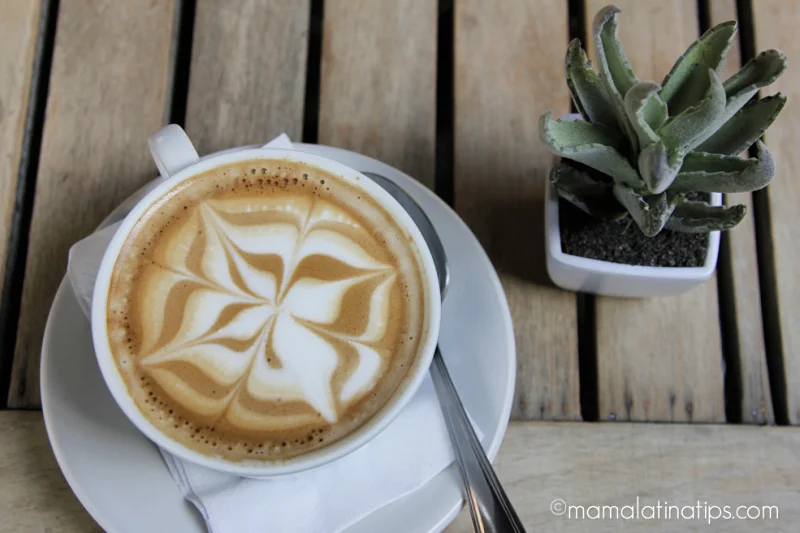
Mexican café con leche pairs strong brewed coffee with warmed milk and evaporated milk for a smooth, creamy mug. Make it for a simple breakfast or an afternoon coffee, and adjust the sweetness to suit your taste.
Ingredients
- 480 ml (2 cups)water
- 4 tablespoons (about 20 g)ground Mexican coffee
- 240 ml (1 cup)evaporated milk
- 240 ml (1 cup)milk of your preference
- 1.25 ml (¼ teaspoon), optionalvanilla extract
- to tastesugar or sweetener of your choice
- to taste, optionalground cinnamon, for decoration
Instructions
- 1
Heat the water
Warm the water until very hot but not boiling. If using a coffee machine, brew two cups of your preferred coffee instead.
- 2
Steep the coffee
Put the ground coffee in a French press and pour over the hot water. Set it aside to steep.
- 3
Warm the milk
Heat the evaporated milk and your chosen milk together. You can use just one type of milk, though evaporated milk adds extra creaminess. Stir in the vanilla if using.
- 4
Fill each mug
Pour 120 ml (½ cup) of coffee into each mug. Add milk, sweeten to taste and finish with a little ground cinnamon if you like.
- 5
Froth if desired
For a foamy finish, froth the milk with a milk frother.
What is café con leche?
Café con leche means coffee with milk, a familiar style of coffee served across Spanish-speaking countries, including Mexico. This version combines brewed coffee with both evaporated milk and regular milk.
Evaporated milk gives the drink a richer, silkier body, while the brewed coffee keeps it firmly coffee-led. Sweetness and cinnamon are left to personal preference.
Nutrition and macros by portion
The nutrition label shows one serving as written: 117 calories, 6g protein, 10g carbs, 6g fat.
| Portion | Adjustment | kcal | Protein | Carbs | Fat |
|---|---|---|---|---|---|
| Lighter | Use less evaporated milk | 82 kcal | 4g | 7g | 4g |
| This serving | As written | 117 kcal | 6g | 10g | 6g |
| Hungry | Serve with a pastry | 176 kcal | 9g | 14g | 9g |
The coffee contributes very little energy, while most of the carbohydrates come from the milk and any added sugar. The evaporated milk and regular milk provide most of the fat and protein. Pair a mug with a piece of fruit or a savoury breakfast item for a more rounded plate.
Why use two kinds of milk?
Evaporated milk: Its concentrated, cooked flavour makes the drink especially creamy without needing to use it on its own.
Your chosen milk: Combining it with evaporated milk softens the richness. Use the variety you normally enjoy, or use one type of milk for both measures.
Get the coffee temperature right
Hot water: Bring it to a very hot temperature, but stop short of boiling, as directed in the method. Pour it over the grounds in the French press and leave the coffee to steep.
Coffee machine: If you prefer machine-brewed coffee, make two cups and use that in place of the French-press coffee.
Warm the milk gently
Milk mixture: Heat the evaporated milk and regular milk until warm, without letting them boil. This keeps the milk easy to pour and pleasant to drink.
Vanilla: Add it while warming the milk if you want a subtle flavour. It is optional, so the coffee and milk can remain the main flavours.
Build each mug to taste
Coffee first: Measure 120 ml (½ cup) of brewed coffee into each mug, then add the warm milk. This lets you tailor the balance in each serving.
Finish: Stir in sugar or your preferred sweetener, then add cinnamon if desired. Froth the milk for a foamy top.
When to serve it
Serve the drink as soon as it is assembled, while the coffee and milk are hot and the foam is fresh. It goes well with breakfast pastries, toast or a small sweet snack.
For a less rich cup, add a little less of the milk mixture; for a creamier one, use more. Keep any leftover coffee and milk separate if you expect to serve them later.
Recipe notes & tips
- Avoid boiling the water before pouring it over the coffee grounds.
- Warm the two milks together so they are ready to add to the mugs.
- Brew the coffee in a French press, or use two cups of machine-brewed coffee.
- Add sweetener a little at a time and taste as you go.
- Froth the milk just before serving for the freshest foam.
- Dust cinnamon lightly over each mug so it does not overwhelm the coffee.
Variations
- Single-milk version: Use 480 ml of one milk instead of combining regular and evaporated milk.
- Vanilla finish: Add the optional vanilla to the milk as it warms.
- Cinnamon aroma: Stir a small pinch of cinnamon into the milk and still use a light dusting on top if desired.
- Foamy mug: Froth the warmed milk before adding it to the coffee.
- Unsweetened cup: Leave out the sugar and let each person sweeten their own mug.
Common mistakes to avoid
- Boiling the water: It goes beyond the method's target; heat it until very hot but not boiling.
- Using too much coffee: Measure the stated 4 tablespoons so the batch keeps its intended balance.
- Boiling the milk: Heat it gently and stop once it is warm.
- Sweetening the whole batch: Sweeten individual mugs so everyone can adjust their own.
- Adding too much cinnamon: Start with a small dash and add more only if wanted.
How to store
For the best flavour, serve the coffee and warmed milk straight away. Refrigerate any leftovers separately in covered containers and use within 2 days; reheat the milk gently and the coffee until hot before combining.
Frequently asked questions
Can I make this without a French press?
Yes. The method suggests brewing two cups of your preferred coffee in a coffee machine instead.
Can I use just one type of milk?
Yes. The recipe allows for using one type of milk, although evaporated milk is included for extra creaminess.
Does the coffee need to boil?
No. Heat the water until it is very hot but not boiling before pouring it over the grounds.
Is vanilla essential?
No, it is optional. Leave it out if you prefer the straightforward flavour of coffee and milk.
How do I make the drink foamy?
Use a milk frother on the warmed milk, as suggested in the method.
How much coffee goes in each mug?
The method calls for 120 ml (½ cup) of brewed coffee per mug, with milk added to taste.
Cook it from the original
This recipe comes from mamalatinatips.com. Their page has the author’s own photos, notes and tips — the best place to cook it from.
Open the recipe on mamalatinatips.com