
Instant Pot Vegetable Korma
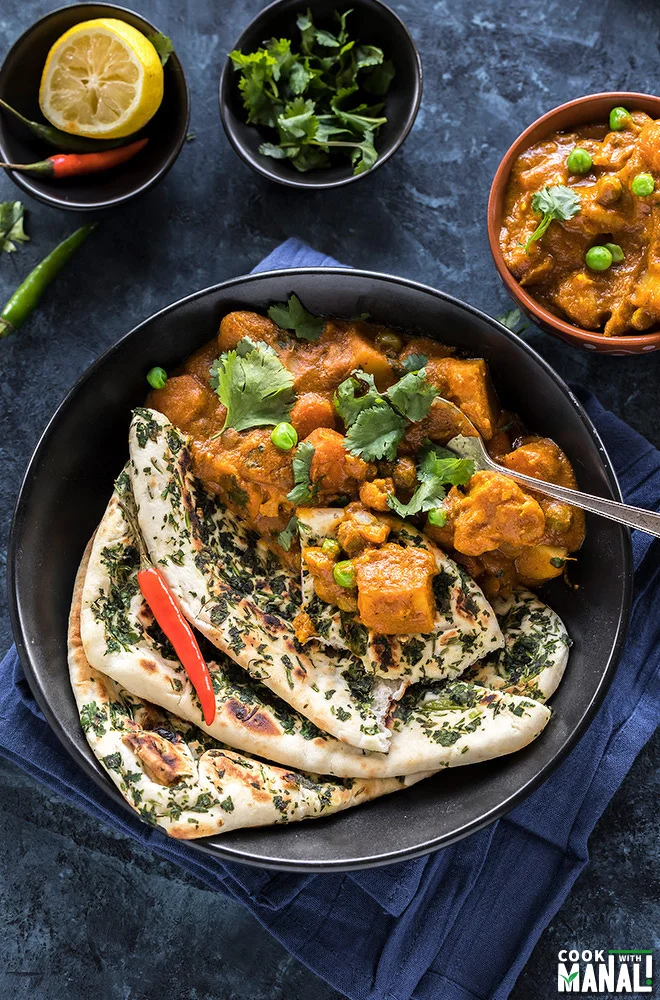
This Instant Pot vegetable korma is a creamy, gently spiced curry with potatoes, cauliflower, carrots and peas. It makes a comforting vegan meal to serve with naan or rice, without a long simmer on the hob.
Ingredients
- 1 medium (155 g)sweet onion, roughly chopped
- 15raw cashews
- 1 inch (12 g)ginger
- 4 large cloves (18 g)garlic
- 2 tablespoons (30 ml)oil of choice
- 6–7whole black peppercorns
- 4green cardamom pods
- 4whole cloves
- 1bay leaf
- 120 ml (½ cup)canned tomato purée, or purée of 2 large tomatoes
- 2 teaspoonsground coriander
- 1 teaspoongaram masala
- ¼ teaspoon, or to tastered chilli powder
- ½ teaspoonground turmeric
- ½–¾ teaspoon, to tastesalt
- 120 ml (½ cup; 4 oz)water
- 240 ml (1 cup; 8 oz)coconut milk, full-fat or light, from a can
- ½ teaspoonsugar
- 1 large (175 g), cut into 2.5 cm piecespotato
- 130 g (1 cup)large cauliflower florets
- 2 medium (110 g), cut into roundscarrots
- 35 g (¼ cup), soaked in warm water for 5 minutesfrozen green peas
- A pinchground cardamom
- Juice of ½lemon
- 2 tablespoonschopped fresh coriander, for garnish
Instructions
- 1
Blend the paste
Put the onion, cashews, ginger and garlic in a blender. Blend to a fine paste and set aside.
- 2
Heat the spices
Press the Instant Pot’s sauté button. When it displays hot, add the oil, peppercorns, cardamom pods, cloves and bay leaf. Sauté for a few seconds, until fragrant.
- 3
Cook the paste
Stir in the onion and cashew paste and cook for 3–4 minutes, stirring continuously so it does not stick to the bottom of the pot.
- 4
Add tomato purée
Mix in the tomato purée and cook for another 2 minutes.
- 5
Season the base
Add the ground coriander, garam masala, chilli powder, turmeric and salt. Stir to combine, then pour in 120 ml (½ cup) water.
- 6
Add coconut milk
Pour in the coconut milk and add the sugar, then mix well. Scrape the bottom of the pot with a spatula to remove any stuck bits.
- 7
Start the potatoes
Add the diced potatoes and mix. Cover the pot with a glass lid and cook for 3 minutes so the potatoes begin to soften before pressure cooking.
- 8
Add remaining vegetables
After 3 minutes, add the cauliflower, carrots and green peas. If your Instant Pot displays a BURN message, add a further 60–120 ml (¼–½ cup) water.
- 9
Pressure cook
Stir, sprinkle the ground cardamom over the top and close the Instant Pot with its lid. Set the pressure valve to sealing and cook at low pressure for 3 minutes.
- 10
Release pressure
Quick-release the pressure. Open the pot and stir the vegetables, then add the lemon juice and chopped coriander.
- 11
Serve the korma
Serve the vegetable korma with naan or rice.
What is vegetable korma?
Korma is a South Asian curry style known for a richly flavoured, often creamy sauce. This version takes inspiration from Indian korma and uses coconut milk, cashews and a blended onion base for its smooth texture.
The Instant Pot makes it possible to cook the vegetables in a short pressure-cooking stage. Giving the potatoes a brief head start helps them cook through while the other vegetables stay more intact.
Nutrition and macros by portion
The nutrition label shows one serving as written: 248 calories, 4g protein, 14g carbs, 21g fat.
| Portion | Adjustment | kcal | Protein | Carbs | Fat |
|---|---|---|---|---|---|
| Lighter | Use light coconut milk | 174 kcal | 3g | 10g | 15g |
| This serving | As written | 248 kcal | 4g | 14g | 21g |
| Hungry | Serve with extra rice | 372 kcal | 6g | 21g | 32g |
The potato, peas and vegetables supply most of the carbohydrates, while the oil, cashews and coconut milk contribute much of the fat. Protein comes in smaller amounts from the cashews, peas and vegetables. To balance the plate, serve a moderate portion of rice or naan alongside the korma and add a fresh vegetable side.
Building the curry base
Blended paste: Onion, cashews, ginger and garlic form the savoury foundation. Stir it frequently as it cooks, since the thick paste can catch on the base of the pot.
Whole spices: Peppercorns, cardamom, cloves and bay leaf briefly fry in the oil to release their aroma. Tomato purée and ground spices then round out the sauce.
Why the potatoes go in first
Potato timing: Potatoes are denser than the cauliflower, carrots and peas, so they get 3 minutes of cooking before the remaining vegetables are added. This helps the vegetables finish at a more even texture.
Cut size: Keep the potato pieces around 2.5 cm, as directed, and cut the carrots into rounds. Pieces that differ greatly in size may not cook at the same rate.
Preventing a burn warning
Scrape the base: After adding the coconut milk, run a spatula over the bottom of the pot until no browned or stuck bits remain. This is an important part of preparing the pot for pressure cooking.
Adjust the liquid: Add the extra 60–120 ml water if the Instant Pot gives a BURN message. The recipe allows for this addition as needed.
Checking the finished texture
Vegetables: After the quick release, stir gently and check that the potato is tender and the other vegetables have softened without losing all their shape. If they need more time, the recipe does not specify an additional cooking step, so check before making any changes.
Sauce: The coconut milk and cashew paste make the sauce creamy, while lemon juice added at the end brings a fresh, tangy note. Taste and adjust the salt or chilli to suit your preference.
Serving ideas
Rice: Serve with plain rice to soak up the sauce, or choose naan for scooping. A simple side of fresh vegetables can add contrast to the creamy curry.
Finish: Add the lemon juice and fresh coriander after pressure cooking, as instructed, to keep their flavour bright.
Recipe notes & tips
- Blend the onion, cashews, ginger and garlic until the paste is fine so it incorporates smoothly into the sauce.
- Keep stirring the paste as it cooks to stop it sticking to the pot.
- Scrape the bottom thoroughly after adding the coconut milk before closing the pressure cooker.
- Cut the potato into even 2.5 cm pieces so it cooks more consistently.
- Soak the frozen peas in warm water for 5 minutes before adding them.
- Add the lemon juice and coriander after pressure cooking for a fresh finish.
Variations
- Adjust the heat: Change the red chilli powder to suit your preferred level of spice.
- Use light coconut milk: Choose the light canned option for a less rich sauce.
- Make tomato purée: Purée 2 large tomatoes if you do not have canned tomato purée.
- Change the vegetables: Replace one of the listed vegetables with another quick-cooking vegetable, keeping in mind it may cook differently.
- Serve with naan: Pair the curry with naan instead of rice to scoop up the sauce.
Common mistakes to avoid
- Letting the paste catch: Stir continuously for the full 3–4 minutes so it does not stick to the pot.
- Skipping the scrape: Scrape the base after adding coconut milk to remove stuck or browned bits before pressure cooking.
- Adding every vegetable together: Give the potatoes their 3-minute head start before adding the cauliflower, carrots and peas.
- Using uneven potato pieces: Cut them into similar 2.5 cm pieces to help them cook evenly.
- Ignoring a BURN message: Add 60–120 ml water if the Instant Pot displays the warning.
How to store
Refrigerate leftovers in a covered container and use within 3 days. Reheat gently in a saucepan or microwave until piping hot, stirring and adding a little water if the sauce has thickened.
Frequently asked questions
Can I use light coconut milk?
Yes. The recipe allows for either full-fat or light canned coconut milk; the full-fat version will give a richer sauce.
Why do the potatoes cook before the other vegetables?
They take longer to soften than the cauliflower, carrots and peas. The 3-minute head start helps the vegetables finish at a more even texture.
What should I do if the Instant Pot shows BURN?
Add a further 60–120 ml (¼–½ cup) water, as specified in the recipe.
Can I make this without a blender?
The recipe relies on blending the onion, cashews, ginger and garlic into a fine paste. A food processor may work if it can blend the small quantity smoothly.
What can I serve with vegetable korma?
Serve it with naan or rice, as suggested in the recipe.
When should I add the lemon juice and coriander?
Add both after releasing the pressure and stirring the vegetables.
Cook it from the original
This recipe comes from cookwithmanali.com. Their page has the author’s own photos, notes and tips — the best place to cook it from.
Open the recipe on cookwithmanali.com