
Sticky Date Pudding with Butterscotch Sauce Recipe
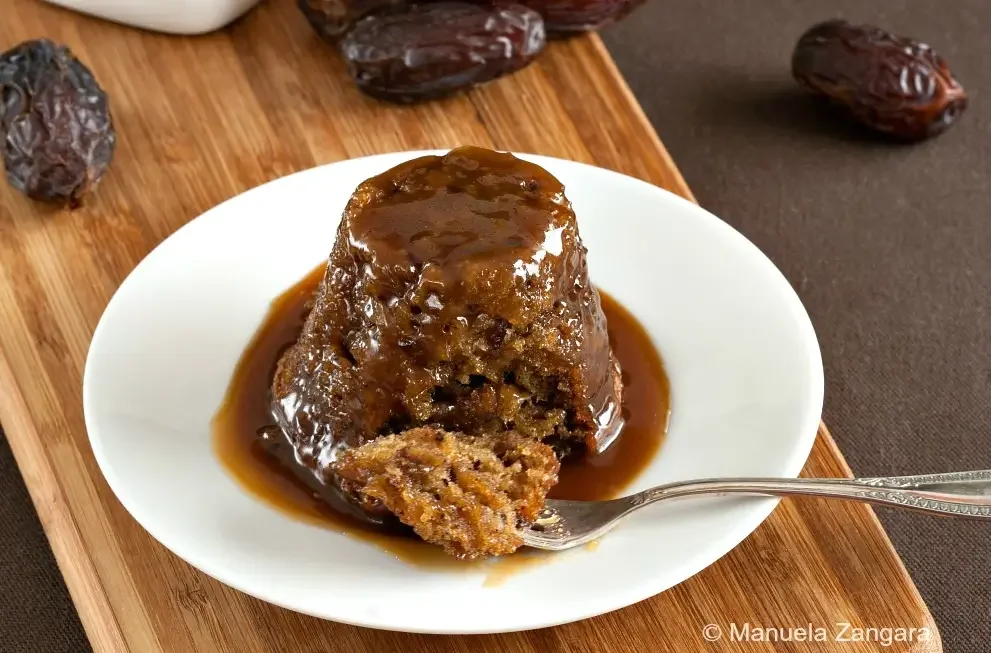
Sticky date pudding is a soft, tender baked dessert served warm with a rich butterscotch sauce. Individual puddings make it easy to serve straight from the oven, with the sauce adding buttery caramel flavour.
Ingredients
- 180 gdates, pitted and roughly chopped
- 310 mlwater
- 1/2 tspbicarbonate of soda
- 165 gbrown sugar, firmly packed
- 60 gbutter, softened and chopped
- 2eggs
- 150 gself-raising flour, sifted
- 50 gbutter
- 220 gbrown sugar
- 250 mlcream
Instructions
- 1
Soften the dates
Put the dates and water in a saucepan and bring to the boil over high heat. Take the pan off the heat, stir in the bicarbonate of soda until the dates begin to soften, then leave to cool, stirring occasionally.
- 2
Beat butter and sugar
Using a hand mixer, beat the softened butter and 165 g brown sugar until creamy. Add the eggs one at a time, beating well after each addition until the mixture is light and fluffy.
- 3
Make the batter
Stir the cooled date mixture into the butter mixture. Gently fold in the sifted flour until the batter is smooth.
- 4
Fill the moulds
Divide the mixture evenly between eight moulds, filling each about two-thirds full.
- 5
Prepare the water bath
Set the moulds in a baking tray. Carefully pour hot water into the tray until it reaches one-third of the way up the sides of the moulds.
- 6
Bake the puddings
Bake in a preheated oven at 180°C (160°C fan) for about 40 minutes, until golden and a skewer inserted in the centre comes out clean.
- 7
Make the sauce
Put the 50 g butter, 220 g brown sugar, cream and vanilla in a small saucepan. Cook over low heat until the butter has melted and the sugar has dissolved.
- 8
Simmer until thick
Bring the sauce to a gentle boil, then lower the heat and simmer for 5–6 minutes, until slightly thickened.
- 9
Serve with sauce
Turn each hot pudding out onto a serving plate and spoon the warm butterscotch sauce over the top.
What is sticky date pudding?
Sticky date pudding is a familiar Australian dessert: a moist, date-rich sponge served with a warm butterscotch sauce. It is often enjoyed as a comforting hot pudding rather than a chilled cake.
Date mixture: simmering chopped dates softens them and helps distribute their flavour through the batter. Baking the individual portions in a water bath supports a tender texture.
Nutrition and macros by portion
The nutrition label shows one serving as written: 546 calories, 5g protein, 81g carbs, 23g fat.
| Portion | Adjustment | kcal | Protein | Carbs | Fat |
|---|---|---|---|---|---|
| Lighter | Smaller pudding, less sauce | 382 kcal | 3g | 57g | 16g |
| This serving | As written | 546 kcal | 5g | 81g | 23g |
| Hungry | Extra pudding and sauce | 819 kcal | 7g | 122g | 35g |
The dates, brown sugar and flour provide most of the carbohydrates, while butter and cream account for much of the fat. Eggs add some protein, though this is still a dessert rather than a protein-focused dish. Balance a serving with fresh fruit, or serve a smaller pudding after a meal with a protein-rich main.
Why the dates matter
Date mixture: let it cool before stirring it into the beaten butter and eggs, so it does not warm the mixture. The bicarbonate of soda is stirred into the hot dates to help them soften.
Getting a light sponge
Butter and sugar: beat them until creamy, then add the eggs one at a time and beat well after each addition. This builds a light base for the pudding.
Flour: fold it in gently once the dates are mixed through. Stop when no dry flour remains; overmixing can make the sponge less tender.
Using a water bath
Hot water: pour it carefully into the baking tray until it reaches one-third of the way up the moulds. The water bath surrounds the portions during baking and helps them cook gently.
Moulds: fill each about two-thirds full to leave room for the batter to rise. Keep the moulds level in the tray for even baking.
Checking when they are done
Oven: bake at 180°C, or 160°C fan, for about 40 minutes. Since mould sizes and ovens can vary, begin checking towards the end of the stated baking time.
Skewer: insert it into the centre of a pudding. It should come out clean, and the tops should be golden.
Making the butterscotch sauce
Low heat: warm the butter, brown sugar, cream and vanilla until the butter melts and the sugar dissolves. Stir as needed to help the mixture combine.
Gentle simmer: after bringing the sauce to a gentle boil, lower the heat and cook for 5–6 minutes, until it thickens slightly. It will be easier to spoon while warm.
How to serve the puddings
Serve the puddings hot, turned out onto individual plates, with the warm sauce spooned over each one. A little extra sauce at the table lets everyone add more if they wish.
Pairing: fresh berries or sliced fruit can add a bright contrast to the rich pudding. For a more classic dessert plate, serve it with cream or ice cream.
Recipe notes & tips
- Cool the date mixture before combining it with the butter, sugar and eggs.
- Add the eggs separately and beat well after each addition.
- Fold the flour in gently to avoid overworking the batter.
- Pour the hot water into the tray carefully to avoid splashing into the moulds.
- Check the centre of a pudding with a skewer near the end of the baking time.
- Serve the sauce warm so it is easy to spoon over the puddings.
Variations
- Add chopped nuts: fold a small handful into the batter for extra crunch.
- Use a baking dish: bake the batter in one dish instead of individual moulds, checking the centre for doneness.
- Add spice: mix a little ground cinnamon into the dry flour for a warm note.
- Serve with fruit: add fresh berries or sliced pear alongside each portion.
- Make it extra saucy: serve any remaining warm butterscotch sauce at the table.
Common mistakes to avoid
- Hot date mixture: cool it before mixing it into the eggs so the batter stays well combined.
- Overfilled moulds: leave about one-third of each mould empty to allow the puddings to rise.
- Dry sponge: check the centre with a skewer and remove the puddings once it comes out clean.
- Boiling sauce too hard: keep it at a gentle simmer after it reaches the boil to prevent scorching.
- Skipping the water bath: add hot water to the tray to help the puddings bake gently.
- Turning out too soon: invert the puddings while hot, as directed, and handle the moulds carefully.
How to store
Cool leftovers, cover and refrigerate for up to 3 days. Reheat individual puddings until hot in the microwave, and warm the sauce gently in a saucepan or microwave, stirring before serving.
Frequently asked questions
Can I make the puddings ahead?
Yes. Bake them ahead and refrigerate once cooled, then reheat until hot before serving. Warm the sauce separately.
How do I know the puddings are cooked?
They should be golden, and a skewer inserted into the centre should come out clean. The recipe gives about 40 minutes as a guide.
Can I bake this as one large pudding?
The method is written for eight moulds, so a single dish will need a different baking time. Check the centre with a skewer and bake until it comes out clean.
Why is there a water bath?
The moulds sit in hot water that reaches one-third of the way up their sides. This lets the puddings bake gently.
Can I make the butterscotch sauce in advance?
Yes. Refrigerate it in a covered container and reheat gently, stirring until smooth and pourable.
What can I serve with sticky date pudding?
Serve it with the warm butterscotch sauce, or add fresh fruit, cream or ice cream.
Cook it from the original
This recipe comes from manusmenu.com. Their page has the author’s own photos, notes and tips — the best place to cook it from.
Open the recipe on manusmenu.com