
Godhuma Rava Upma | Andhra Style Wheat Rava Upma
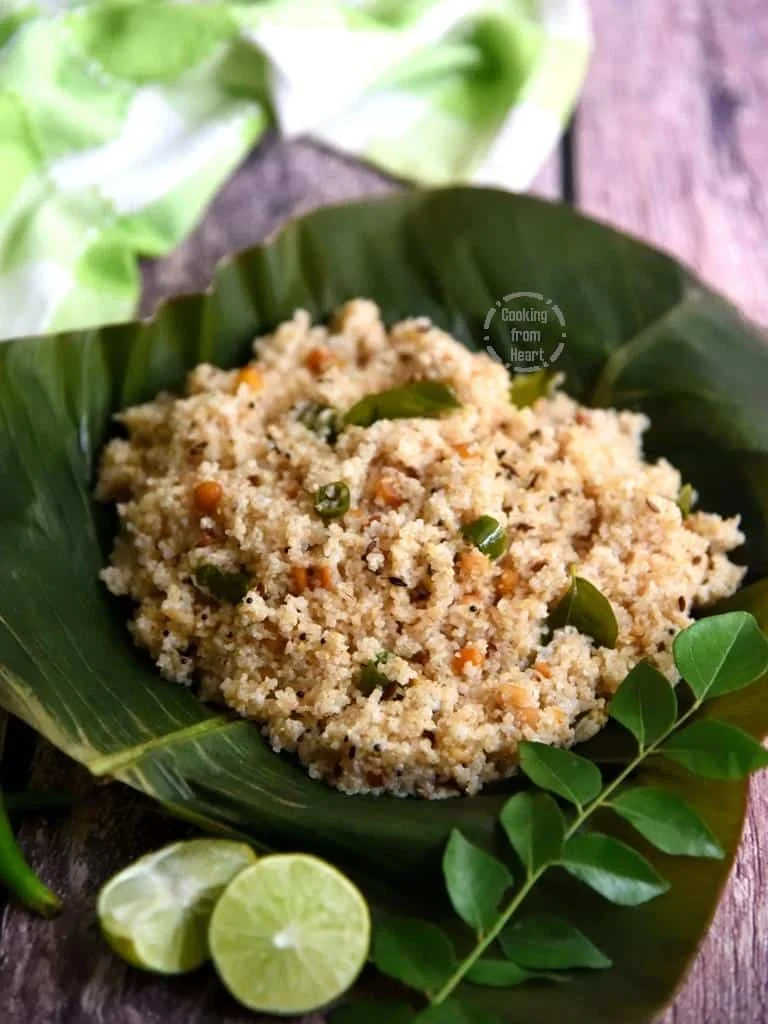
Godhuma rava upma is a savoury Andhra breakfast made with fine wheat rava, water and a fragrant tempering of spices, lentils, ginger and chilli. This straightforward one-pan version is ready in about 25 minutes and works for breakfast or a light dinner.
Ingredients
- 160 g (1 cup)fine godhuma rava (wheat rava)
- 720 ml (3 cups)water
- 15 ml (1 tbsp)peanut oil or another edible oil
- 1/2 tspmustard seeds
- 1/2 tspcumin seeds
- 1.5 tspurad dal
- 2 tspchana dal
- 1/4 tspasafoetida
- 1–2green chillies, finely chopped
- 2.5 cm (1 inch)piece of ginger, finely chopped
- A fewfresh curry leaves
- As neededsalt
- 1/2 wedge (optional)lemon
Instructions
- 1
Fry the tempering
Heat 15 ml (1 tbsp) peanut oil in a heavy-based or cast-iron pan. Add the mustard seeds, cumin seeds, urad dal and chana dal, and fry until the dals turn golden brown.
- 2
Add aromatics
Stir in the asafoetida, chopped green chillies and chopped ginger. Fry for 1 minute.
- 3
Add water
Pour in 720 ml (3 cups) water and add salt as needed. Cook over a high or medium heat.
- 4
Bring to boil
When the water reaches a rolling boil, which should take a few minutes, reduce the heat to low.
- 5
Stir in rava
Add 160 g (1 cup) wheat rava and mix quickly to prevent lumps. The rava does not need to be roasted first.
- 6
Cook until absorbed
Cover and cook over a low heat for about 7–9 minutes, until the rava looks cooked and has absorbed all the water. Remove the pan from the heat.
- 7
Rest and fluff
Leave the pan covered for 5–7 minutes, then gently fluff the upma.
- 8
Add lemon
Squeeze half a lemon wedge over the top before serving, if using.
- 9
Serve hot
Serve hot with coconut chutney, chutney powder or sugar, or enjoy it on its own.
What is godhuma rava upma?
Godhuma rava upma is a savoury dish from Andhra cuisine made with coarsely milled wheat, known as godhuma rava, rather than the semolina commonly used for other upmas. It is eaten for breakfast or as a simple meal.
This version builds flavour with a quick tempering of mustard, cumin and dals, then cooks the rava directly in seasoned water. That keeps the method simple and lets the wheat take on the aromatic flavours.
Nutrition and macros by portion
The nutrition label shows one serving as written: 185 calories, 6g protein, 34g carbs, 4g fat.
| Portion | Adjustment | kcal | Protein | Carbs | Fat |
|---|---|---|---|---|---|
| Lighter | Use less oil | 130 kcal | 4g | 24g | 3g |
| This serving | As written | 185 kcal | 6g | 34g | 4g |
| Hungry | Serve a larger portion | 278 kcal | 9g | 51g | 6g |
Wheat rava provides most of the carbohydrates and some of the protein, while the oil and dals contribute most of the fat; the dals also add protein. Pair a serving with a vegetable-rich side or chutney to make the plate more varied.
Choosing the rava and water
Fine rava: The recipe specifies fine wheat rava, which cooks more quickly than a coarse grind. Keep the stated amount of water and rava together for the intended soft, fluffy result.
No pre-roasting: The method adds the rava without roasting it first. Measure it before starting so it can be stirred in promptly once the water boils.
Build the flavour in the pan
Dals and seeds: Fry the urad dal and chana dal until golden brown, as directed; this gives the tempering its toasted notes. Add the asafoetida, chillies and ginger afterwards and fry them briefly for 1 minute.
Chilli and ginger: One or two green chillies give you a choice of heat level. Chop the ginger and chillies finely so they distribute through the dish.
Stir in the rava smoothly
Boiling water: Wait for a rolling boil, then lower the heat before adding the rava. This change in heat makes the mixture easier to control as it thickens.
Quick mixing: Add the rava and stir promptly to break up lumps. Once it is evenly mixed, cover the pan and let the low heat do the cooking.
Check the texture and timing
Doneness: After 7–9 minutes covered on low heat, the rava should look cooked and the water should be absorbed. If it still looks wet, follow the recipe’s doneness cues before taking it off the heat.
Resting: Keep the pan covered for another 5–7 minutes off the heat. Fluff gently afterwards to separate the grains without mashing them.
Serving ideas
Traditional accompaniments: Serve the upma hot with coconut chutney or chutney powder, or follow the recipe’s suggestion of sugar. It is also suitable on its own.
Finishing touch: A squeeze of lemon is optional and adds a bright, tart note. Add it just before serving.
Recipe notes & tips
- Measure the water and rava before you start cooking so the rava can go straight into the boiling water.
- Use a heavy-based or cast-iron pan as specified to help the mixture cook evenly.
- Watch the dals closely while frying and add the aromatics once they turn golden brown.
- Stir the rava in quickly to help prevent lumps from forming.
- Keep the lid on during cooking and resting so the rava can finish absorbing the water.
- Fluff gently after resting to keep the cooked rava from becoming mashed.
Variations
- Adjust the heat: Use one green chilli for a milder version or two for more heat.
- Add lemon: Squeeze the optional lemon over the upma just before serving for a sharper finish.
- Try another oil: Use another edible oil instead of peanut oil, as the recipe allows.
- Serve with coconut chutney: Add the suggested chutney on the side for a savoury accompaniment.
- Serve with sugar: Follow the recipe’s alternative serving suggestion for a sweet contrast.
Common mistakes to avoid
- Adding rava too slowly: Stir it in promptly so it is less likely to clump.
- Skipping the rolling boil: Wait until the water is boiling before reducing the heat and adding the rava.
- Cooking on high after adding rava: Keep the heat low and cover the pan for the stated 7–9 minutes.
- Lifting the lid repeatedly: Leave the pan covered while the rava cooks and rests.
- Fluffing too roughly: Gently lift and separate the rava after its 5–7 minute rest.
How to store
Cool leftovers and refrigerate them in a covered container for up to 3 days. Reheat gently in a pan or microwave, adding a small splash of water if the upma has become dry.
Frequently asked questions
Do I need to roast the wheat rava first?
No. This recipe adds the wheat rava without roasting it first.
How can I stop the upma from becoming lumpy?
Add the rava to the boiling water and mix it quickly. Stir until it is evenly combined before covering the pan.
How do I know when the upma is cooked?
After 7–9 minutes covered on low heat, the rava should look cooked and the water should be absorbed. Rest it covered for another 5–7 minutes off the heat.
Can I make the upma less spicy?
Use one green chilli rather than two, or omit the chillies if you prefer no chilli heat.
Is the lemon essential?
No. The recipe lists lemon as optional, so you can leave it out.
What can I serve with wheat rava upma?
The suggested options are coconut chutney, chutney powder or sugar. It can also be served on its own.
Cook it from the original
This recipe comes from cookingfromheart.com. Their page has the author’s own photos, notes and tips — the best place to cook it from.
Open the recipe on cookingfromheart.com