
Bread and condensed milk pudding
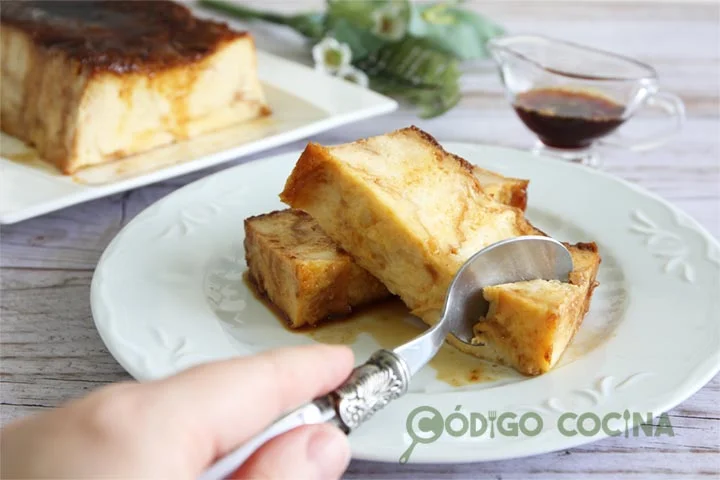
This Spanish-style bread and condensed milk pudding turns stale bread or pastry into a soft, custardy dessert with a caramel-coated top. It is a practical make-ahead pudding: chill it for several hours so it is easier to unmould and serve.
Ingredients
- 4medium eggs
- 225 gcondensed milk
- 500 mlwhole milk
- Zest of ½lemon
- 150 gstale bread or pastry
- 100 gwhite sugar
- 15 ml (1 tablespoon)lemon juice
- 30 ml (2 tablespoons)water
Instructions
- 1
Combine sugar and water
Put the white sugar in a frying pan and add the 30 ml of water.
- 2
Heat the sugar
Warm over a medium heat, letting the sugar dissolve without stirring to help prevent crystallisation.
- 3
Colour the caramel
When the sugar has turned golden over most of its surface, gently swirl the pan to even it out. Continue cooking until it becomes light brown.
- 4
Coat the mould
Carefully pour the caramel into a long mould, taking care not to burn yourself. Tilt the mould to coat its base and sides, then set it aside.
- 5
Preheat the oven
Preheat the oven to 170 °C, with heat from both the top and bottom.
- 6
Whisk eggs and milk
In a bowl, whisk the eggs with the condensed milk using a hand whisk.
- 7
Add milk and zest
Pour in the milk and add the lemon zest, mixing until combined.
- 8
Soak the bread
Break the stale bread or pastry into pieces and add them to the mixture. Leave to soak for 5 minutes so they absorb some of the liquid.
- 9
Fill the mould
Pour the mixture into the caramel-coated mould, distributing the bread pieces evenly.
- 10
Prepare a water bath
Set the mould inside a larger ovenproof dish and add water until it reaches halfway up the mould.
- 11
Bake the pudding
Bake at 170 °C for about 45 minutes, until the pudding has set.
- 12
Cool and chill
Carefully remove the mould from the oven and leave the pudding to cool. Cover it with cling film and refrigerate for at least 4 or 5 hours before turning it out.
What is bread and condensed milk pudding?
This is a Spanish-style bread pudding, a way to turn leftover bread or pastry into a baked dessert. The bread softens in a mixture of eggs, milk and condensed milk, then sets into a sliceable custard.
Caramel coats the mould and gives the pudding a glossy, bittersweet finish. Condensed milk brings sweetness and richness, while lemon zest adds a fresh, fragrant note.
Nutrition and macros by portion
The nutrition label shows one serving as written: 225 calories, 0g protein, 0g carbs, 0g fat.
| Portion | Adjustment | kcal | Protein | Carbs | Fat |
|---|---|---|---|---|---|
| Lighter | Smaller slice, fresh fruit | 158 kcal | 0g | 0g | 0g |
| This serving | As written | 225 kcal | 0g | 0g | 0g |
| Hungry | Larger slice | 338 kcal | 0g | 0g | 0g |
The bread or pastry provides most of the carbohydrates, while the eggs, whole milk and condensed milk contribute fat and some protein. The provided per-serving nutrition lists protein, carbohydrate and fat as 0 g, so treat those values as unspecified rather than as a useful macro breakdown; pair a slice with fresh fruit if you want a more balanced dessert plate.
Choosing the bread
Stale bread: Use plain, firm leftovers that can soak up the custard without immediately breaking down. The recipe also allows for stale pastry or other bakery leftovers.
Even pieces: Break the bread into manageable chunks so they can be distributed through the mould. The short soak helps them absorb some of the liquid before baking.
Making the caramel
Hands off: Let the sugar and water heat without stirring, as the method specifies. Once most of the sugar looks golden, gently swirl the pan to help the colour become even.
Light brown: Take care not to let the caramel get too dark, and handle it cautiously when pouring because it is extremely hot. Tilt the mould promptly to cover the base and sides.
The custard mixture
Whisk first: Combine the eggs and condensed milk before adding the whole milk and lemon zest. Mix until the ingredients are integrated, without needing to whip in lots of air.
Lemon zest: Grate only the yellow outer layer of the lemon for a clean citrus aroma. The listed lemon juice is not assigned a step in the supplied method, so add it only if following a version that specifies where it goes.
Baking in a water bath
Water level: Place the filled mould inside a larger dish and add water until it reaches halfway up the mould. This is the water-bath arrangement specified for the bake.
Doneness: Bake at 170 °C for about 45 minutes, looking for a pudding that has set. The exact time can vary with the shape and material of the mould.
Chilling and serving
Chill thoroughly: Let the pudding lose its heat before covering it and placing it in the fridge. The recipe calls for at least 4 or 5 hours of chilling before unmoulding.
To serve: Loosen the edges carefully and turn the pudding out onto a plate that can catch the caramel. Serve in slices, on its own or with fresh fruit.
Recipe notes & tips
- Use a long mould that fits inside your larger water-bath dish.
- Keep the pan on a medium heat while making the caramel and watch its colour closely.
- Swirl the pan rather than stirring once the sugar begins to colour.
- Distribute the soaked bread evenly so each slice contains some of it.
- Allow the pudding to cool before covering it for refrigeration.
- Chill for the full 4 or 5 hours before attempting to unmould.
Variations
- Use stale pastry: Replace the bread with 150 g of leftover plain pastry.
- Add cinnamon: Mix a little ground cinnamon into the custard for a warm spice note.
- Use orange zest: Swap the lemon zest for orange zest for a different citrus aroma.
- Add dried fruit: Fold a small handful of raisins into the soaked bread mixture.
- Serve with fruit: Add sliced fresh fruit alongside each portion.
Common mistakes to avoid
- Stirring the caramel: This can encourage crystallisation; leave it undisturbed until it colours, then swirl the pan.
- Darkening the caramel too far: It can taste bitter; remove it from the heat once it reaches a light brown colour.
- Skipping the soak: The bread may not absorb the custard evenly; leave it in the mixture for the stated 5 minutes.
- Uneven bread distribution: Some slices may lack bread; spread the pieces through the mould as you pour.
- Filling the water bath too high: Water should reach halfway up the mould, not cover it.
- Unmoulding too soon: The pudding may not hold its shape; chill it for at least 4 or 5 hours first.
How to store
Keep the covered pudding in the refrigerator and eat it within 3 days. Serve it chilled; if you prefer it warm, heat individual slices gently rather than reheating the whole pudding.
Frequently asked questions
Can I use bread that is not stale?
Stale bread is useful because it absorbs the custard well, but fresh bread can be used if that is what you have. It may soften more quickly, so keep an eye on its texture during the 5-minute soak.
How can I tell when the pudding is set?
Bake for about 45 minutes at 170 °C, as directed, and check that the mixture has set rather than remaining liquid in the centre. Mould size and shape can affect the exact timing.
Why does the recipe include lemon juice?
The ingredient list includes 15 ml of lemon juice, but the supplied method does not say when to add it. The method explicitly uses the zest; consult the original publisher's recipe if you want to confirm how the juice is intended to be used.
Can I make it ahead?
Yes. The method already requires at least 4 or 5 hours of refrigeration before unmoulding, so it suits advance preparation.
How do I stop the caramel from crystallising?
Do not stir the sugar and water as they heat. Once the sugar is golden across most of the pan, gently swirl it to even out the colour.
Cook it from the original
This recipe comes from codigococina.com. Their page has the author’s own photos, notes and tips — the best place to cook it from.
Open the recipe on codigococina.com