
Egg Free Bimini Bread Recipe
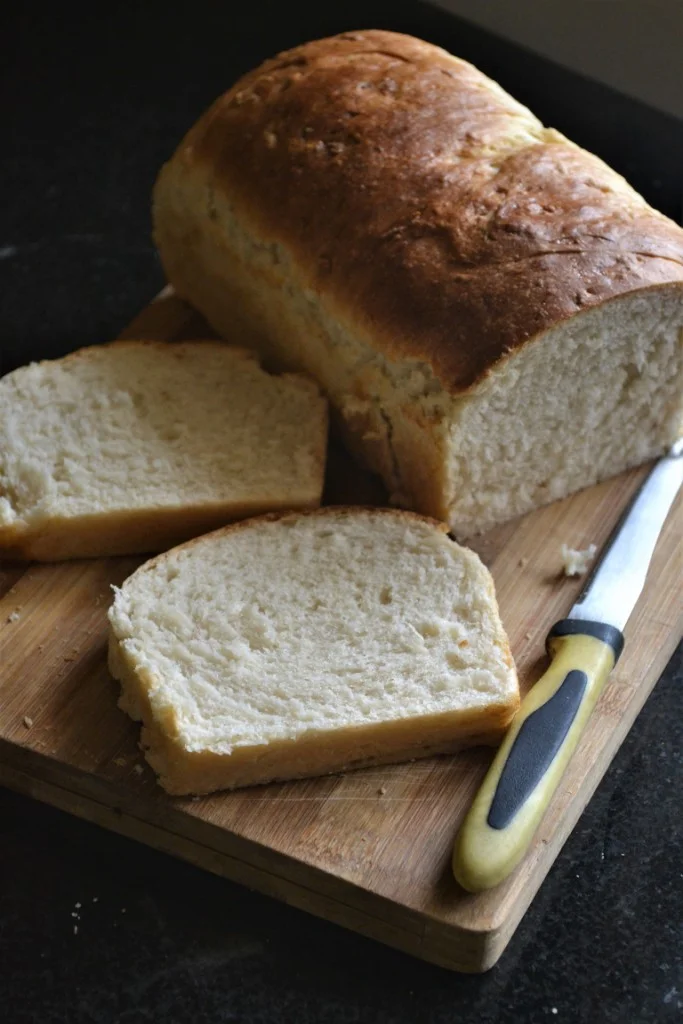
Bimini bread is a soft, lightly sweet Bahamian loaf flavoured with fresh coconut and coconut milk. This egg-free version is kneaded by hand and baked until golden, making it a fragrant choice for breakfast or a snack.
Ingredients
- 280 g (2¼ cups)plain flour (maida)
- 7.5 g (1¼ tsp)salt
- 38 g (3 tbsp)sugar
- 3 g (1 tsp)instant yeast
- 40 g (½ cup, tightly packed)freshly grated coconut
- 270 ml (1 cup + 2 tbsp)coconut milk
- 45 ml (3 tbsp)coconut oil
Instructions
- 1
Mix dry ingredients
In a bowl, combine the flour, sugar, salt and instant yeast.
- 2
Make the dough
Add the grated coconut, coconut milk and coconut oil. Knead until a slightly sticky dough forms.
- 3
Knead until smooth
Turn the dough out onto the work surface and knead for 10 minutes, until it feels smooth, soft and elastic.
- 4
Let it rise
Cover the dough with cling film and leave it to rise until doubled in volume.
- 5
Heat the oven
Preheat the oven to 200°C.
- 6
Shape the dough
Punch down the risen dough and shape it into a rectangle.
- 7
Roll into a log
Roll the rectangle up tightly into a log, then pinch the ends to seal.
- 8
Prepare the tin
Grease a 10 × 20 cm (4 × 8 in) loaf tin and place the log in it seam-side down.
- 9
Prove again
Cover the loaf and leave it to rest for 20 minutes.
- 10
Bake the bread
Bake in the preheated oven for 35–40 minutes.
- 11
Turn out the loaf
Remove the bread from the oven and leave it to cool for a few minutes before turning it out onto a wire rack.
- 12
Cool completely
Leave the loaf on the rack until it has cooled completely.
- 13
Slice and serve
Slice the cooled bread and serve.
What is Bimini bread?
Bimini bread is a sweet, coconut-rich loaf associated with Bimini in the Bahamas. It is traditionally enjoyed as a soft, satisfying bread rather than as a cake.
This version gets its flavour from fresh grated coconut, coconut milk and coconut oil, with no egg in the dough. The combination gives the loaf a tender crumb and a gentle coconut aroma.
Nutrition and macros by portion
The nutrition label shows one serving as written: 2170 calories, 30g protein, 264g carbs, 109g fat.
| Portion | Adjustment | kcal | Protein | Carbs | Fat |
|---|---|---|---|---|---|
| Lighter | Smaller slice, fruit on side | 1519 kcal | 21g | 185g | 76g |
| This serving | As written | 2170 kcal | 30g | 264g | 109g |
| Hungry | Larger slice | 3255 kcal | 45g | 396g | 164g |
The flour and sugar provide most of the carbohydrates, while coconut oil and coconut milk contribute much of the fat. Flour supplies some protein, with smaller amounts from the coconut ingredients. For a more balanced plate, serve a slice with fruit and a protein-rich side such as yoghurt.
The coconut ingredients
Fresh coconut: Tightly packed grated coconut adds texture and little bursts of flavour throughout the loaf. Grate it finely for a more even crumb.
Coconut milk: This supplies moisture and coconut character; stir it well before measuring if it has separated in the tin or carton.
Coconut oil: Mixing it into the dough adds richness. If it is solid, soften it until pourable but not hot before adding.
Kneading a sticky dough
Dough texture: The dough is meant to be slightly sticky at first, so avoid adding extra flour straight away. Kneading helps it become smoother and more elastic.
Work surface: Knead for the full 10 minutes, using a steady push-and-fold motion. If it clings, use a light touch rather than dusting heavily with flour.
Rising and shaping
First rise: Leave the covered dough until it has doubled in volume; the method does not specify a fixed time, as rising depends on the warmth of the room.
Tight roll: Shape the dough into a rectangle, then roll it into a snug log and pinch the ends closed. Set it in the greased tin seam-side down so the seam is held underneath.
Checking the bake
Oven timing: Bake at 200°C for 35–40 minutes. Start checking near the shorter end of the range, since ovens and tins can vary.
Cooling: Let the loaf stand for a few minutes before turning it onto a wire rack, then cool it fully before slicing. Cutting while warm can compress the soft crumb.
How to serve it
Bimini bread is pleasant plain, when its coconut flavour can come through clearly. It also works well toasted or served with a little butter or fruit preserves.
For a more substantial plate, pair a slice with yoghurt and fresh fruit, or serve it alongside a savoury breakfast.
Recipe notes & tips
- Measure the flour without packing it tightly into the cup.
- Mix the coconut milk before measuring if it has separated.
- Keep the dough covered during both rises to prevent its surface drying out.
- Grease the loaf tin thoroughly, including the corners.
- Use a serrated knife to slice the cooled loaf without squashing it.
Variations
- Add warming spice: Mix a little cinnamon into the dry ingredients for a spiced loaf.
- Use lime zest: Add finely grated zest for a fresh citrus note.
- Toast the coconut: Lightly toast some of the grated coconut and cool it before mixing in for a deeper flavour.
- Add dried fruit: Fold in a small handful of raisins for extra sweetness and texture.
- Make smaller loaves: Divide the shaped dough between smaller tins and check them earlier, as baking time may change.
Common mistakes to avoid
- Adding too much flour: The dough should stay slightly sticky; knead it before deciding whether it needs any extra.
- Using hot coconut milk: Very hot liquid can interfere with the yeast; use it at room temperature or just slightly warm.
- Rushing the first rise: Wait until the dough has doubled rather than relying on a set number of minutes.
- Leaving the seam on top: Place the rolled log seam-side down so it stays tucked underneath.
- Slicing while hot: Let the bread cool completely on a rack to help the crumb set.
How to store
Once completely cool, store the loaf in an airtight container at room temperature for up to 3 days. Reheat slices briefly in a toaster or warm oven; freeze well-wrapped slices for longer storage and thaw before warming.
Frequently asked questions
Is Bimini bread meant to be sweet?
It is lightly sweet, with sugar and coconut giving it a flavour between everyday bread and a breakfast loaf.
Why is the dough sticky?
The coconut milk and oil make it soft and slightly sticky. Knead it for the full 10 minutes before considering a light dusting of flour.
How long should the first rise take?
The method gives no fixed time. Leave the covered dough until it has doubled in volume; the time will depend on the room temperature and yeast activity.
Can I use desiccated coconut?
Fresh grated coconut is specified and gives the dough moisture as well as texture. Desiccated coconut is drier, so the result may differ.
How can I tell when the loaf is baked?
Follow the stated bake of 35–40 minutes at 200°C and check towards the end of that range. The loaf should be set and browned on the outside.
Can I freeze Bimini bread?
Yes. Cool it completely, wrap it well and freeze it whole or in slices. Thaw before reheating.
Cook it from the original
This recipe comes from gayathriscookspot.com. Their page has the author’s own photos, notes and tips — the best place to cook it from.
Open the recipe on gayathriscookspot.com