
Homemade seafood platter: cooking methods and timings
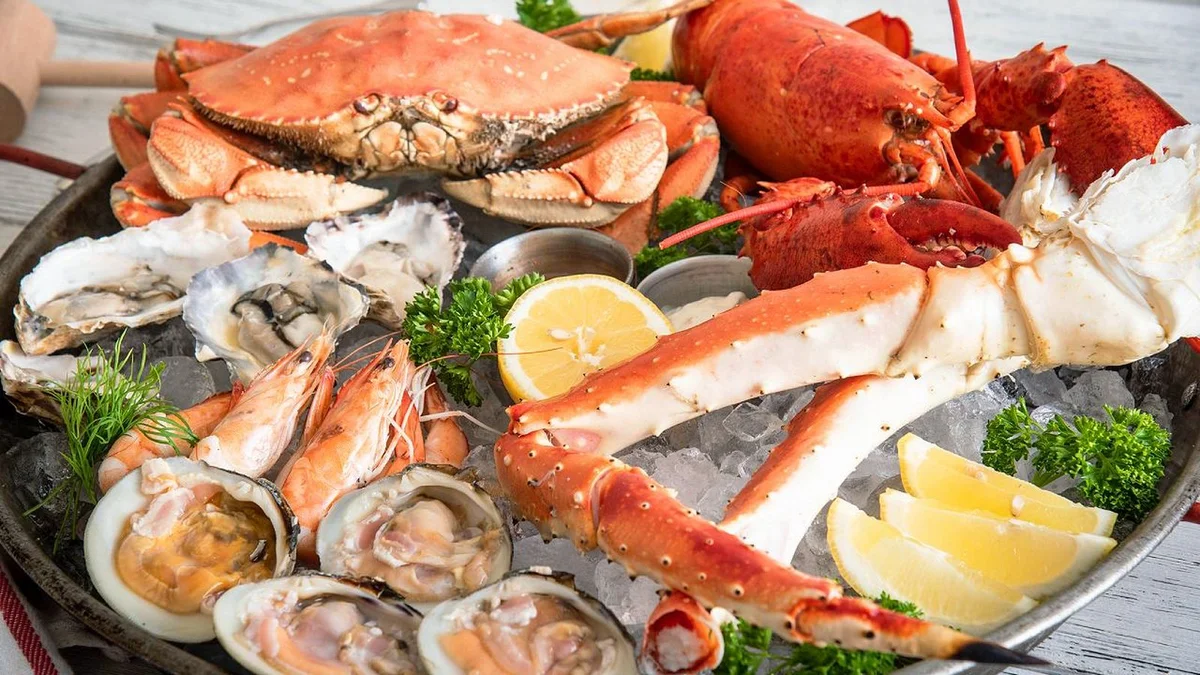
This Galician-style seafood platter brings lobster, langoustines, prawns, goose barnacles and shellfish together, cooked in stages in well-salted water. It makes a celebratory meal for two, with each ingredient cooked just long enough to retain its texture.
Ingredients
- 1lobster
- 4langoustines
- 6prawns
- 200 ggoose barnacles
- 200 gclams
- 200 gmussels
- as neededwater
- as neededsalt
- 2–3 leaves, optionalbay leaves
Instructions
- 1
Boil the water
Fill a large pot with mineral water and add 60 g of salt per litre, plus 2 or 3 bay leaves if you like. Bring it to the boil.
- 2
Cook the lobster
Add the lobster. If it weighs around 1 kg, cook it for about 20 minutes, starting the timer once the water has returned to the boil.
- 3
Add the prawns
Add the langoustines and prawns and cook for 4–5 minutes.
- 4
Cook the barnacles
Add the goose barnacles at the last moment; they need only 1 minute of cooking.
- 5
Clean the shellfish
In a separate pot, prepare the clams and mussels. Clean the clams well; scrub the mussels to remove crustaceans and beards, then leave them to soak in cold water for at least 1 hour.
- 6
Steam the shellfish
Put the clams and mussels in a pan with about two finger-widths of water. Bring to the boil, wait about 2 minutes for them to open, then take the pan off the heat.
- 7
Arrange and serve
Carefully arrange all the seafood on a large serving platter and serve.
What is a Galician seafood platter?
A seafood platter is an assortment of shellfish and crustaceans cooked simply and served together, often as a centrepiece for sharing. In Galicia, Spain’s north-western coastal region, seafood is a familiar part of the local food tradition.
This version combines lobster, langoustines, prawns, goose barnacles, clams and mussels. Cooking the different types in stages helps each one reach the table without being left in the pot too long.
Nutrition and macros by portion
The nutrition label shows one serving as written: 635 calories, 133g protein, 2g carbs, 11g fat.
| Portion | Adjustment | kcal | Protein | Carbs | Fat |
|---|---|---|---|---|---|
| Lighter | More salad on the side | 445 kcal | 93g | 1g | 8g |
| This serving | As written | 635 kcal | 133g | 2g | 11g |
| Hungry | Add bread and potatoes | 953 kcal | 199g | 3g | 16g |
The listed nutrition per serving is dominated by protein from the lobster, langoustines, prawns and shellfish. The seafood also accounts for most of the fat, while the listed carbohydrate content is very low. Serve with vegetables or salad and bread if you want a more substantial, balanced plate.
Salt and bay in the cooking water
Salted water: the recipe specifies 60 g of salt per litre, so measure the water before seasoning it. Use a large pot with enough room for the lobster and later additions.
Bay leaves: add 2 or 3 to the water if you want a gentle herbal note. They are optional and can be left out without changing the cooking sequence.
Cook each seafood in stages
Lobster: the stated timing is for one weighing around 1 kg, with the 20 minutes counted only after the water returns to the boil. A different-sized lobster may need a different cooking time.
Crustaceans: add the langoustines and prawns after the lobster, cooking them for 4–5 minutes. Goose barnacles go in last for just 1 minute, so they are not left boiling while the other seafood cooks.
Prepare the clams and mussels separately
Clams: clean them well before cooking, as directed. Their cooking time is brief: about 2 minutes in a separate pan with a little water, until they open.
Mussels: scrub off any attached crustaceans and remove the beards, then soak them in cold water for at least 1 hour. Cook them with the clams and take the pan off the heat once they have opened.
Watch for the doneness cues
Timing: use the recipe's timings as a guide, and keep the pots under observation rather than leaving seafood to cook unattended. In particular, remove the clams and mussels from the heat once open.
Texture: the method keeps cooking brief for the smaller seafood, which helps avoid leaving it in boiling water longer than needed. Arrange the cooked pieces on the platter carefully so they remain intact.
Serve it as a shared meal
Platter: distribute the seafood across a wide serving tray so the different pieces are easy to reach. Serve it once everything is cooked, rather than letting the shellfish sit in its cooking water.
Accompaniments: offer bread and a simple salad alongside, if desired. Keep extras separate so they do not cover the seafood's delicate flavour.
Recipe notes & tips
- Measure the water before adding salt so you can follow the specified 60 g per litre.
- Start the lobster's 20-minute timing only once the water has returned to the boil.
- Keep the goose barnacles aside until the final minute of cooking.
- Soak the mussels in cold water for at least 1 hour before cooking.
- Take the clams and mussels off the heat as soon as they open.
- Use a wide platter to make the assortment easier to serve.
Variations
- Skip the bay: leave out the optional leaves for a plainer cooking liquor.
- Serve with lemon: add lemon wedges at the table for a fresh, sharp contrast.
- Add a salad: serve crisp salad alongside for a lighter accompaniment.
- Offer bread: put bread on the table to accompany the seafood.
- Change the platter: arrange the seafood in separate groups so diners can choose what they like.
Common mistakes to avoid
- Starting the lobster timer too soon: count the 20 minutes from when the water returns to the boil.
- Cooking the barnacles too early: add them at the end because they need only 1 minute.
- Skipping the mussel cleaning: scrub off attached crustaceans and remove the beards before cooking.
- Rushing the soak: leave the mussels in cold water for at least 1 hour.
- Overcooking the clams and mussels: remove the pan from the heat after about 2 minutes, when they have opened.
How to store
Seafood is best served freshly cooked. Refrigerate any leftovers promptly in a covered container and use within 1 day; reheat gently until hot, or serve chilled if appropriate. Discard shellfish that remained closed after cooking.
Frequently asked questions
How much salt should I use?
The recipe calls for 60 g of salt per litre of water. Measure the water in the pot to work out the amount.
When do I start timing the lobster?
For a lobster weighing around 1 kg, count about 20 minutes from the moment the water returns to the boil after you add it.
Can I cook all the seafood together?
The method cooks the lobster, langoustines, prawns and goose barnacles in stages, and prepares the clams and mussels in a separate pot. Following that sequence keeps the shorter-cooking seafood from boiling for too long.
How long should the mussels soak?
Soak them in cold water for at least 1 hour after scrubbing them and removing their beards.
What should I do with shellfish that do not open?
The recipe says to remove the pan from the heat once the clams and mussels open. Discard any that remain closed after cooking.
Cook it from the original
This recipe comes from cocinatis.com. Their page has the author’s own photos, notes and tips — the best place to cook it from.
Open the recipe on cocinatis.com