
Egg white and lemon cake
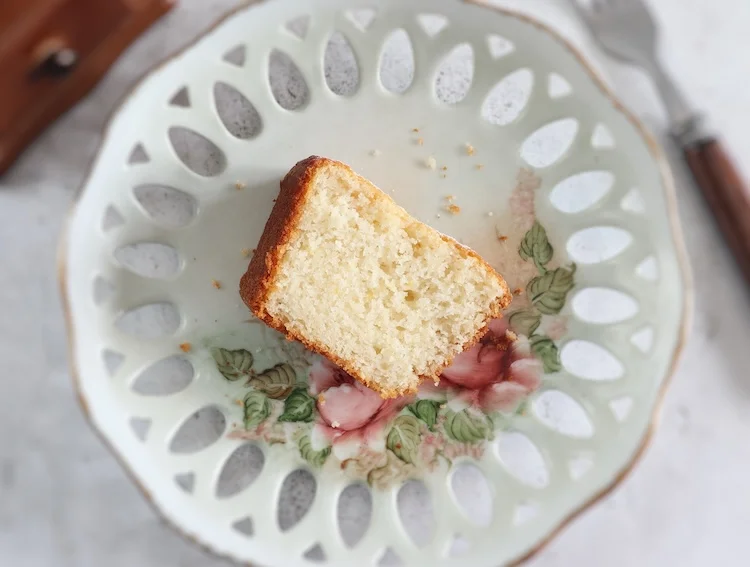
This Portuguese-style lemon cake uses egg whites for a light crumb, with lemon zest and juice bringing a fresh citrus flavour. It is a straightforward bake made with seven listed ingredients and works well for afternoon tea or dessert.
Ingredients
- 5egg whites
- 200 gplain flour
- 175 gsugar
- zest of 1lemon
- juice of 1lemon
- 100 gsoftened unsalted butter
- 1 tsp (5 ml)baking powder
Instructions
- 1
Prepare the tin
Preheat the oven to 180°C. Grease a 24 × 8 cm ring cake tin with butter, then dust it with a little flour, turning the tin so the flour coats the whole inside.
- 2
Mix the batter
Using an electric mixer on medium speed, beat the sugar, egg whites and butter until smooth. Add the lemon juice and zest, then beat for about 1–2 minutes until incorporated. Add the flour and baking powder and mix until you have a creamy batter.
- 3
Scrape the bowl
Use a rubber spatula to scrape the sides and bottom of the bowl.
- 4
Bake the cake
Pour the batter into the prepared tin and bake for about 25–30 minutes; the exact time depends on your oven. Insert a skewer into the centre: the cake is ready if it comes out clean.
- 5
Cool in the tin
Remove the cake from the oven and leave it in the tin for about 15–20 minutes.
- 6
Turn out and serve
Turn the cake out onto a cooling rack or plate and let it cool completely. Decorate with icing sugar and serve.
What is egg white and lemon cake?
This is a simple Portuguese-style ring cake flavoured with lemon. Its batter uses egg whites rather than whole eggs, while softened butter gives it richness and the citrus keeps the flavour bright.
The method is deliberately direct: the ingredients are beaten together, poured into a ring tin and baked. The central hole helps the cake bake evenly through.
Nutrition and macros by portion
The nutrition label shows one serving as written: 184 calories, 3g protein, 28g carbs, 7g fat.
| Portion | Adjustment | kcal | Protein | Carbs | Fat |
|---|---|---|---|---|---|
| Lighter | Smaller cake slice | 129 kcal | 2g | 20g | 5g |
| This serving | As written | 184 kcal | 3g | 28g | 7g |
| Hungry | Larger cake slice | 276 kcal | 5g | 42g | 10g |
Most of the carbohydrates come from the flour and sugar, while the butter supplies most of the fat and saturated fat. The egg whites contribute protein, though the cake is not especially protein-rich per slice. Serve a slice with fresh fruit or yoghurt to make a more balanced plate.
Choosing the ingredients
Egg whites: Use five whites and make sure they are free of yolk, as even a little yolk can affect how smoothly they combine with the other ingredients. The recipe beats them with the sugar and butter rather than whipping them separately.
Lemon: Zest the fruit before squeezing it, and avoid grating the bitter white pith. Fresh juice and zest give the cake its citrus character.
Getting a smooth batter
Soft butter: Let it soften before mixing so it blends more readily with the sugar and egg whites. Beat at medium speed until the mixture looks even.
Flour and raising agent: Add both after the lemon and mix only until the batter is creamy. Scraping down the bowl afterwards helps catch any unmixed butter or flour around the edges.
Preparing the ring tin
Grease and flour: Coat the tin carefully, including the centre tube, then rotate it as you add the flour so the whole inside is covered. This helps the baked cake release cleanly.
Pouring: Transfer the batter evenly into the tin. There is no need to pack or press it down.
Checking when it is done
Timing: Begin checking at 25 minutes, as the recipe gives a 25–30 minute baking window and ovens vary. Insert a skewer into the centre of the cake.
Doneness: A clean skewer signals that the cake is baked through. If wet batter clings to it, return the cake to the oven and check again shortly afterwards.
Cooling and serving
First cool the cake in its tin for 15–20 minutes; this gives it time to firm up before turning it out. Then leave it on a rack or plate until completely cool.
Serve it plain or with the recipe's suggested dusting of icing sugar. It pairs well with tea or coffee, or with fresh fruit alongside.
Recipe notes & tips
- Bring the butter to room temperature so it is soft enough to mix smoothly.
- Zest the lemon before cutting it to squeeze out the juice.
- Coat the ring tin thoroughly with butter and flour, including around the centre tube.
- Scrape the bowl after mixing so ingredients around the sides are incorporated.
- Start checking the cake at 25 minutes because oven times can vary.
- Let the cake cool completely before dusting it with icing sugar.
Variations
- Extra lemon: Add a little more zest for a stronger citrus aroma.
- Vanilla: Mix in a small splash of vanilla extract with the lemon.
- Almond: Replace a small amount of the flour with ground almonds for a softer, nutty crumb.
- Berry pairing: Serve slices with fresh berries for a fruity contrast.
- Citrus twist: Use orange zest in place of some of the lemon zest.
Common mistakes to avoid
- Unsoftened butter: It can leave lumps in the mixture; soften it before you begin.
- Skipping the tin coating: The cake may stick; grease and flour all the inside surfaces.
- Overmixing after adding flour: This can make the crumb less tender; stop when the batter is creamy.
- Opening the oven too early: The cake may not have set; wait until at least the 25-minute mark to check.
- Turning out too soon: The warm cake can break; leave it in the tin for 15–20 minutes first.
- Cutting while warm: The slices may crumble; allow the cake to cool completely.
How to store
Once completely cool, keep the cake in an airtight container at room temperature for up to 3 days. Reheat individual slices briefly in a low oven or microwave if you prefer them warm.
Frequently asked questions
Can I use a different cake tin?
The recipe specifies a 24 × 8 cm ring tin. A different tin may change the cake's depth and baking time, so check it with a skewer rather than relying only on the stated timing.
Do I need to whip the egg whites separately?
No. In this method, the egg whites are beaten with the sugar and softened butter; they are not whipped to stiff peaks on their own.
How do I know the cake is baked?
Insert a skewer into the centre after about 25 minutes. It should come out clean, without wet batter attached.
Can I make the cake ahead?
Yes. Bake and cool it fully, then store it in an airtight container. Add the icing sugar shortly before serving.
Can I freeze this cake?
Yes. Wrap the cooled cake or individual slices well and freeze. Defrost at room temperature, then dust with icing sugar before serving.
Cook it from the original
This recipe comes from foodfromportugal.com. Their page has the author’s own photos, notes and tips — the best place to cook it from.
Open the recipe on foodfromportugal.com