
No-Knead Flatbread Recipe
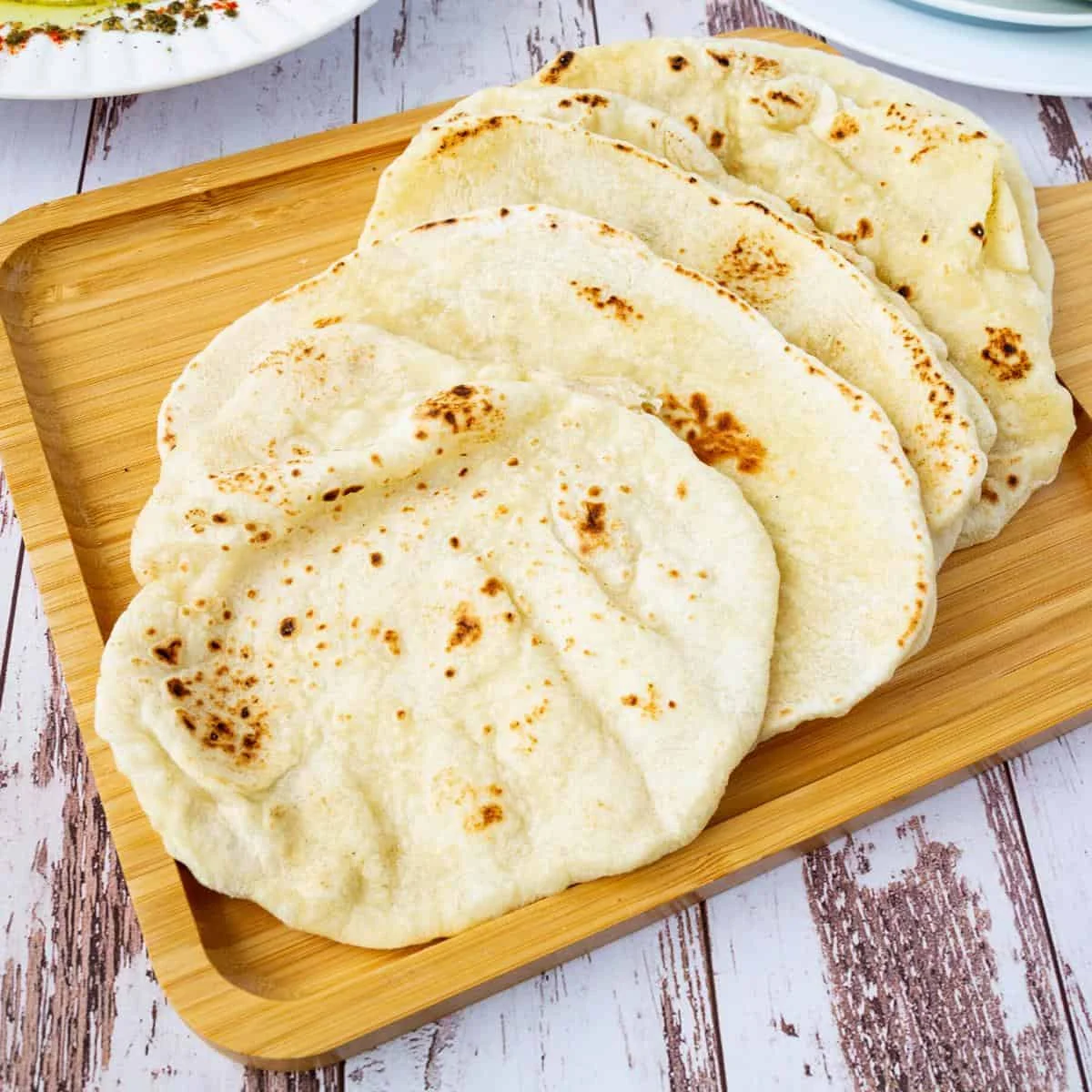
These soft, no-knead flatbreads use a simple yeast dough and cook quickly in a skillet. Make them for wraps, dips, or alongside grilled food; the short hands-on process makes a batch of 12 straightforward to prepare.
Ingredients
- 500 gplain flour
- 7 g (1 packet)instant dried yeast
- 360 ml (110°F / about 43°C)warm water
- 15 golive oil
- 15 gsugar
- 9 gsalt
- 60 g (½ cup)plain flour, for working
Instructions
- 1
Mix the yeast
In a measuring jug or medium bowl, combine the warm water, olive oil, sugar and yeast.
- 2
Combine dry ingredients
In a separate large bowl, mix the flour and salt.
- 3
Make the dough
Pour the yeast mixture into the flour mixture. Stir thoroughly with a wooden spoon or spatula, checking that no dry flour remains at the bottom of the bowl.
- 4
Let it rise
Cover the bowl with a clean tea towel or cling film. Leave it somewhere warm for 30 minutes to 1 hour, until the dough has almost doubled in size.
- 5
Divide the dough
Transfer the dough to a well-floured work surface. Cut it into two portions with a dough scraper or knife, then divide each portion into six to make 12 pieces.
- 6
Shape the flatbreads
Dust each piece with flour and shape it into a ball. On a well-floured surface, roll each ball to about 15 cm (6 inches) across, then brush off excess flour.
- 7
Heat the skillet
Heat a skillet over medium-high heat. Once it is hot, turn the heat down to medium.
- 8
Cook each flatbread
Place one flatbread in the skillet and cook for 30 seconds, until bubbles appear on top. Flip and cook for another 30 seconds, then press it with the back of a flat spatula to help it cook evenly.
- 9
Brush if desired
Brush the flatbread with oil or butter if you like, or leave it plain.
- 10
Keep them soft
As each flatbread is cooked, wrap it in a clean tea towel or cheesecloth to help keep it soft.
- 11
Serve
Enjoy the flatbreads.
What is no-knead flatbread?
Flatbreads are breads shaped into broad, thin rounds and cooked on a hot surface. This American-style recipe uses yeast for a risen, tender texture, while skipping the usual kneading step.
The dough rests until nearly doubled, then is divided and rolled before a quick skillet cook. That combination gives you a soft bread suited to wraps, dips and grilled meals.
Nutrition and macros by portion
The nutrition label shows one serving as written: 120 calories, 3g protein, 25g carbs, 1g fat.
| Portion | Adjustment | kcal | Protein | Carbs | Fat |
|---|---|---|---|---|---|
| Lighter | Use less oil or butter | 84 kcal | 2g | 18g | 1g |
| This serving | As written | 120 kcal | 3g | 25g | 1g |
| Hungry | Serve an extra flatbread | 180 kcal | 5g | 38g | 2g |
Most of the carbohydrates come from the flour, which also contributes some protein; the olive oil supplies most of the added fat. Pair a flatbread with a protein-rich filling and vegetables, or serve it with a hearty dip and a fresh salad to make a more balanced plate.
The ingredients that matter
Yeast: Instant dried yeast is mixed directly with the warm water, oil and sugar. The water should feel warm rather than hot; excessive heat can impair the yeast.
Flour: Plain flour forms the dough, while extra flour helps prevent sticking as you divide and roll it. Brush away loose flour before cooking so it does not scorch in the skillet.
A hands-off rise
Mix thoroughly: Stir until no dry flour is left at the bottom of the bowl, as unevenly hydrated dough can be difficult to portion.
Watch the dough: The recipe allows 30 minutes to 1 hour for the rise. Use the visual cue—almost doubled in size—rather than relying only on the clock.
Rolling evenly
Small portions: Divide the dough into 12 pieces and shape each into a ball before rolling. Keeping the pieces similar in size helps them cook at a similar pace.
Thin rounds: Roll each ball to about 15 cm (6 inches) across. Aim for an even thickness so the flatbread cooks through without one area drying out.
Cooking in the skillet
Heat control: Start over medium-high heat, then reduce the skillet to medium once hot. This helps the bread cook without the surface scorching too quickly.
Doneness cues: Bubbles on top after about 30 seconds signal that it is time to flip. Cook the second side for another 30 seconds, pressing gently with the spatula to encourage even contact.
Serving ideas
Wraps: Use the flatbreads for shawarma or other fillings while they are soft and pliable.
Dips and grills: Serve them plain or brushed with oil or butter alongside hummus, barbecued food or grilled dishes. Their mild flavour works with both savoury spreads and seasoned fillings.
Recipe notes & tips
- Measure the water at about 43°C so it is warm but not hot.
- Cover the dough during its rise to stop the surface drying out.
- Flour the work surface and rolling pin lightly, adding more only if the dough sticks.
- Brush off excess flour before each round goes into the skillet.
- Keep cooked flatbreads wrapped in a clean cloth while you cook the rest.
- Use a spatula to press gently rather than flattening the bread hard.
Variations
- Garlic finish: Brush the cooked flatbreads with oil mixed with crushed garlic.
- Herb topping: Scatter chopped herbs over an oil-brushed flatbread just after cooking.
- Butter finish: Brush with melted butter instead of leaving the breads plain.
- Seeded dough: Knead no extra dough; simply scatter seeds on the surface before rolling them in gently.
- Spiced oil: Brush the cooked breads with oil flavoured with a little ground cumin or paprika.
Common mistakes to avoid
- Water too hot: Very hot water can hinder the yeast; use warm water at about 43°C.
- Under-risen dough: Wait until it has almost doubled in size, allowing up to 1 hour.
- Uneven portions: Divide each half into six pieces so the breads cook at a similar rate.
- Too much flour: Excess flour can burn in the skillet; dust off the rounds before cooking.
- Skillet too hot: Reduce the heat to medium once the pan is hot to avoid scorching the bread.
- Cooking too long: Use the bubbles and the stated 30-second intervals as cues to keep the flatbreads tender.
How to store
Keep the cooked flatbreads wrapped in a clean cloth while serving. Once cool, store them in an airtight container at room temperature for up to 2 days, or freeze them for up to 2 months; reheat briefly in a skillet until soft.
Frequently asked questions
Can I make the dough ahead?
The recipe calls for a rise of 30 minutes to 1 hour, until the dough has almost doubled. For a make-ahead schedule, refrigerate the covered dough and allow it to warm up before dividing and rolling.
How do I know when the skillet is ready?
Heat it over medium-high, then lower the heat to medium once it is hot. The flatbread should begin to bubble on top after about 30 seconds.
Why are my flatbreads tough?
They may have been rolled unevenly or cooked for too long. Roll to an even thickness and follow the short cooking intervals, watching for bubbles before flipping.
Can I use these for wraps?
Yes. Their soft texture makes them suitable for wraps, including shawarma-style fillings.
Do I have to brush them with oil or butter?
No. The recipe leaves this optional, so you can serve them plain or brush them after cooking.
Cook it from the original
This recipe comes from veenaazmanov.com. Their page has the author’s own photos, notes and tips — the best place to cook it from.
Open the recipe on veenaazmanov.com