
Beef Asado
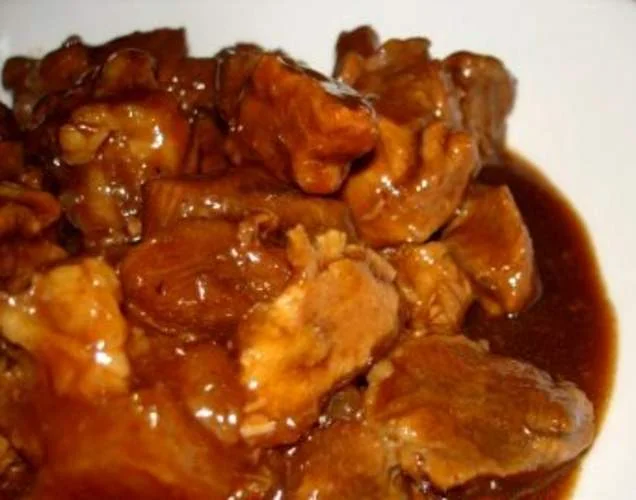
Filipino beef asado is a gently simmered beef stew with a savoury tomato, soy and citrus sauce. This straightforward version needs little hands-on work and lets the beef become tender in its tangy, peppery cooking liquid.
Ingredients
- 1.36–1.81 kg (3–4 lb)beef stew meat
- 2 cans, 227 g each (8 oz each)tomato sauce
- 120 ml (½ cup)Aloha shoyu
- 120 ml (½ cup)fresh lemon juice
- 30 ml (2 tbsp)vinegar
- 12 clovesgarlic, crushed
- 1 largeonion, chopped
- 2.5 ml (½ tsp)freshly ground black pepper
- 15 ml (1 tbsp)whole peppercorns
- 2bay leaves
Instructions
- 1
Combine ingredients
Place the beef, tomato sauce, shoyu, lemon juice, vinegar, garlic, onion, freshly ground black pepper, whole peppercorns and bay leaves in a large saucepan over medium heat.
- 2
Bring to boil
Bring the mixture to a boil, then reduce the heat.
- 3
Simmer until tender
Simmer for 1½ hours, until the beef is tender.
- 4
Finish the sauce
If you like, thicken the sauce to make it more like gravy before serving.
What is beef asado?
Asado is a name used for different dishes across Spanish-influenced cuisines, including Filipino cooking. This Filipino-style version is a stew of beef cooked with tomato sauce, soy sauce, citrus, vinegar and aromatics.
The combination gives the sauce a savoury, tangy character, while a long, gentle simmer helps make stew meat tender. This recipe keeps the pot simple, though vegetables can be added if desired.
Nutrition and macros by portion
The nutrition label shows one serving as written: 535 calories, 53g protein, 18g carbs, 28g fat.
| Portion | Adjustment | kcal | Protein | Carbs | Fat |
|---|---|---|---|---|---|
| Lighter | More vegetables, less beef | 375 kcal | 37g | 13g | 20g |
| This serving | As written | 535 kcal | 53g | 18g | 28g |
| Hungry | Serve with extra rice | 803 kcal | 80g | 27g | 42g |
Beef supplies most of the protein and much of the fat, while the tomato sauce contributes some carbohydrates. Shoyu is the main source of sodium, so serve a moderate amount of sauce alongside rice and vegetables to balance the plate.
The sauce ingredients
Tomato sauce: it forms the base of the braising liquid and brings body and mild sweetness.
Shoyu and citrus: soy sauce adds salt and savouriness, while lemon juice and vinegar lend acidity. Their balance is central to the stew’s distinctive flavour.
Pepper and aromatics: crushed garlic and chopped onion flavour the sauce as it cooks; whole peppercorns and bay leaves add a more gradual fragrance.
A simple one-pot method
Everything goes into the saucepan before the cooking begins, so there is no separate browning stage in this method. Use a pan large enough to hold the beef and sauce without crowding it.
Once the mixture boils, lower the heat rather than letting it bubble hard. A steady simmer gives the beef time to soften without reducing the sauce too quickly.
How to judge tenderness
The recipe gives 1½ hours as the simmering time, but the most useful cue is the beef itself. Test a piece with a fork: it should yield easily rather than feel tough or chewy.
If the meat is not tender yet, continue cooking gently and check again. Keep the pot at a simmer, not a vigorous boil.
Choosing the beef
Beef stew meat is convenient because it is already cut into pieces suited to a long braise. Pieces may vary in size, so try to use similarly sized chunks for more even cooking.
The description also mentions using a roast and slicing it for serving, but the method and quantities here are for stew meat. If using a roast, allow for differences in cooking time and check tenderness rather than relying only on the stated time.
Serving the stew
Serve the beef with plenty of sauce, optionally thickened to a gravy-like consistency. Rice is a practical accompaniment for soaking up the savoury, tangy liquid.
The recipe is intentionally simple, but its description suggests adding potatoes, carrots or other familiar stew vegetables. Additions can make the pot more substantial and change how much sauce is available per serving.
Recipe notes & tips
- Cut the beef into similarly sized pieces so they are more likely to become tender at the same time.
- Keep the heat low after the initial boil to prevent the sauce from reducing too rapidly.
- Taste the sauce near the end of cooking before adding any extra seasoning, as shoyu is already salty.
- Check the beef with a fork at the end of the stated simmering time.
- For a thicker gravy-like sauce, follow the recipe’s suggestion to thicken it before serving.
Variations
- Add carrots: include chunks for a sweeter, more substantial stew.
- Add potatoes: simmer potato pieces in the sauce until tender.
- Use a roast: cook a whole roast until tender, then slice it for serving, allowing for a different cooking time.
- Adjust the tang: use a little less lemon juice or vinegar for a milder sauce.
- Serve with rice: spoon the beef and sauce over rice to make a filling meal.
Common mistakes to avoid
- Boiling hard: a rolling boil can reduce the sauce too quickly; lower the heat after it first boils.
- Rushing the simmer: beef may remain tough if it has not cooked long enough; continue until fork-tender.
- Adding salt too early: shoyu is salty, so taste the finished sauce before seasoning further.
- Uneven beef pieces: chunks of very different sizes cook at different rates; cut them to a similar size.
- Expecting a thick gravy: the recipe only suggests thickening as an option; thicken the sauce if that is the consistency you want.
How to store
Refrigerate leftovers in a covered container within 2 hours and use within 3–4 days. Reheat gently in a saucepan until hot throughout, adding a splash of water if the sauce has thickened; freeze for up to 3 months for longer storage.
Frequently asked questions
Can I add vegetables to beef asado?
Yes. Potatoes, carrots or other vegetables can be added to the stew. Allow them to cook until tender, and bear in mind that they will absorb some of the sauce.
How can I tell when the beef is ready?
It should yield easily when tested with a fork. If it is still tough after 1½ hours, keep simmering gently and check it again.
Can I use a whole roast instead of stew meat?
The recipe description mentions this option, with the roast sliced for serving. The method is written for stew meat, so use tenderness as your guide and expect the timing to differ.
Can I thicken the sauce?
Yes, thickening the sauce for a gravy-like finish is optional. The recipe does not specify a thickening method.
What should I serve with beef asado?
Rice works well with the savoury sauce. Vegetables can also be served alongside or cooked in the stew.
How many people does this recipe serve?
The recipe lists 6–8 servings. Its serving count may depend on portion size and whether you serve it with rice or vegetables.
Cook it from the original
This recipe comes from cookinghawaiianstyle.com. Their page has the author’s own photos, notes and tips — the best place to cook it from.
Open the recipe on cookinghawaiianstyle.com