
Pork tenderloin with Pedro Ximénez
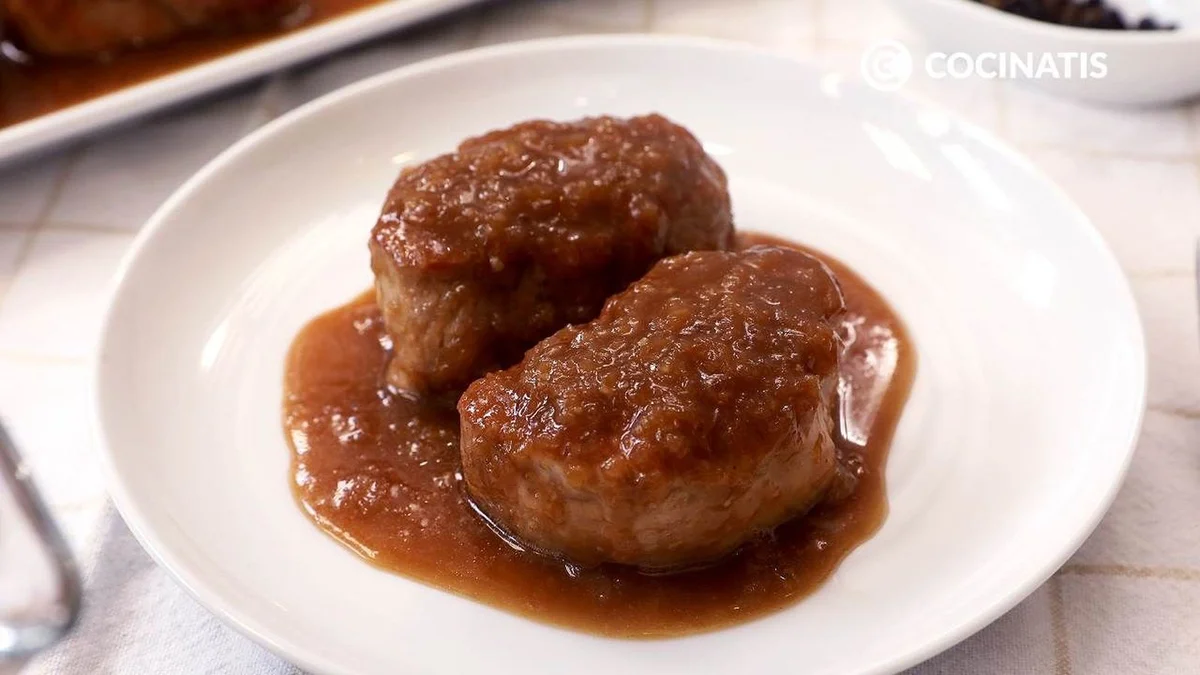
Pork tenderloin with Pedro Ximénez is a Spanish-style dish of seared pork medallions in a sweet, aromatic wine sauce. It is straightforward to make, yet feels special enough for a celebratory meal.
Ingredients
- 1pork tenderloin
- 200 mlPedro Ximénez wine
- 200 mlmeat stock
- 1onion
- 2 clovesgarlic
- 1 tablespooncornflour
- to tastesalt
- to tasteground black pepper
- as neededextra-virgin olive oil
Instructions
- 1
Sear the pork
Cut the pork tenderloin into large medallions and season with salt and pepper. Heat a little oil in a frying pan and sear the medallions over a high heat on both sides. Remove them from the pan and set aside.
- 2
Cook the aromatics
Add a little more oil to the same pan if needed, then soften the chopped onion and garlic until the onion is translucent. Pour in the Pedro Ximénez and boil over a high heat for about 2 minutes, allowing the alcohol to evaporate.
- 3
Thicken the sauce
Add the cornflour and whisk it into the sauce. Pour in the meat stock and leave the sauce to reduce for 10 minutes.
- 4
Blend the sauce
This step is optional: blend the sauce until smooth to combine the flavours, then return it to the pan.
- 5
Finish the pork
Add the pork medallions to the sauce and cook everything together for a further 4 minutes. Turn the medallions halfway through so they cook on both sides and take on the flavour of the sauce.
- 6
Serve the dish
Serve the pork tenderloin with the Pedro Ximénez sauce.
What is pork with Pedro Ximénez?
This Spanish-style preparation pairs tender pork with Pedro Ximénez, a rich, sweet fortified wine often used in cooking. The wine reduces with onion, garlic and stock to make a glossy sauce.
Here, the pork is first seared and then briefly simmered in the sauce. That order builds flavour in the pan while helping the medallions stay juicy.
Nutrition and macros by portion
The nutrition label shows one serving as written: 417 calories, 24g protein, 24g carbs, 17g fat.
| Portion | Adjustment | kcal | Protein | Carbs | Fat |
|---|---|---|---|---|---|
| Lighter | Use less olive oil | 292 kcal | 17g | 17g | 12g |
| This serving | As written | 417 kcal | 24g | 24g | 17g |
| Hungry | Add potatoes or rice | 626 kcal | 36g | 36g | 26g |
The pork provides most of the protein, while the wine and cornflour contribute carbohydrates and the olive oil supplies much of the fat. Pair a serving with vegetables and a moderate portion of potatoes or rice for a more complete plate.
Choosing the ingredients
Pork tenderloin: cut it into large, even medallions so they cook at a similar pace. The source recipe does not specify the tenderloin's weight, so use one whole tenderloin.
Pedro Ximénez: its natural sweetness gives the sauce its distinctive character. Meat stock adds a savoury counterpoint; the recipe allows either chicken or meat stock in the method, and lists meat stock in the ingredients.
Getting a good sear
Hot pan: let the oil heat before adding the pork, and sear the medallions on both sides over a high heat. Work in batches if the pan is crowded, so the meat can brown rather than steam.
Pan residue: keep the browned bits in the pan when you remove the pork. The onion, garlic and wine will loosen them and carry their flavour into the sauce.
Building the sauce
Softened onion: cook it with the chopped garlic until translucent before adding the wine. This gives the aromatics time to soften without rushing the sauce.
Cornflour: whisk it into the pan before pouring in the stock to help avoid lumps. Let the sauce reduce for the stated 10 minutes, then blend it if you prefer a smoother finish.
Checking the pork
Brief finish: return the medallions to the sauce for 4 minutes, turning them halfway through. The recipe gives no internal temperature or earlier searing time, so use the medallions' thickness and the pan's heat as guides.
Avoid lingering in the pan: tenderloin is lean, and extra cooking can make it dry. Serve as soon as the pork is cooked through and coated in the sauce.
Serving ideas
A plain accompaniment works well with the sweet, savoury sauce. Try boiled or mashed potatoes, rice, or bread to catch the sauce.
For a more balanced plate, add a green vegetable or a crisp salad alongside the pork.
Recipe notes & tips
- Cut the tenderloin into medallions of similar thickness for more even cooking.
- Sear the pork in a properly heated pan to encourage browning.
- Chop the onion and garlic finely so they soften in the sauce.
- Whisk the cornflour into the sauce before adding the stock.
- Blend the sauce only if you want a smoother texture.
- Turn the medallions halfway through their 4-minute finish in the sauce.
Variations
- Smooth sauce: blend it before returning the pork to the pan.
- Chunky sauce: leave the onion and garlic unblended for more texture.
- Chicken stock: use it instead of meat stock, as allowed in the method.
- Herb finish: add a little chopped parsley just before serving.
- Vegetable side: serve with green beans or another simply cooked vegetable.
Common mistakes to avoid
- Crowded pan: the pork can steam instead of sear; brown it in batches if needed.
- Overcooked onion: cook it only until translucent before adding the wine.
- Lumpy sauce: whisk the cornflour in well before pouring in the stock.
- Skipping the reduction: allow the sauce its full 10 minutes to reduce.
- Overcooking the medallions: finish them in the sauce for the stated 4 minutes and avoid extra simmering.
How to store
Cool leftovers promptly and store them in an airtight container in the fridge for up to 3 days. Reheat gently in a covered pan until hot throughout, adding a splash of stock or water if the sauce has thickened.
Frequently asked questions
Can I make the sauce without blending it?
Yes. Blending is optional; leave the onion and garlic in the sauce for a more textured finish.
Can I use chicken stock?
Yes. Although the ingredient list specifies meat stock, the method says chicken or meat stock can be used.
How long should I sear the medallions?
The recipe does not give a specific searing time. Sear them on both sides over a high heat, then finish them in the sauce for 4 minutes, turning halfway through.
Can I prepare the sauce ahead?
You can make the sauce ahead and chill it in a covered container. Reheat it in the pan, then add the pork and finish the dish as directed.
What goes well with this dish?
Potatoes, rice or bread all work well with the sauce. Add a green vegetable or salad alongside.
Cook it from the original
This recipe comes from cocinatis.com. Their page has the author’s own photos, notes and tips — the best place to cook it from.
Open the recipe on cocinatis.com