
Wood-fired Fabada Asturiana: traditional, authentic flavour
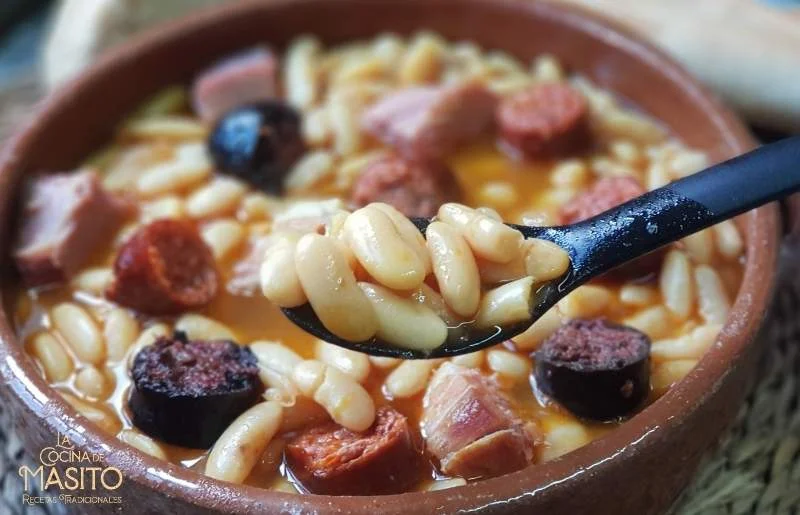
Fabada Asturiana is a rich Asturian bean stew with fresh fabes, smoked pork and the region’s characteristic compango of chorizo and morcilla. Cooking it in a wood-fired oven gives the broth and cured meats a gentle smoky note; a slow simmer and a good rest help bring the flavours together.
Ingredients
- 750 gfresh fabes
- 1 piecesmoked pancetta
- 1 piecesmoked lacón (cured pork shoulder)
- 2Asturian chorizos
- 2Asturian morcillas
- 1 teaspoonsweet La Vera paprika
- A generous splashextra-virgin olive oil
- To tastesaffron threads
- 1 (optional)onion
- Enough to cover the stewwater
Instructions
- 1
Add the beans
Put the fresh fabes into a 4-litre earthenware casserole.
- 2
Add the pork
Add the lacón and pancetta, which should have been soaked in water overnight to remove excess salt.
- 3
Add the compango
Add the morcillas and chorizos, then the teaspoon of sweet La Vera paprika and a generous splash of extra-virgin olive oil.
- 4
Bring to a simmer
Move the ingredients around to combine, then put the casserole over the heat. Once it comes to the boil, cook for 1 hour to 1 hour 15 minutes.
- 5
Add the saffron
Halfway through cooking, add the saffron and gently swirl the casserole to move its contents. Do not stir with a utensil.
- 6
Rest the stew
Once the cooking time has elapsed, take the casserole out of the wood-fired oven and leave it to rest for 30 minutes.
- 7
Portion the meats
Cut the sausages and other cured meats into individual portions and arrange them on a serving dish.
- 8
Serve the fabada
Serve the fabes with their broth, allowing each person to add compango to their taste.
What is fabada Asturiana?
Fabada Asturiana is a traditional bean stew from Asturias in northern Spain, made with fabes and compango: cured meats such as chorizo, morcilla and pork. This version uses fresh fabes and a wood-fired oven for a subtle smoky character.
The beans cook alongside the meats, so their broth takes on the savoury flavour of the compango. Resting the stew before serving gives the broth time to settle.
Nutrition and macros by portion
The nutrition label shows one serving as written: 600 calories, 0g protein, 0g carbs, 0g fat.
| Portion | Adjustment | kcal | Protein | Carbs | Fat |
|---|---|---|---|---|---|
| Lighter | Less compango, more fabes | 420 kcal | 0g | 0g | 0g |
| This serving | As written | 600 kcal | 0g | 0g | 0g |
| Hungry | Larger portion of fabada | 900 kcal | 0g | 0g | 0g |
The fabes provide most of the carbohydrates, while the pancetta, lacón, chorizo, morcilla and olive oil contribute much of the fat and protein. For a balanced plate, serve a modest portion of compango with the beans and add a fresh green salad or vegetables.
Choosing the ingredients
Fresh fabes: these are the main ingredient and go straight into the casserole. Handle them gently as they cook so they keep their shape.
Compango: smoked pancetta and lacón join Asturian chorizo and morcilla for the stew’s characteristic depth. Soaking the lacón and pancetta overnight helps remove excess salt.
Managing the heat
Gentle cooking: bring the casserole to the boil, then cook it for 1 hour to 1 hour 15 minutes. Keep the heat steady rather than letting the stew boil vigorously.
Wood-fired oven: the recipe uses one for the cooking and resting stages. If using one, watch the simmer closely, as heat can vary within the oven.
Keep the beans intact
Swirl, don’t stir: add the saffron halfway through cooking, then move the casserole with gentle, enveloping motions. A spoon can break the tender beans and disturb the compango.
Doneness cue: the fabes should be tender, while still holding their shape. If they need more time, continue cooking gently and check them again.
Let it rest
Resting time: leave the casserole for 30 minutes after cooking, as directed. This gives the broth a chance to settle before it is served.
Serving the meats separately: cut the compango into individual portions and place it on a serving dish. Guests can add as much as they like to their bowls of beans and broth.
Serving ideas
Serve the fabada in bowls with plenty of broth and a portion of beans, with the compango alongside. Crusty bread is a practical choice for mopping up the savoury liquid.
As the stew is rich and substantial, a simple green salad or lightly dressed vegetables make a fresh contrast.
Recipe notes & tips
- Soak the lacón and pancetta overnight, as directed, to reduce excess salt.
- Use a 4-litre earthenware casserole so the ingredients fit comfortably.
- Keep the cooking gentle once the stew comes to the boil.
- Swirl the casserole to move the ingredients instead of stirring with a spoon.
- Cut the compango into portions just before serving for easier sharing.
Variations
- Include the onion: add the optional onion to the casserole with the other ingredients.
- Adjust the saffron: use fewer or more threads to suit your preference.
- Change the smoke: use less smoked pancetta for a subtler smoky flavour.
- Serve extra broth: ladle more of the cooking liquid into each bowl alongside the fabes.
- Offer the compango separately: let everyone choose how much cured meat to add.
Common mistakes to avoid
- Skipping the overnight soak: the cured pork may make the stew too salty; soak the lacón and pancetta as directed.
- Boiling too hard: the fabes can break apart; keep the cooking steady and gentle.
- Stirring with a spoon: it can damage the beans; swirl the casserole instead.
- Adding saffron at the start: the method calls for it halfway through cooking; add it then.
- Serving straight away: the recipe specifies a 30-minute rest; allow the stew to rest before portioning.
How to store
Cool leftovers promptly, then store the beans, broth and compango in a covered container in the fridge for up to 3 days. Reheat gently in a saucepan until piping hot, taking care not to break up the beans.
Frequently asked questions
Do I need to soak fresh fabes?
The method specifies fresh fabes and does not call for soaking them. It does call for soaking the lacón and pancetta overnight.
Can I make this without a wood-fired oven?
The supplied method specifies a wood-fired oven for the cooking and resting stages. It does not give an alternative cooking method or temperature.
Why should I swirl the casserole instead of stirring?
The method advises against using utensils so the tender beans are less likely to break. Gently moving the casserole helps shift the ingredients instead.
When should I add the saffron?
Add it halfway through the cooking time, then swirl the casserole gently.
How long should the fabada rest?
Leave it to rest for 30 minutes after removing it from the wood-fired oven.
How should I serve the compango?
Cut the cured meats into individual portions and arrange them on a serving dish. Serve them alongside the beans and broth so everyone can add compango to taste.
Cook it from the original
This recipe comes from lacocinademasito.com. Their page has the author’s own photos, notes and tips — the best place to cook it from.
Open the recipe on lacocinademasito.com