
Vietnamese Crab Fried Rice (Cơm Chiên Cua)
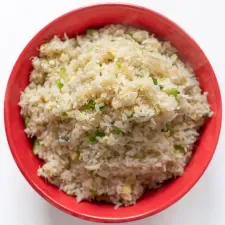
Vietnamese crab fried rice, or cơm chiên cua, pairs chilled long-grain rice with sweet lump crab, soft egg and a restrained, savoury seasoning. It cooks quickly in one pan, making it a handy weeknight meal when you have leftover rice.
Ingredients
- 907 g (2 lb)day-old cooked long-grain rice
- 57 g (4 tablespoons), dividedbutter
- 30 ml (2 tablespoons)minced garlic
- 227 g (½ lb)lump crab meat
- 3 largeeggs, beaten
- 7.5 ml (1½ teaspoons)fine sea salt
- 2.5 ml (½ teaspoon)ground black pepper
- 30 ml (2 tablespoons)mushroom seasoning powder
- 2green onions, thinly sliced
Instructions
- 1
Separate the rice
With clean, damp hands, break up any large clumps of chilled rice, gently rubbing the grains between your fingers until they separate. Set the rice aside.
- 2
Cook the crab
Melt half the butter in a large wok or skillet, then add the garlic and fry lightly until fragrant, about 1 minute. Add the crab and toss gently for 2–3 minutes.
- 3
Scramble the eggs
Move the crab mixture to the sides of the pan to clear the centre. Add the remaining butter and, once melted, pour in the beaten eggs. Scramble quickly for about 2 minutes, until just set but still soft and fluffy.
- 4
Fry the rice
Add the rice, turn the heat to high and toss everything together. Keep tossing and frying constantly for about 5 minutes to toast the rice.
- 5
Season and garnish
Add the salt, black pepper and mushroom seasoning powder, tossing constantly to distribute them evenly. Taste and adjust the seasoning if needed, then toss in the sliced green onions and serve.
What is Vietnamese crab fried rice?
Cơm chiên cua is a Vietnamese-style fried rice made with crab. Fried rice has many forms across Asia, and this version keeps the seasoning simple so the crab’s natural sweetness remains prominent.
Day-old rice, butter, garlic and eggs make a quick, satisfying base, while mushroom seasoning adds savoury depth. The ingredients come together in one pan in about 15 minutes.
Nutrition and macros by portion
The nutrition label shows one serving as written: 420 calories, 16g protein, 55g carbs, 14g fat.
| Portion | Adjustment | kcal | Protein | Carbs | Fat |
|---|---|---|---|---|---|
| Lighter | Use less butter | 294 kcal | 11g | 39g | 10g |
| This serving | As written | 420 kcal | 16g | 55g | 14g |
| Hungry | Serve a larger portion | 630 kcal | 24g | 83g | 21g |
The rice supplies most of the carbohydrates, while butter contributes much of the fat; crab and eggs provide most of the protein. Serve a portion with extra vegetables or salad for a more balanced plate.
Why use chilled rice?
Cold, day-old rice is usually firmer and less moist than freshly cooked rice, so its grains are easier to separate and fry. This helps the finished dish stay distinct rather than turning soft and clumpy.
Break up any lumps before the rice goes into the pan. Damp hands help separate the grains without crushing them.
Keep the crab tender
Lump crab is delicate, so toss it gently with the garlic and butter for just 2–3 minutes. This warms it and lets it take on the fragrance without breaking it up too much.
Once the crab is in the pan, avoid vigorous stirring. Fold and toss carefully as you add the rice and eggs.
Cook the eggs softly
Clear a space in the centre of the pan before adding the remaining butter and beaten eggs. Scramble them quickly for about 2 minutes, stopping as soon as they are set but still soft and fluffy.
The eggs will cook further when tossed with the hot rice. Taking them off the heat at this stage helps them stay tender.
Toss over high heat
Once the rice is added, raise the heat to high and keep the ingredients moving for about 5 minutes. Constant tossing helps the rice fry evenly and develop toasted notes.
Use a large wok or skillet so there is room to lift and turn the rice. If the pan is crowded, work in batches rather than letting the rice sit in a deep layer.
Season with a light hand
Mushroom seasoning powder, salt and black pepper bring savoury flavour without masking the crab. Toss continuously while adding them so the seasoning is spread through the rice.
Mushroom seasoning products vary, so taste before adding anything extra. The green onions go in at the end, keeping their colour and fresh bite.
Serve it as a meal
Serve the rice hot, straight from the wok or skillet. Its crab, egg and rice make it a substantial one-pan dish on its own.
For a more rounded plate, add a simple green salad or steamed vegetables. Their freshness contrasts nicely with the buttery, savoury rice.
Recipe notes & tips
- Use fully chilled rice and separate the clumps before heating the pan.
- Keep the crab pieces intact by tossing gently rather than stirring hard.
- Have the eggs beaten and seasonings measured before you start cooking.
- Use a large pan so the rice can be tossed rather than packed tightly.
- Add the green onions at the end to keep their fresh flavour and colour.
Variations
- Add peas: Toss in a handful of thawed peas with the rice for extra colour.
- Use prawns: Replace the crab with peeled prawns and cook them through before adding the eggs.
- Add chilli: Stir in sliced fresh chilli with the garlic for a little heat.
- Try spring onions: Use finely sliced spring onions in place of the green onions.
- Finish with lime: Serve with lime wedges for a bright, sharp contrast.
Common mistakes to avoid
- Using warm, wet rice: It can turn sticky; chill the rice first and break up the clumps.
- Frying the crab too long: It can break up and dry out; toss it gently for only 2–3 minutes.
- Overcooking the eggs: They can become firm; stop scrambling when they are just set and still soft.
- Crowding the pan: The rice may not toast evenly; use a large pan or fry in batches.
- Adding seasoning all at once: Flavour can vary by product; mix it in, taste and adjust.
How to store
Refrigerate leftovers promptly in a covered container and eat within 2 days. Reheat until steaming hot throughout in a frying pan, stirring frequently; add a small splash of water if the rice seems dry.
Frequently asked questions
Can I use freshly cooked rice?
Day-old chilled rice is best for keeping the grains separate. If using freshly cooked rice, cool it promptly and chill it before frying.
Can I use tinned crab?
Yes, drain it well and handle it gently so it does not break up too much. The flavour and texture may differ from lump crab meat.
What is mushroom seasoning powder?
It is a savoury seasoning made with mushroom flavour, often used to add umami. Products differ, so check the label and taste the rice before adding extra salt.
Do I need a wok?
No. A large, sturdy skillet works too; the key is having enough room to toss the rice over high heat.
How do I keep the rice from sticking?
Start with chilled, separated rice and a properly heated pan. Keep the rice moving once it is added.
Cook it from the original
This recipe comes from vickypham.com. Their page has the author’s own photos, notes and tips — the best place to cook it from.
Open the recipe on vickypham.com