
Easy Homemade Bolognese Sauce
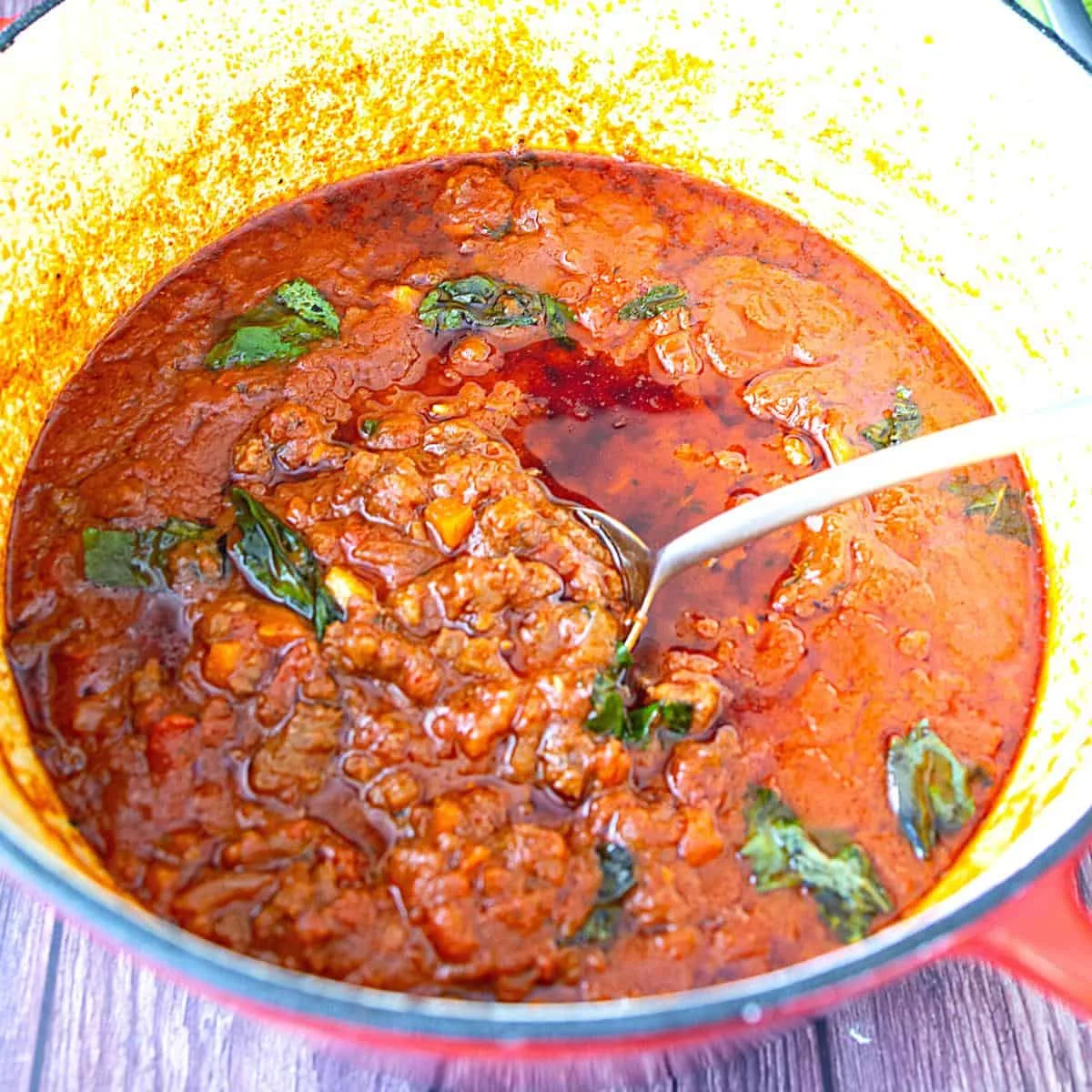
This Italian-inspired Bolognese is a slow-simmered meat and tomato sauce with a base of finely chopped vegetables, herbs and a little wine. Make it for a comforting pasta dinner, or prepare it ahead so the flavours have time to mingle.
Ingredients
- 2 tbsp (30 ml)olive oil
- 1 largered Spanish onion, finely chopped
- 2 mediumcarrots, finely chopped
- 2 mediumcelery stalks, finely chopped
- 3 largegarlic cloves, thinly sliced
- 1 1/2 lb (680 g)ground beef (20% fat)
- 4–6 oz (115–170 g)ground pork or pancetta (optional)
- 2 tspItalian seasoning
- 2 mediumbay leaves
- 28 oz (794 g)canned crushed tomatoes
- 4 tbsptomato paste
- 3/4 cup (180 ml)red wine (or white wine)
- 1/2 cup (120 ml)beef broth (or water)
- 2 tbspfresh thyme (or 1/2 tsp dried thyme)
- 1/4 cup (about 25 g)freshly grated Parmesan, plus extra for serving
- 1/2 tspkosher salt
- 1/2 tspground black pepper
- 2 tbspchopped fresh basil (or 1/2 tsp dried, plus more for garnish)
- 1/2 cup (120 ml)whole milk (optional)
Instructions
- 1
Soften the vegetables
Heat the olive oil in a Dutch oven or heavy-based sauté pan. Add the garlic, carrots, celery and onion, and sauté until the vegetables are translucent.
- 2
Brown the meat
Add the ground beef and pork, if using. Break the meat into small pieces with a wooden spoon and cook until no pink remains. Stir in the Italian seasoning and bay leaves, continuing to break up the meat as it cooks over medium heat.
- 3
Build the sauce
Add the crushed tomatoes and tomato paste, then season with the salt and pepper. Pour in the wine and cook over medium-high heat for 2 minutes. Add the beef broth or water, thyme and basil, then stir in the Parmesan.
- 4
Simmer gently
Cover the pan and cook over low heat for 1 hour, stirring every 15 minutes. Add more broth or water if needed to stop the sauce sticking to the bottom. Taste and adjust the seasoning.
- 5
Stir in milk
If using milk, add it now and turn off the heat. Stir well, then keep the sauce ready for the pasta.
What is Bolognese sauce?
Bolognese is a meat-based Italian sauce traditionally associated with Bologna and served with pasta. This home-style version combines beef, optional pork or pancetta, tomatoes and vegetables, then simmers slowly to bring the flavours together.
A finely chopped onion, carrot and celery base gives the sauce a savoury, gently sweet foundation. Wine, herbs and Parmesan add depth, while the optional milk softens the finished sauce.
Nutrition and macros by portion
The nutrition label shows one serving as written: 382 calories, 21g protein, 14g carbs, 25g fat.
| Portion | Adjustment | kcal | Protein | Carbs | Fat |
|---|---|---|---|---|---|
| Lighter | Skip pork and milk | 267 kcal | 15g | 10g | 18g |
| This serving | As written | 382 kcal | 21g | 14g | 25g |
| Hungry | Serve a larger portion | 573 kcal | 32g | 21g | 38g |
The carbohydrates come mainly from the tomatoes and vegetables, while the beef and optional pork or pancetta supply much of the protein and fat. Olive oil, Parmesan and optional whole milk also contribute fat. Serve with pasta and add vegetables or salad alongside to balance the plate.
The vegetable base
Even chopping: Cut the onion, carrots and celery into small, similarly sized pieces so they soften at a similar rate. The method starts them with the garlic in olive oil and cooks them until translucent.
Garlic: Thin slices bring a mellow flavour as they cook with the vegetables. Keep an eye on the pan so they do not catch while the other ingredients soften.
Choosing the meat
Beef: The recipe specifies ground beef with 20% fat, which contributes richness to the sauce. Break it up with a wooden spoon as it browns so the finished texture is evenly meaty.
Optional addition: Ground pork or pancetta adds another savoury note, but the sauce can be made without it. Add it with the beef and cook until the meat is no longer pink.
Building a balanced sauce
Tomatoes and paste: Crushed tomatoes form the main body of the sauce, while tomato paste intensifies its flavour. Stir them in with the seasonings before adding the wine.
Wine and herbs: The wine cooks for 2 minutes before the broth or water, thyme and basil go in. Red wine is suggested, with white wine as an alternative; bay leaves simmer with the meat and should be removed before serving.
The slow simmer
Low heat: Cover the pan and simmer for 1 hour, stirring every 15 minutes as directed. If the sauce starts catching on the bottom, add a little broth or water.
Doneness: The recipe’s cues are practical: cook the meat until no pink remains, and taste the sauce after simmering to adjust its seasoning. Stir in the optional milk only after turning off the heat.
Serving and making ahead
Serve the sauce with pasta and extra grated Parmesan, as suggested by the recipe. A green salad or cooked vegetables make a fresh counterpoint to the rich meat sauce.
The sauce can be prepared ahead for a later pasta dinner. Reheat it gently and loosen it with a little broth or water if it has thickened in storage.
Recipe notes & tips
- Chop the onion, carrots and celery finely so they soften well in the sauce.
- Break up the meat as it browns to avoid large clumps.
- Stir every 15 minutes during the hour-long simmer, as directed.
- Add broth or water if the sauce begins sticking to the pan.
- Taste after simmering and adjust the salt and pepper before serving.
- Stir in the optional milk only after turning off the heat.
Variations
- Use white wine: Swap it for the red wine if you prefer its flavour.
- Add pancetta: Use it instead of the optional ground pork for a different savoury note.
- Make it without pork: Leave out the optional meat and use the ground beef alone.
- Use dried thyme: Replace the fresh thyme with 1/2 tsp dried thyme as listed.
- Finish with milk: Stir in the optional whole milk for a softer, creamier sauce.
Common mistakes to avoid
- Rushing the vegetables: Cook them until translucent before adding the meat.
- Leaving large meat clumps: Break the beef and pork into smaller pieces as they cook.
- Skipping the stirring: Stir every 15 minutes so the sauce is less likely to stick.
- Letting the pan catch: Add broth or water if the sauce starts sticking to the bottom.
- Adding milk over heat: Turn off the heat first, then stir in the optional milk.
How to store
Cool the sauce and store it in a covered container in the refrigerator for up to 3 days, or freeze it for up to 3 months. Reheat gently on the hob until piping hot, adding a splash of broth or water if needed to loosen it.
Frequently asked questions
Can I leave out the pork or pancetta?
Yes. Both are optional; make the sauce with the ground beef alone if you prefer.
Can I use white wine instead of red?
Yes. White wine is listed as an alternative to red wine, in the same quantity.
When should I add the milk?
Add it after the sauce has simmered, then turn off the heat and stir it in.
How often should I stir the sauce?
Stir it every 15 minutes during the 1-hour simmer. Add broth or water if it starts sticking to the pan.
Can I make the sauce ahead?
Yes. Refrigerate or freeze it, then reheat gently before serving with pasta.
Cook it from the original
This recipe comes from veenaazmanov.com. Their page has the author’s own photos, notes and tips — the best place to cook it from.
Open the recipe on veenaazmanov.com