
4 Cheese Macaroni and Cheese Recipe
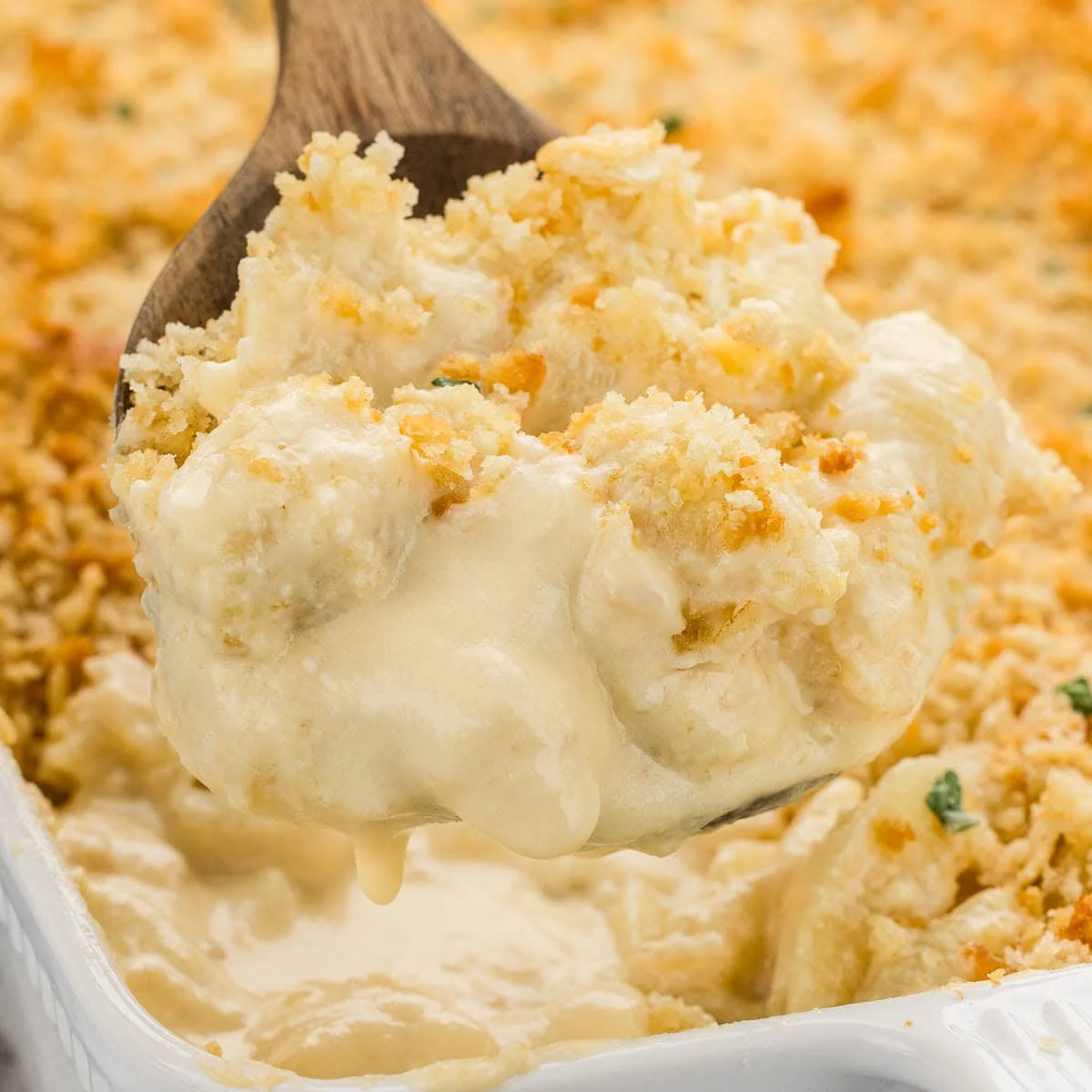
This American-style four-cheese macaroni combines a smooth, creamy cheese sauce with tender pasta and a buttery, crisp breadcrumb topping. It is a hearty baked dish for a family meal or a make-ahead gathering.
Ingredients
- 454 g (1 lb)short pasta, such as medium shells or penne
- 85 g (6 tablespoons)butter
- 47 g (6 tablespoons)plain flour
- 1 teaspoononion powder
- 1 teaspoongarlic powder
- ½ teaspoonmustard powder
- 1.25 g (¼ teaspoon), plus more for the pasta waterkosher salt
- 1.42 litres (6 cups)whole milk
- 198 g (7 oz; just over 2 cups)Gruyère cheese
- 227 g (8 oz; about 2½ cups)cheddar
- 85 g (3 oz; about 1 cup)low-moisture, part-skim mozzarella
- 85 g (3 oz; about 1 cup)Parmesan
- about 60 g (1 cup)panko breadcrumbs
- about 60 g (1 cup; almost 1 regular sleeve, crushed into small crumbs)Ritz cracker crumbs
- 57 g (4 tablespoons), meltedbutter
Instructions
- 1
Prepare the oven
Heat the oven to 218°C (425°F). Spray a 23 × 33 cm (9 × 13-inch) baking dish with non-stick spray and set it aside.
- 2
Cook the pasta
Bring a large pot of water to the boil over high heat. Add ½ teaspoon salt, then the pasta, and cook according to the packet directions, reducing the cooking time by 2 minutes. Drain and briefly rinse with cold water to stop it cooking.
- 3
Make the roux
Melt the butter in a large pot over medium heat. Add the flour, onion powder, garlic powder and mustard powder, and stir constantly for about 30 seconds to make a smooth paste and cook off the raw flour taste.
- 4
Thicken the sauce
Pour in the milk slowly while whisking vigorously to prevent lumps. Once all the milk is in, keep stirring until the sauce thickens slightly. It is ready when it coats the back of a spoon and a finger drawn through it leaves a clean line.
- 5
Melt in cheese
Take the pot off the heat. Add the shredded cheeses a handful at a time, stirring until each addition has melted smoothly before adding more. Stir in the salt and taste, adjusting if needed. For an extra-silky sauce, blend with an immersion blender for 1–2 minutes until completely smooth.
- 6
Combine pasta
If needed, gently rinse the pasta to separate the pieces, then shake off all excess water. Stir the pasta into the sauce until evenly coated, then transfer everything to the prepared baking dish.
- 7
Add topping and bake
Mix the topping ingredients in a small bowl and scatter them evenly over the pasta. Bake for 25–30 minutes, until hot and bubbling. If the topping starts to brown too quickly, cover the dish loosely with foil.
What is four-cheese macaroni and cheese?
Macaroni and cheese is an American comfort-food classic: pasta coated in a cheese sauce, often baked with a crisp topping. This version layers cheddar with Gruyère, mozzarella and Parmesan for a blend of familiar sharpness, mellow richness and savoury depth.
The sauce is thickened with a butter-and-flour roux, while the topping combines panko and crushed crackers for a crunchy finish. Baking brings the components together and gives the dish its bubbling top.
Nutrition and macros by portion
The nutrition label shows one serving as written: 1102 calories, 48g protein, 90g carbs, 61g fat.
| Portion | Adjustment | kcal | Protein | Carbs | Fat |
|---|---|---|---|---|---|
| Lighter | More vegetables, less pasta | 771 kcal | 34g | 63g | 43g |
| This serving | As written | 1102 kcal | 48g | 90g | 61g |
| Hungry | Larger portion | 1653 kcal | 72g | 135g | 92g |
The pasta supplies most of the carbohydrates, while the butter, whole milk and cheeses contribute much of the fat. The cheeses and milk also provide the protein. Balance a serving with a crisp salad or vegetables alongside.
Why use four cheeses?
Cheddar: It brings the recognisable savoury flavour and colour associated with mac and cheese.
Gruyère, mozzarella and Parmesan: Gruyère adds a nutty note, mozzarella contributes a mild, stretchy quality, and Parmesan brings a more concentrated savoury edge. Shredding the cheeses helps them melt evenly.
Keep the sauce smooth
Add the milk gradually while whisking vigorously so it blends into the roux without forming lumps. Once the sauce has thickened enough to coat a spoon, remove it from the heat before adding the cheese.
Stir in the cheese a handful at a time and let each addition melt before adding the next. The optional immersion-blender step can make the finished sauce especially even and silky.
Cook the pasta just short
Boil the pasta for 2 minutes less than the packet suggests, since it will continue cooking in the oven. Briefly rinsing it with cold water stops the cooking before it goes into the sauce.
Drain it well so excess water does not thin the sauce. If the shapes stick together after draining, the recipe allows for a gentle rinse and another thorough shake.
Watch the topping
Mix the panko and cracker crumbs with the melted butter, then spread them evenly over the pasta for a topping that can brown across the dish. Keep an eye on it as it bakes.
The recipe’s cues are a hot, bubbly centre and a browned topping. If the crumbs colour too quickly, lay foil loosely over the dish for the rest of the baking time.
Serve it with
The rich, cheesy pasta pairs well with a crisp green salad or simply cooked vegetables. A sharp, lightly dressed side offers contrast to the creamy sauce and buttery crumbs.
Let the dish settle briefly after baking so it is easier to scoop. Serve it while hot, with the crunchy topping intact.
Recipe notes & tips
- Shred the cheeses before you begin so they are ready to add gradually.
- Whisk continuously as you pour in the milk to help keep the sauce lump-free.
- Take the sauce off the heat before adding the cheese.
- Drain the pasta thoroughly so it does not add excess water to the sauce.
- Cover the dish loosely with foil if the topping is browning before the centre is hot.
- Use the spoon-and-finger test to check that the sauce has thickened before adding cheese.
Variations
- Sharper cheddar: Use a mature cheddar for a more pronounced cheddar flavour.
- Extra mustard: Add a little more mustard powder for a stronger savoury note.
- Different pasta shapes: Swap the shells or penne for another short pasta shape.
- Crispier top: Keep the crumbs spread in an even layer so they brown consistently.
- Vegetable side: Serve with steamed green vegetables or a dressed salad for contrast.
Common mistakes to avoid
- Adding milk too quickly: Pour it in gradually while whisking to help prevent lumps.
- Overcooking the pasta: Reduce the packet cooking time by 2 minutes so it can finish in the oven.
- Adding cheese over heat: Remove the pot from the hob first to help the cheese melt smoothly.
- Leaving excess water on the pasta: Drain and shake it well so the sauce is not diluted.
- Letting the topping brown too soon: Cover the dish loosely with foil and continue baking.
How to store
Refrigerate leftovers in a covered container for up to 3 days. Reheat in an oven-safe dish until piping hot throughout; cover loosely with foil if the topping is browning too quickly.
Frequently asked questions
Can I use a different pasta shape?
Yes. Choose a short shape such as medium shells or penne, as suggested in the ingredient list.
Why cook the pasta for 2 minutes less?
It continues cooking in the oven, so starting it slightly underdone helps keep it from becoming too soft.
How can I tell when the sauce is thick enough?
It should coat the back of a spoon. A finger drawn through the coating should leave a clean line.
Do I have to use an immersion blender?
No. It is an optional step for an extra-smooth sauce; stirring the melted cheese into the sauce is the main method.
Can I prevent the topping from getting too dark?
If it begins to brown too quickly during baking, cover the dish loosely with foil.
Can I prepare this ahead?
The method is written for immediate baking. If assembling it ahead, keep it covered in the fridge and allow extra time for it to heat through in the oven.
Cook it from the original
This recipe comes from borrowedbites.com. Their page has the author’s own photos, notes and tips — the best place to cook it from.
Open the recipe on borrowedbites.com