
Spanish Beef Osso Buco Recipe
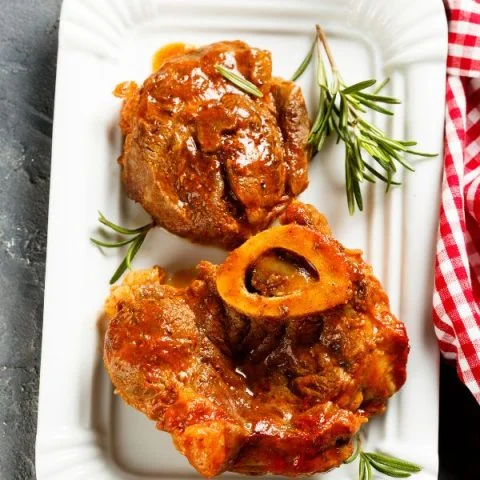
This Spanish-style beef osso buco is slow-simmered with red wine, beef broth and a base of onions, carrots, leek and garlic. It makes a comforting dinner, with a savoury vegetable sauce that can be served chunky or blended smooth.
Ingredients
- 2 kgosso buco
- 710 mlbeef broth
- 230 mlred wine
- 2onions
- 3garlic cloves
- 4carrots
- 1leek
- 2bay leaves
- to tastesalt and pepper
- 1 splasholive oil
Instructions
- 1
Prepare the vegetables
Peel and clean the vegetables, then cut them into small pieces.
- 2
Heat the oil
Add a splash of olive oil to a pot and warm it over medium heat.
- 3
Fry the vegetables
Once the oil is hot, add the vegetables, season with salt and fry them.
- 4
Brown the meat
When the vegetables have softened, add the bay leaves and osso buco. Brown the meat in the pot.
- 5
Add the wine
When the osso buco is golden on the outside, pour in the red wine and let the alcohol evaporate.
- 6
Simmer the osso buco
Add the beef broth and cook over a low heat for 50 minutes.
- 7
Finish the sauce
Serve the meat with the Spanish vegetable sauce spooned over it. For a smoother sauce, blend it, then heat it for a few minutes before serving.
What is Spanish-style beef osso buco?
Osso buco is a braised dish made with cross-cut shank; the name is Italian, while this version pairs the beef with a Spanish-inspired mix of wine, broth and vegetables. The long, gentle cook lets the meat take on the flavours of the cooking liquid.
Here, onions, carrots, leek and garlic form the sauce rather than a separate garnish. They can be left as they are for a rustic finish or blended smooth.
Nutrition and macros by portion
The nutrition label shows one serving as written: 221 calories, 16g protein, 15g carbs, 8g fat.
| Portion | Adjustment | kcal | Protein | Carbs | Fat |
|---|---|---|---|---|---|
| Lighter | More vegetables, less beef | 155 kcal | 11g | 10g | 5g |
| This serving | As written | 221 kcal | 16g | 15g | 8g |
| Hungry | Larger portion | 332 kcal | 24g | 22g | 11g |
The beef provides most of the protein, while the carrots and other vegetables contribute carbohydrates; olive oil and the beef contribute fat. Pair a serving with extra vegetables, or add a modest portion of potatoes or rice if you want a more substantial plate.
The vegetable base
Cut the vegetables into small, fairly even pieces so they soften together in the pot. Fry them until soft before adding the meat; this gives the sauce a head start while keeping the method straightforward.
Bay leaves: add them with the osso buco so their aroma infuses the braising liquid as everything cooks.
Browning and adding wine
Brown the osso buco after the vegetables have softened, turning the pieces as needed so the outside colours. Avoid rushing this stage, and work in batches if the pot is too crowded to brown the meat properly.
Wine: pour it in after the meat is golden and let it cook until the alcohol has evaporated, before adding the broth.
The low simmer
Keep the heat low for the 50-minute cooking time and let the broth simmer gently rather than boil hard. A vigorous boil can make the meat cook unevenly and reduce the liquid too quickly.
Check the meat near the end of the stated cooking time. It should be cooked through and tender enough to serve with the sauce.
Choose your sauce texture
For a chunky sauce, serve the softened vegetables as they come from the pot, spooning some broth over the meat. This keeps the vegetables’ individual textures in the finished dish.
For a smoother sauce, blend the vegetables and cooking liquid, then return the sauce to the heat for a few minutes before serving.
Serving the dish
Serve the osso buco hot with plenty of the vegetable sauce. A simple side of boiled or mashed potatoes, rice or bread can help make a meal of the braising liquid.
Add a green vegetable or a crisp salad alongside if you want a fresher contrast to the rich beef and savoury sauce.
Recipe notes & tips
- Pat the osso buco dry before browning if its surface is wet.
- Use a pot large enough to hold the meat without packing the pieces tightly together.
- Let the vegetables soften before adding the meat so they have time to form the sauce base.
- Keep the simmer gentle throughout the 50-minute cook.
- Taste the sauce before serving and adjust the salt and pepper as needed.
- Blend carefully, in batches if necessary, if your blender is not designed for hot liquids.
Variations
- Chunky sauce: leave the cooked vegetables unblended for a more rustic finish.
- Smooth sauce: blend the vegetables with the cooking liquid and warm it again before serving.
- Extra garlic: add another clove if you prefer a stronger garlic flavour.
- Herb finish: scatter chopped parsley over the dish just before serving.
- Side pairing: serve with mashed potatoes, rice or bread to accompany the sauce.
Common mistakes to avoid
- Crowding the pot: the beef may steam instead of brown; brown it in batches if needed.
- Adding wine too early: wait until the meat is golden, then let the wine cook before adding broth.
- Boiling hard: a rolling boil can reduce the liquid quickly; lower the heat to maintain a gentle simmer.
- Cutting uneven pieces: large chunks may take longer to soften; cut the vegetables into small, similar-sized pieces.
- Blending carelessly: hot liquid can splash; blend in batches and follow your blender’s instructions.
How to store
Cool leftovers promptly and store the meat and sauce in a covered container in the fridge for up to 3 days. Reheat gently in a covered pan until piping hot, adding a little water or broth if the sauce has thickened.
Frequently asked questions
Can I make the sauce smooth?
Yes. Blend the cooked vegetables with the sauce, then heat it for a few minutes before serving, as described in the method.
How long should I cook the osso buco?
The recipe calls for 50 minutes over a low heat after adding the broth. Check that the meat is cooked through and tender before serving.
What does osso buco mean?
It is an Italian name for a cut of cross-cut shank, often recognisable by the bone in the centre. This recipe prepares it with a Spanish-inspired vegetable and wine sauce.
What can I serve with beef osso buco?
Try boiled or mashed potatoes, rice or bread to go with the sauce. A green vegetable or salad also makes a good accompaniment.
Can I prepare it ahead?
Yes. Cook it in advance, cool it promptly and refrigerate it in a covered container. Reheat gently until piping hot before serving.
Cook it from the original
This recipe comes from visitsouthernspain.com. Their page has the author’s own photos, notes and tips — the best place to cook it from.
Open the recipe on visitsouthernspain.com