
Spanish Pork Chops Recipe
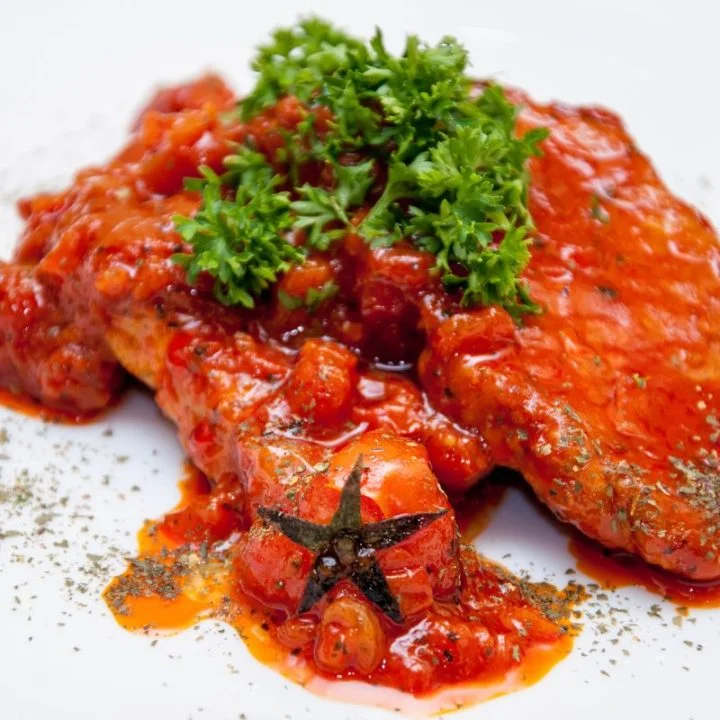
These Spanish-style pork chops are browned on the hob, then gently cooked in a tomato, wine and vegetable sauce. They make a warming alternative to barbecue cooking when the weather is too cold for the grill.
Ingredients
- 8pork chops
- 1onion
- 1carrot
- 2 clovesgarlic
- 4 tablespoonstomato paste
- 1 teaspoonpaprika
- 150 ml (1 glass)white wine
- 1bay leaf
- to tastesalt
- to tasteblack pepper
- to tasteolive oil
Instructions
- 1
Brown the chops
Season the pork chops with salt and pepper. Heat a splash of olive oil in a large pot and brown the chops; when their outsides are golden, add the bay leaf, chopped onion and carrot.
- 2
Add the flavourings
Once the onion starts to brown, stir in the chopped garlic. Add the paprika and tomato paste, mix well, then pour in the white wine.
- 3
Simmer the chops
Cook over high heat for about 3 minutes to let the alcohol evaporate. Cover the pot, turn the heat to low and cook for about 30 minutes, stirring from time to time so the food does not stick.
- 4
Blend the sauce
Remove the chops and bay leaf from the pot, then blend the sauce. Taste and adjust the salt or pepper if needed, and return the pork chops to the pot.
- 5
Serve with sauce
Serve the chops with the sauce spooned over them.
What are Spanish pork chops?
This is a Spanish-style stovetop dish of pork chops cooked in a savoury sauce rather than over a barbecue. Onion, carrot, garlic, tomato paste, paprika and white wine build a rich base around the meat.
The method suits a home kitchen: brown the chops first, then let them cook slowly in the sauce. Blending the vegetables at the end makes the sauce smooth and easy to spoon over the pork.
Nutrition and macros by portion
The nutrition label shows one serving as written: 577 calories, 37g protein, 9g carbs, 40g fat.
| Portion | Adjustment | kcal | Protein | Carbs | Fat |
|---|---|---|---|---|---|
| Lighter | Trim visible fat | 404 kcal | 26g | 6g | 28g |
| This serving | As written | 577 kcal | 37g | 9g | 40g |
| Hungry | Add potatoes or rice | 866 kcal | 56g | 13g | 60g |
The pork chops provide most of the protein and a substantial share of the fat, while the tomato paste, onion and carrot contribute carbohydrates. Serve a chop with plenty of sauce and add green vegetables or salad to balance the plate.
Build flavour in the pot
Pork chops: Browning them first develops colour on the outside and leaves browned bits in the pot to enrich the sauce. Work in batches if the chops do not fit without crowding.
Vegetables and tomato: Onion and carrot soften in the pot, while garlic, paprika and tomato paste add savoury depth. Stir the paste through before adding the wine so it coats the other ingredients.
Let the wine reduce
Wine: Give it about 3 minutes over high heat before covering the pot. This lets it reduce and blend with the tomato and vegetable base.
Low simmer: Once covered, cook the chops over low heat for about 30 minutes. Stir occasionally and check that the sauce is not catching on the bottom.
Check the texture
Chops: The recipe does not specify their thickness, so check the thickest part near the end of cooking. The pork should be cooked through; a food thermometer can help confirm doneness.
Sauce: Remove the chops and bay leaf before blending. Blend until smooth, then taste and adjust the seasoning before returning the meat to the pot.
Choose a suitable pot
A large, heavy-based pot helps brown the chops evenly and keeps the sauce at a steady simmer. It should be wide enough for the meat to sit in a single layer, or allow room to brown it in batches.
Keep the lid on during the low simmer to retain moisture. Stir carefully from time to time, especially around the base of the pot.
What to serve alongside
The smooth tomato and wine sauce is good with bread for mopping it up, or with potatoes, rice or mash for a more substantial plate. Green vegetables or a simple salad add a fresh contrast.
Spoon the sauce over the chops just before serving so each portion gets some of the blended vegetables.
Recipe notes & tips
- Pat the chops dry before browning to help them colour in the pot.
- Avoid crowding the pot; brown the chops in batches if needed.
- Chop the onion, carrot and garlic before you start cooking.
- Stir the sauce regularly during the covered simmer to prevent sticking.
- Remove the bay leaf before blending the sauce.
- Taste the blended sauce before returning the chops to the pot.
Variations
- Smoky paprika: Use smoked paprika in place of the paprika for a deeper, smoky flavour.
- Herb finish: Add chopped parsley when serving for a fresh note.
- More vegetables: Add sliced peppers with the onion and carrot.
- Thicker sauce: Simmer the blended sauce uncovered briefly before returning the chops.
- No wine: Replace the wine with stock, noting that the flavour will differ from the original.
Common mistakes to avoid
- Crowding the pot: The chops may steam instead of browning; cook them in batches.
- Adding garlic too early: It can catch while the onion browns; add it once the onion begins to colour.
- Skipping the wine reduction: Allow about 3 minutes over high heat before covering the pot.
- Cooking at too high a simmer: The sauce can stick and the chops may cook unevenly; keep the heat low once covered.
- Blending with the bay leaf: Remove it first so it is not incorporated into the sauce.
- Forgetting to taste: Check the sauce after blending and adjust salt or pepper before serving.
How to store
Refrigerate leftovers in a covered container within 2 hours and eat within 3 days. Reheat gently in a covered pot until piping hot throughout, adding a splash of water if the sauce has thickened.
Frequently asked questions
Can I make these pork chops ahead?
Yes. Cook the dish, cool it promptly and refrigerate it in a covered container. Reheat gently until piping hot throughout.
Can I use bone-in pork chops?
Yes. The recipe does not specify a cut, so bone-in chops can be used. Check the thickest part for doneness, as thickness and cooking time can vary.
Do I have to blend the sauce?
Blending is part of the method and gives the sauce a smooth texture. For a chunkier result, you can leave it unblended, but the finished sauce will be different.
How do I know when the chops are cooked?
Check the thickest part of the meat near the end of the simmer. A food thermometer is a reliable way to confirm that pork is cooked through.
What can I serve with the chops?
Try bread, potatoes, rice or mash to go with the sauce, plus green vegetables or salad.
Cook it from the original
This recipe comes from visitsouthernspain.com. Their page has the author’s own photos, notes and tips — the best place to cook it from.
Open the recipe on visitsouthernspain.com