
How to cook rice
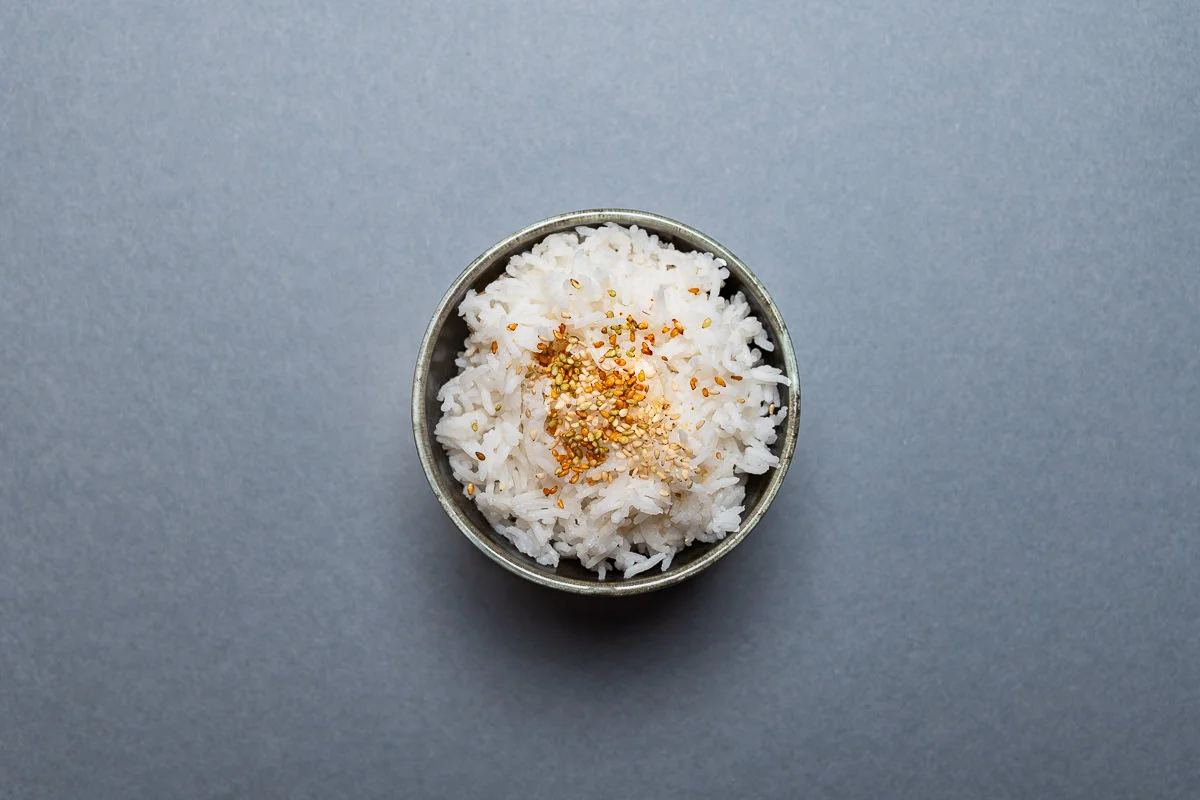
A straightforward guide to cooking plain rice in a rice cooker, from rinsing the grains to serving them fluffy and tender. The water range can be adjusted to suit the rice variety and the packet instructions.
Ingredients
- 1 cup (200–220 g)rice
- 1.5–2 cups (375–500 ml)cold water
- 1 tsp (5 ml)Ursalz (unrefined salt)
Instructions
- 1
Measure the rice
For two people having rice as a side, measure out one cup, about 200–220 g. For a main-course portion, use twice that amount.
- 2
Check the grains
Put the rice in the rice cooker’s pot and check that it looks dry, clean and fairly uniform, with a neutral or slightly nutty smell.
- 3
Soak the rice
Cover the rice with cold water. The water will usually turn cloudy as starch comes away from the grains.
- 4
Rinse repeatedly
Change the water several times. The usable rice should settle at the bottom; you can pour off floating grains, which the recipe identifies as husks.
- 5
Wash until clear
Continue rinsing the rice until the water runs clear.
- 6
Drain thoroughly
Pour away the rinsing water thoroughly.
- 7
Add water and salt
Add 1.5–2 times as much water as rice to the cooker pot, checking the packet guidance because the amount varies by variety. The recipe uses two cups of water for one cup of rice; add salt to taste or leave it out.
- 8
Set the pot
Place the prepared rice in its pot inside the rice cooker.
- 9
Close the lid
Fit the lid onto the rice cooker and close it.
- 10
Start the cooker
Switch on the rice cooker and let it cook automatically. Once cooking is complete, it will switch to its keep-warm setting.
- 11
Serve the rice
Spoon the cooked rice into a bowl. The recipe suggests decorating it with colourful sesame furikake.
What is plain cooked rice?
Plain cooked rice is a simple grain dish served across many food traditions, rather than a recipe with one particular origin. This version focuses on rinsing the grains and letting a rice cooker handle the cooking.
Basmati, jasmine, sushi rice and wild rice can all need different amounts of water and cooking times. The method’s useful starting point is to check the packet and adjust the liquid to the variety.
Nutrition and macros by portion
The nutrition label shows one serving as written: 324 calories, 7g protein, 70g carbs, 1g fat.
| Portion | Adjustment | kcal | Protein | Carbs | Fat |
|---|---|---|---|---|---|
| Lighter | Smaller rice portion | 227 kcal | 5g | 49g | 1g |
| This serving | As written | 324 kcal | 7g | 70g | 1g |
| Hungry | Double the rice | 486 kcal | 11g | 105g | 2g |
Most of the carbohydrates come from the rice, while the rice also supplies some protein. The listed recipe has very little fat; serve it with vegetables and a protein-rich dish to make a more balanced plate.
Choosing the water amount
Water ratio: the ingredient list gives 1.5–2 cups of cold water per cup of rice, while the method’s example uses two cups. Follow the rice packet when it gives variety-specific guidance.
Rice variety: different grains absorb water differently, so the range is a guide rather than a universal measure. Keep the rice and water measurements consistent when scaling the recipe.
Why rinse the rice?
Cloudy water: rinsing removes loose surface starch, which is why the water turns white at first. Keep changing it until it runs clear, as the method directs.
Draining: after the final rinse, pour off the water well before measuring in the cooking water. This helps avoid adding extra liquid unintentionally.
Using a rice cooker
Set-up: add the rinsed rice and measured water to the cooker pot, then place the pot in the appliance and close the lid. Switch the cooker on and let its automatic cycle run.
Keep warm: the recipe says the cooker changes to its keep-warm setting after cooking. Serve the rice in a bowl once it is ready.
Salt and seasoning
Salt: the recipe includes Ursalz, but says you can season to taste or omit it. Add it when you put the measured water into the cooker.
Furikake: colourful sesame furikake is suggested as a finishing touch. It is a serving suggestion, not one of the listed ingredients.
Serving it with a meal
Side portion: the recipe measures one cup of rice for two people when serving it as a side. Pair it with a dish that brings vegetables and a protein source to the plate.
Main portion: for rice as the main part of a meal, the method recommends doubling the amount. Scale the water alongside the rice and check the packet guidance.
Recipe notes & tips
- Use the rice packet’s water guidance for the specific variety.
- Rinse with cold water, changing it until it runs clear.
- Drain the rice well before adding the measured cooking water.
- Choose a water amount within the recipe’s range to suit the rice variety.
- Salt the cooking water to taste, or leave the salt out.
- Let the cooker switch to keep warm before serving.
Variations
- Skip the salt: leave it out for a plain base to season at the table.
- Add furikake: finish the served rice with colourful sesame furikake as suggested.
- Use basmati: check its packet for the appropriate water amount.
- Use jasmine rice: follow the variety’s packet instructions for liquid.
- Cook sushi rice: use the water guidance on the sushi rice packet.
Common mistakes to avoid
- Using the same ratio for every variety: check the packet because water needs differ.
- Stopping the rinse too soon: keep changing the water until it runs clear.
- Leaving rinse water behind: drain the rice thoroughly before adding cooking water.
- Guessing the quantities: measure both rice and water so the ratio stays consistent.
- Adding salt automatically: taste preferences vary, so season to taste or omit it.
How to store
The recipe does not give storage instructions. If you have leftovers, cool them promptly, refrigerate in a covered container and use within 1 day; reheat until steaming hot throughout.
Frequently asked questions
How much rice is this for?
The method uses one cup, about 200–220 g, for two people as a side. It recommends doubling the rice when serving it as a main course.
How much water should I add?
The ingredient list gives 1.5–2 cups of water per cup of rice, and the method’s example uses two cups. Check the packet for the variety you are cooking.
Do I need to rinse the rice?
The method rinses it several times, until the water runs clear. Drain it thoroughly before adding the measured cooking water.
Can I leave out the salt?
Yes. The method says salt is optional, so you can omit it or add it to taste.
How do I know when the rice is cooked?
The recipe relies on the rice cooker’s automatic cooking cycle and says it switches to keep warm when cooking is complete.
Can I cook different types of rice this way?
The cooker method can be used as a starting point, but the amount of water varies by variety. Follow the packet instructions for basmati, jasmine, sushi rice or other types.
Cook it from the original
This recipe comes from thomassixt.de. Their page has the author’s own photos, notes and tips — the best place to cook it from.
Open the recipe on thomassixt.de