
Cream Puffs
Cream puffs are light choux pastry shells baked until golden and ready to fill with pastry cream. This recipe makes a simple, adaptable base; the filling is not included, so you can choose a flavour to suit the occasion.
Ingredients
- 240 ml (1 cup)milk
- 2.5 ml (½ tsp)salt
- 12 g (1 tbsp)sugar
- 85 g (3 oz)unsalted butter
- 240 ml (1 cup; about 5 or 6 large eggs)eggs
- 120 g (1 cup)bread flour or plain flour
Instructions
- 1
Preheat the oven
Heat the oven to 220°C (425°F).
- 2
Boil the milk
In a heavy-based saucepan, bring the milk, salt, sugar and butter to the boil.
- 3
Cook the dough
Take the pan off the heat and add all the flour at once. Stir until the mixture forms a smooth ball, then return the pan to a low heat and stir for 3–5 minutes. Keep the dough from colouring; the aim is to dry it out so it can take in more egg and puff well.
- 4
Cool the dough
Remove the pan from the heat and transfer the hot dough to a stand mixer fitted with the paddle attachment. Mix for a few seconds.
- 5
Add the eggs
Add the eggs one at a time, mixing at medium speed until each is fully incorporated before adding the next. Repeat with the remaining four eggs, scraping down the bowl after each addition.
- 6
Check the texture
The dough should be soft but still hold its shape when piped. If it feels stiff, beat the sixth egg in a small bowl and mix in half of it; avoid making the dough too loose to pipe.
- 7
Pipe the mounds
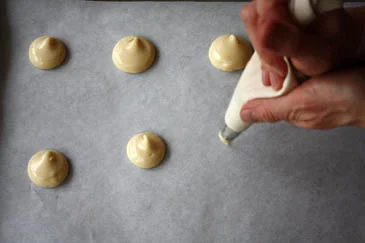
Fit a piping bag with a large round nozzle and pipe mounds about the size of a quarter, spacing them 1½ inches (about 4 cm) apart.
- 8
Bake until firm
Put the tray in the oven and bake for 10 minutes. Reduce the temperature to 180°C (350°F) and bake for a further 20–30 minutes, until the puffs are golden brown and firm.
What are cream puffs?
Cream puffs are baked shells made from pâte à choux, a French-style pastry dough cooked on the hob before eggs are mixed in. The hollow, airy shells are usually filled after baking, but this recipe leaves the filling open to your choice.
The method relies on cooking moisture into the dough first, then adding enough egg to make it pipeable. A good balance gives the shells structure while they puff in the oven.
Nutrition and macros by portion
The nutrition label shows one serving as written: 340 calories, 13g protein, 29g carbs, 25g fat.
| Portion | Adjustment | kcal | Protein | Carbs | Fat |
|---|---|---|---|---|---|
| Lighter | Smaller shells, lighter filling | 238 kcal | 9g | 20g | 18g |
| This serving | As written | 340 kcal | 13g | 29g | 25g |
| Hungry | Larger portion | 510 kcal | 20g | 44g | 38g |
Most of the carbohydrates come from the flour, with additional carbohydrate from the milk and sugar; butter and eggs provide much of the fat, while the eggs, milk and flour contribute protein. These estimates are for the unfilled shells, so add any filling separately; a serving of fresh fruit alongside can balance the plate.
Choosing the flour
Flour choice: bread flour or plain flour can be used here. Bread flour may give the shells a slightly sturdier structure, while plain flour makes a suitable everyday option.
Drying the dough
On the hob: stir the flour mixture over low heat for 3–5 minutes without letting it brown. This step dries the dough so it can absorb the eggs, which are essential to its final texture.
Adding eggs: mix them in one at a time and scrape down the bowl between additions. The amount the dough can take depends on how much moisture was cooked off, so use the texture check before adding the optional sixth egg.
Getting the right consistency
Pipeable dough: it should feel soft but keep its shape when piped. If it is still stiff, add half of the beaten sixth egg; if it is already loose, do not add more.
Baking for a crisp shell
Two temperatures: the initial 10 minutes at 220°C (425°F) are followed by 20–30 minutes at 180°C (350°F). Look for shells that are golden and firm, rather than relying on colour alone.
Oven timing: the recipe gives a range for the second bake, so check the puffs towards the earlier end. Avoid taking them out while they still feel soft.
Filling and serving
Filling: let the shells cool before adding pastry cream, as a hot shell can soften the filling. This recipe does not specify a filling or give instructions for making one.
Serving: fill close to serving time for the best contrast between the pastry shell and cream. A few fresh berries alongside make a simple accompaniment.
Recipe notes & tips
- Measure the eggs by volume as well as counting them, since egg sizes vary.
- Add each egg only after the previous one has been fully mixed into the dough.
- Scrape down the mixing bowl after each egg addition so the dough stays even.
- Pipe the mounds evenly and leave about 4 cm between them.
- Use the golden colour and firm feel as cues for the end of baking.
Variations
- Vanilla cream: fill the cooled shells with vanilla pastry cream.
- Chocolate filling: use chocolate pastry cream for a richer variation.
- Coffee cream: flavour the filling with coffee to taste.
- Smaller puffs: pipe smaller mounds and begin checking them earlier.
- Fruit finish: serve the filled puffs with berries on the side.
Common mistakes to avoid
- Dough browning on the hob: keep the heat low and stir continuously while drying it.
- Adding eggs all at once: mix them in individually so you can judge the consistency.
- Overly runny dough: add the optional sixth egg gradually and stop if the dough is already pipeable.
- Uneven mounds: pipe similar-sized portions so they bake at a similar rate.
- Removing the shells too soon: bake until golden and firm, checking during the final 20–30 minutes.
How to store
Keep unfilled, cooled shells in an airtight container at room temperature for up to 1 day; they may soften over time. Re-crisp them briefly in a warm oven and cool before filling. Filled cream puffs are best served promptly and should be refrigerated if not eaten straight away.
Frequently asked questions
Can I use plain flour instead of bread flour?
Yes. The recipe allows either bread flour or plain flour.
Do I need to use all six eggs?
No. The method first adds five eggs, then suggests mixing in half of a sixth only if the dough still feels stiff.
How do I know when the dough is ready to pipe?
It should be soft but hold its shape when piped. Avoid adding so much egg that it becomes runny.
Why are my shells not firm?
They may need more time in the oven. Continue baking within the recipe's 20–30 minute second stage until the shells are golden and firm.
Can I fill the puffs before baking?
No; bake the shells first and let them cool before adding pastry cream. The filling is not included in this recipe.
Cook it from the original
This recipe comes from zoebakes.com. Their page has the author’s own photos, notes and tips — the best place to cook it from.
Open the recipe on zoebakes.com