
Pulihora Recipe | Andhra Style Pulihora Recipe
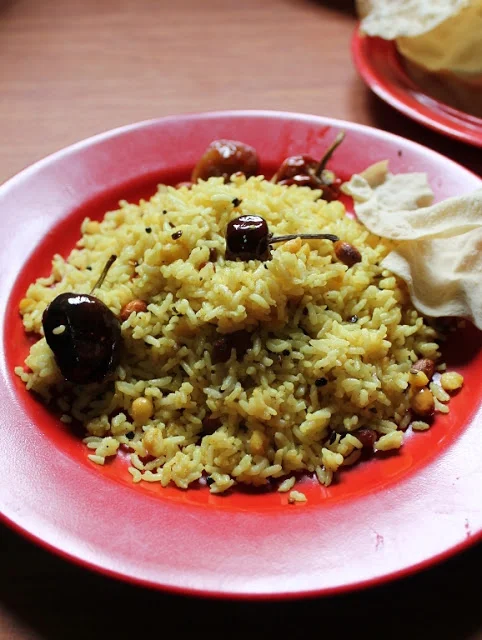
Andhra-style pulihora is tangy, spiced rice tossed with cooked tamarind and a crisp, chilli-flecked tempering. This pressure-cooker version makes a hearty one-pot meal or a flavourful dish to serve with papad and pickle.
Ingredients
- 200 grice
- 4 tbsp (about 30 g)split channa dal
- 60 mltamarind pulp
- 60 mloil
- 1 tspmustard seeds
- 4 tbsp (about 36 g)raw peanuts
- 1 tbsp (about 8 g)split channa dal
- 1 tbsp (about 10 g)urad dal
- 1 tspcumin seeds
- 6dried red chillies
- 1 sprigcurry leaves
- 1 tspturmeric powder
- to tastesalt
- 600–720 mlwater, for cooking the rice
- 120 mlwater, for cooking the tamarind pulp
Instructions
- 1
Cook the rice
Rinse the rice and 4 tbsp of split channa dal together, then put them in a pressure cooker with 600–720 ml water.
- 2
Release the pressure
Pressure-cook for 3 whistles, then turn off the heat and let the pressure release on its own. Open the cooker and fluff the rice and dal with a fork.
- 3
Cook the tamarind
Combine the tamarind pulp with 120 ml water and bring it to the boil. Cook until thickened and the raw smell has gone. If using whole tamarind, soak it in warm water for 15 minutes, squeeze out the pulp, strain it, then continue as directed.
- 4
Mix in tamarind
Pour the cooked tamarind pulp over the rice and mix well. Heat the oil in a kadai, then add the seasoning ingredients in the listed order and fry over a low heat for 2–3 minutes, until toasted.
- 5
Add the seasoning
Pour the seasoning over the rice and mix thoroughly.
- 6
Serve the pulihora
Serve hot with papad and pickle.
What is pulihora?
Pulihora is a South Indian rice dish known for its sour, savoury seasoning; the name is often associated with tangy rice. It is especially familiar in Andhra-style cooking, where tamarind and a spiced tempering give the rice its distinctive flavour.
This version cooks rice with split channa dal in a pressure cooker, then combines it with cooked tamarind and toasted spices. Peanuts and lentils add crunch and make each serving more substantial.
Nutrition and macros by portion
The nutrition label shows one serving as written: 500 calories, 12g protein, 69g carbs, 21g fat.
| Portion | Adjustment | kcal | Protein | Carbs | Fat |
|---|---|---|---|---|---|
| Lighter | Use less oil | 350 kcal | 8g | 48g | 15g |
| This serving | As written | 500 kcal | 12g | 69g | 21g |
| Hungry | Serve a larger portion | 750 kcal | 18g | 104g | 32g |
The rice supplies most of the carbohydrates, while the oil and peanuts contribute much of the fat; the lentils and peanuts also provide protein. Serve it with vegetables or a fresh salad to add variety and balance the plate.
The rice and dal
Rice and dal: rinse them together before pressure-cooking so the grains cook evenly. The 3-whistle cooking time is the method’s cue; let the pressure fall naturally before opening the cooker.
Fluff gently with a fork after cooking, then mix in the tamarind without crushing the rice. The result should be well combined but not mashed.
Cooking the tamarind
Tamarind pulp: simmer it with 120 ml water until it thickens and loses its raw smell. This step concentrates its tang before it is mixed through the rice.
Whole tamarind: soak it in warm water for 15 minutes, squeeze out the pulp and strain it before cooking. Straining helps keep fibrous pieces and seeds out of the finished dish.
Getting the tempering right
Low heat: fry the seasoning ingredients in the stated order for 2–3 minutes. Keep the heat gentle so the dals, peanuts and spices toast rather than scorch.
Toasting: look for a lightly toasted aroma and a little colour on the nuts and lentils. Take the pan off the heat if the chillies or curry leaves begin to darken too quickly.
Texture and flavour
Tamarind: the cooked pulp should be thick enough to coat the rice rather than leave it watery. Mix thoroughly so the sour flavour is spread through the dish.
Crunch: peanuts and toasted dals provide contrast to the soft rice. Add the seasoning while it is fresh from the pan so its toasted flavours carry through the rice.
How to serve it
On the side: serve the pulihora hot with papad and pickle, as suggested in the recipe. Their crispness and sharp flavour complement the tangy rice.
For a fuller plate, pair it with a simple vegetable side. Keep any extra pickle modest if you want the tamarind to remain the main sour note.
Recipe notes & tips
- Let the pressure release naturally before opening the cooker.
- Fluff the cooked rice and dal gently so they do not turn mushy.
- Cook the tamarind pulp until thick and no longer raw-smelling before mixing it in.
- Fry the seasoning over low heat and keep it moving to prevent scorching.
- Mix the tamarind and seasoning through the rice in stages for an even coating.
- Serve soon after mixing for the best contrast between soft rice and crunchy seasoning.
Variations
- Extra peanuts: add more toasted peanuts if you want additional crunch.
- Milder chillies: use fewer dried red chillies for a gentler heat.
- Whole tamarind: soak, squeeze and strain it as described in the method if you do not have pulp.
- More tang: adjust the amount of cooked tamarind pulp to suit your taste.
- Fresh finish: serve with extra curry leaves on the side for a more pronounced herbal aroma.
Common mistakes to avoid
- Opening too soon: wait for the pressure to release naturally before opening the cooker.
- Watery tamarind: keep simmering the pulp until it thickens and its raw smell fades.
- Scorched seasoning: use low heat and fry for only 2–3 minutes.
- Mashing the rice: fluff and combine gently with a fork or spoon.
- Skipping the strain: strain pulp made from whole tamarind to remove seeds and fibres.
How to store
Cool leftovers promptly and refrigerate in a covered container for up to 3 days. Reheat until steaming hot, adding a small splash of water if the rice has become dry.
Frequently asked questions
Can I use leftover cooked rice?
Yes, you can mix cooked rice with the prepared tamarind pulp and seasoning. Skip the pressure-cooking step and make sure the rice is hot when serving.
Can I use whole tamarind instead of pulp?
Yes. Soak it in warm water for 15 minutes, squeeze out the pulp and strain it, then cook the pulp as directed.
How do I know when the tamarind is cooked?
It should thicken as it simmers, and its raw smell should disappear.
Can I make it less spicy?
Use fewer dried red chillies. Keep the rest of the seasoning method the same.
What should I serve with pulihora?
The recipe suggests papad and pickle. A simple vegetable side also works well.
Why let the cooker release pressure naturally?
That is the method’s instruction before opening the cooker. Once it is safe to open, fluff the rice and dal gently with a fork.
Cook it from the original
This recipe comes from yummytummyaarthi.com. Their page has the author’s own photos, notes and tips — the best place to cook it from.
Open the recipe on yummytummyaarthi.com