
Instant Dosa Mix Recipe - Bachelor Recipes
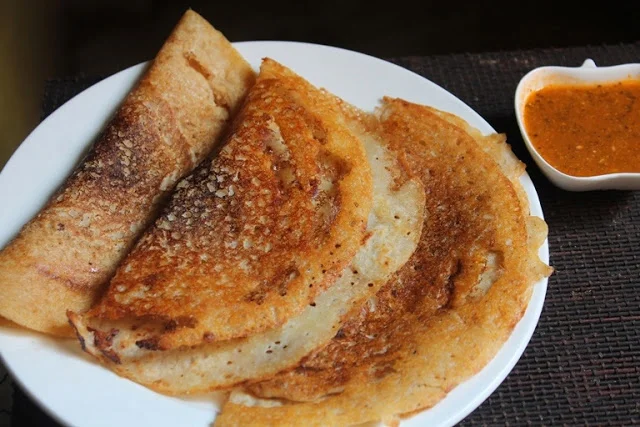
This instant dosa mix combines rice flour, urad dal flour, poha and sooji in a ready-to-store blend. Mix a portion with water when you want crisp, savoury dosas without preparing each flour from scratch.
Ingredients
- 300 g (2 1/2 cups)roasted rice flour
- 60 g (1/2 cup)urad dal flour
- 32 g (4 tbsp)gram flour (besan)
- 25 g (1/2 cup)poha (flattened rice)
- 85 g (1/2 cup)sooji (rava)
- 6 g (2 tsp)fenugreek seed powder
- 12 g (1 tbsp)powdered sugar
- 5 g (1 tsp), optionalEno fruit salt or baking soda
- As neededwater
- To tastesalt
- As neededoil, for cooking
Instructions
- 1
Roast and grind
Dry-roast the poha, sooji and urad dal flour for a few minutes. Transfer them to a blender and grind to a fine powder.
- 2
Toast the flours
Lightly roast the rice flour and gram flour, then set them aside.
- 3
Combine the mix
Put all the ingredients in a bowl and mix thoroughly.
- 4
Store the mix
Transfer the flour mix to an airtight container.
- 5
Make the batter
For each batch of dosas, take some mix and add water to make a batter. Add salt and stir well. If you are not fermenting the batter, add the optional Eno fruit salt or baking soda; omit it if you are fermenting.
- 6
Cook the dosas
Heat a tawa and spoon on some batter, spreading it into a thin dosa. Drizzle oil around the edges and cook until golden. Flip and cook for a few more minutes, then serve.
What is instant dosa mix?
Dosa is a South Indian savoury pancake traditionally made from a fermented rice-and-lentil batter. This pantry-friendly version uses rice flour and urad dal flour, with poha and sooji helping build its texture.
Roasting and grinding the poha, sooji and urad flour makes a convenient dry blend. Add water when you are ready to cook, and choose whether to ferment the batter or use a little raising agent for an unfermented version.
Nutrition and macros by portion
The nutrition label shows one serving as written: 310 calories, 9g protein, 66g carbs, 2g fat.
| Portion | Adjustment | kcal | Protein | Carbs | Fat |
|---|---|---|---|---|---|
| Lighter | Use less oil | 217 kcal | 6g | 46g | 1g |
| This serving | As written | 310 kcal | 9g | 66g | 2g |
| Hungry | Make an extra dosa | 465 kcal | 14g | 99g | 3g |
Most of the carbohydrates come from the rice flour, poha and sooji, while the urad dal flour and besan contribute some protein. Oil used on the tawa supplies most of the added fat; serve with sambar or a vegetable side to make the plate more varied.
Why roast the flours?
Poha, sooji and urad dal flour: Dry-roasting these ingredients before grinding helps remove excess moisture and makes them easier to blend finely.
Rice flour and besan: Toast these separately and only lightly, as the recipe directs. Let them cool before mixing with the other ingredients so the stored blend stays dry.
Getting the batter right
Water: Add it gradually until the batter can spread across the tawa in a thin layer. The recipe does not specify a fixed amount, so adjust by feel rather than pouring it all in at once.
Resting or raising: For a fermented batter, leave out the Eno or baking soda. For a quick, unfermented batter, use the optional raising agent; follow its packet guidance if you are unsure how much to use.
Spreading and cooking
A hot tawa helps the batter set as it spreads. Pour it on and work outwards into a thin round layer; if it resists spreading, the batter may be too thick or the pan may need a little more heat.
Look for a golden underside before flipping. Cook the second side for a few more minutes, as the method specifies, and serve once it is cooked through.
Make the dry mix ahead
The dry blend can be prepared in advance and kept in an airtight container. Make sure the roasted ingredients have cooled before packing them away.
For the best texture, mix only the amount of batter you plan to cook. Add salt to the batter rather than to the whole stored container.
What to serve with dosas
Serve the dosas hot with coconut chutney, tomato chutney or sambar. These add moisture and savoury contrast to the crisp edges.
For a more substantial meal, pair them with a vegetable curry or potato masala. Keep the accompaniments ready before cooking, since dosas are best served straight from the tawa.
Recipe notes & tips
- Let the roasted ingredients cool before grinding and storing the mix.
- Blend the poha, sooji and urad dal flour until fine for a smoother batter.
- Add water gradually so you can control how easily the batter spreads.
- Preheat the tawa before adding batter, then adjust the heat to prevent scorching.
- Cook the first dosa as a test and adjust the batter thickness or pan heat if needed.
Variations
- Fermented batter: Leave out the Eno or baking soda and ferment the prepared batter before cooking.
- Quick batter: Add the optional Eno fruit salt or baking soda when you are skipping fermentation.
- Spiced batter: Stir finely chopped green chilli, ginger or fresh herbs into the batter just before cooking.
- Chutney pairing: Serve with coconut or tomato chutney for a bright, savoury accompaniment.
- Heartier plate: Add potato masala or a vegetable curry alongside the dosas.
Common mistakes to avoid
- Grinding while warm: Heat can encourage moisture in storage; let the roasted ingredients cool first.
- Adding water all at once: The batter may become too thin; pour gradually and mix between additions.
- Using a cool tawa: Batter can spread unevenly; heat the pan before pouring.
- Making the dosa too thick: It may not cook evenly; spread the batter into a thin layer.
- Forgetting the raising agent: An unfermented batter may lack lift; add the optional Eno or baking soda if not fermenting.
How to store
Keep the completely cooled dry mix in an airtight container in a cool, dry cupboard; use it within about a month for best quality. Refrigerate prepared batter and use within 1–2 days. Reheat cooked dosas briefly on a hot tawa.
Frequently asked questions
Can I make dosas without fermenting the batter?
Yes. The recipe suggests adding the optional Eno fruit salt or baking soda when you skip fermentation.
Do I need Eno or baking soda if I ferment the batter?
No. The recipe says to leave out both when fermenting the batter.
How much water should I add?
There is no quantity specified. Add it gradually until the batter spreads into a thin layer on the tawa.
Why is my dosa difficult to spread?
The batter may be too thick, or the tawa may not be hot enough. Thin the batter with a little water or adjust the heat.
Can I prepare the mix ahead of time?
Yes. Once the roasted ingredients have cooled and the mix is combined, store it in an airtight container.
Cook it from the original
This recipe comes from yummytummyaarthi.com. Their page has the author’s own photos, notes and tips — the best place to cook it from.
Open the recipe on yummytummyaarthi.com