
Easy Brioche Loaf Recipe
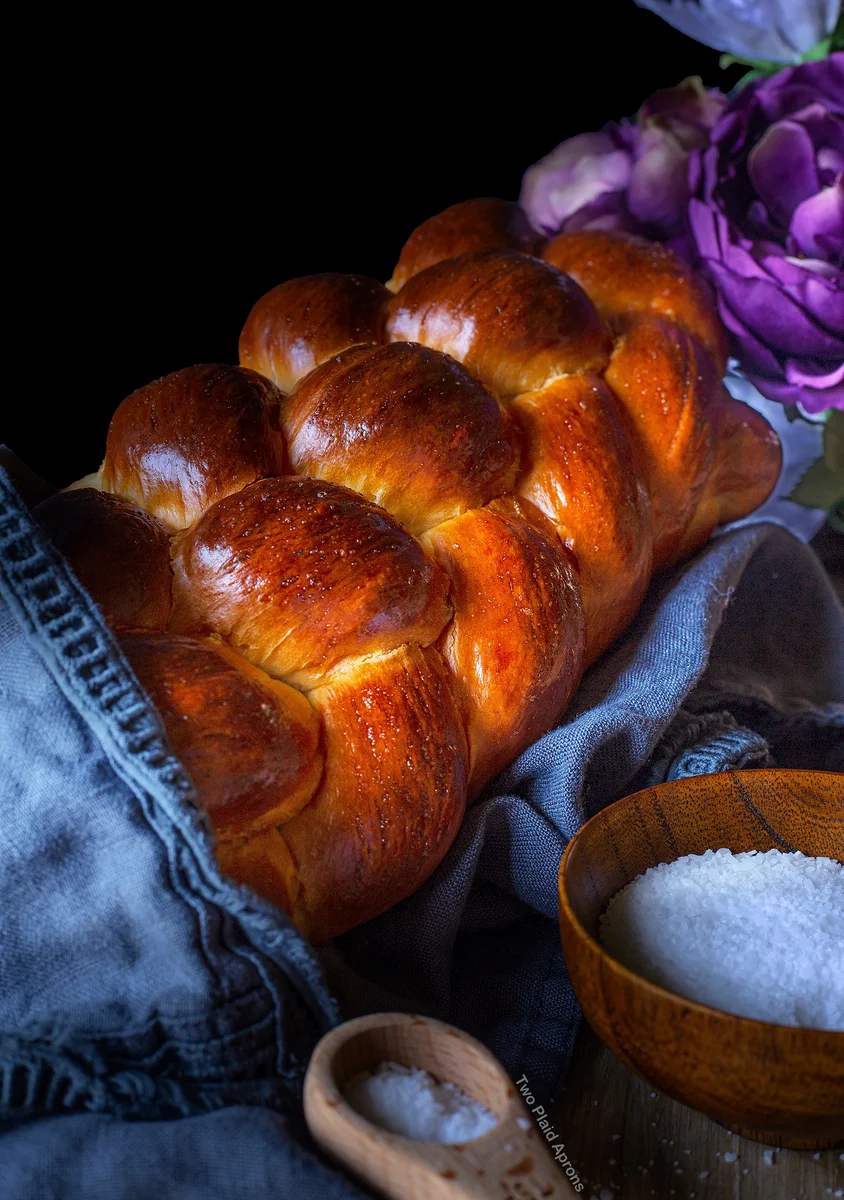
This French-style brioche is a soft, buttery loaf with a tender crumb and a shiny egg-washed crust. Serve it for breakfast, or save slices for French toast.
Ingredients
- 120 ml (½ cup)milk, warmed to about 35°C (95°F)
- ½ teaspoon (about 1.5 g; roughly ¼ packet)active dry yeast
- 270 g (2¼ cups)plain flour
- 25 g (2 tablespoons)granulated sugar
- ¼ teaspoon (about 1.5 g)salt
- 1 largeegg
- 57 g (4 tablespoons, or ½ stick)unsalted butter, softened
- 1 large egg white, mixed with 7.5 ml (½ tablespoon) wateregg white for the egg wash
Instructions
- 1
Activate the yeast
Stir the warmed milk, about 35°C (95°F), with the active dry yeast. Leave for 3–5 minutes, stirring occasionally, until the yeast granules have dissolved.
- 2
Combine ingredients
In the bowl of a stand mixer, stir together the flour, sugar and salt. Add the egg and the milk with dissolved yeast, then mix on low speed with the dough hook until a shaggy dough forms.
- 3
Add the butter
Add the softened butter and knead on medium-low for about 5 minutes, until the dough comes together. If needed, briefly help the mixer by working the dough by hand as the butter incorporates.
- 4
Knead the dough
Once the dough has come together, raise the speed to medium-high and knead for 5–8 minutes, until it is smooth, elastic and supple.
- 5
Proof the dough
Shape the dough into a ball and return it to the bowl. Cover and leave in a warm place until doubled in size, about 45 minutes; the time depends on the warmth of the spot.
- 6
Punch down dough
When the dough has doubled, punch it down to release the air. Fold the edges into the centre all the way around, then transfer the dough to a clean work surface.
- 7
Shape the loaf
For a plain loaf, roll the dough into an oval with its long side parallel to you. Place your hands behind it and pull or tuck it towards you several times, until the top is smooth and taut. Tuck the ends underneath and transfer the dough to a loaf tin.
- 8
Wash and proof
Beat the egg white with 7.5 ml (½ tablespoon) water until loosened; it does not need to foam. Brush the loaf with a layer, cover it and leave to proof until it is about 90% of the way to doubled.
- 9
Bake the loaf
Heat the oven to 175°C (350°F). When the dough is about 90% proofed, brush it with another layer of egg wash. Bake for about 25 minutes, until the top is golden and the centre is cooked through: it should register at least 82°C (180°F), or an inserted toothpick should come out clean.
- 10
Cool the brioche
Leave the loaf in the tin for 5–10 minutes, then remove it and cool completely on a wire rack.
What is brioche?
Brioche is a French enriched bread, made with ingredients such as eggs and butter for a soft, tender crumb. This loaf keeps the method straightforward while still bringing those rich, buttery qualities to the table.
The gradual mixing and kneading help bring the dough together, while the egg-white wash gives the loaf a glossy, golden finish. Its mild sweetness suits breakfast, toast and French toast.
Nutrition and macros by portion
The nutrition label shows one serving as written: 1691 calories, 45g protein, 248g carbs, 57g fat.
| Portion | Adjustment | kcal | Protein | Carbs | Fat |
|---|---|---|---|---|---|
| Lighter | Smaller, thinner slice | 1184 kcal | 31g | 174g | 40g |
| This serving | As written | 1691 kcal | 45g | 248g | 57g |
| Hungry | Larger slice | 2537 kcal | 68g | 372g | 86g |
The flour and sugar provide most of the carbohydrates, while butter and egg contribute much of the fat. The flour, egg, milk and yeast also contribute protein. Serve a slice with fruit or yoghurt to add freshness and balance the plate.
Choosing and preparing the ingredients
Milk and yeast: Warm the milk to about 35°C (95°F), rather than making it hot, and stir until the yeast granules dissolve. This gives the yeast a chance to disperse before it meets the flour.
Butter: Use softened butter so it can work into the dough more easily. Add it after the flour, sugar, salt, egg and yeast mixture have formed a shaggy dough.
Egg wash: The egg white is beaten with a little water and used in two layers. It should be loosened, not whipped into foam.
Working the enriched dough
Butter can make the dough look slippery or uneven at first. Keep kneading on medium-low for about 5 minutes, helping by hand briefly if necessary, until the dough comes together.
Then knead on medium-high for 5–8 minutes. The dough is ready for its first proof when it feels smooth, elastic and supple rather than rough or crumbly.
Proofing by appearance
First rise: Cover the dough and leave it somewhere warm until it has doubled, which takes about 45 minutes in the recipe. The actual time varies with the temperature of the room.
Second rise: After shaping and brushing with egg white, cover the loaf again. Let it rise until it is about 90% of the way to doubled; watch the dough rather than relying only on the clock.
Shaping a plain loaf
Tension: After rolling the dough into an oval, pull or tuck it towards you several times to make the top smooth and taut. This gives the loaf a neat outer surface.
Ends: Tuck both ends underneath before placing the dough in the loaf tin. This keeps the shaped loaf compact as it proofs and bakes.
Checking when it is baked
The loaf takes about 25 minutes at 175°C (350°F), but use the cues as well as the timer. Look for a golden top and check that the centre is cooked through.
The recipe gives a centre temperature of at least 82°C (180°F), or a clean toothpick as an alternative check. If the loaf is only slightly under, the residual heat will continue cooking it as it rests.
Serving and using leftovers
Let the loaf cool completely on a wire rack before slicing, so the crumb has time to settle. Serve it plain or toasted for breakfast.
Slices also work well for French toast, especially when you have some loaf left over. Pair a slice with fruit or yoghurt for a more balanced breakfast plate.
Recipe notes & tips
- Measure the milk at about 35°C (95°F) before mixing it with the yeast.
- Use softened, not melted, butter so it can incorporate into the dough.
- If the butter is slow to mix in, briefly help work it through by hand.
- Give the dough enough time to rise; the warmth of the room affects proofing.
- Use both the golden colour and the centre-temperature check to judge doneness.
- Cool the loaf fully on a wire rack before slicing.
Variations
- Braided loaf: Use the recipe's six-strand braiding method instead of shaping a plain loaf.
- French toast: Use leftover slices as the base for French toast.
- Breakfast toast: Toast slices and serve them with a topping of your choice.
- Smaller servings: Slice the cooled loaf more thinly for smaller portions.
Common mistakes to avoid
- Milk too hot: Warm it to about 35°C (95°F) so it is not hotter than the recipe specifies.
- Butter added too soon: Wait until the flour mixture, egg and yeast mixture have formed a shaggy dough.
- Stopping early: Knead until the dough is smooth, elastic and supple, not just combined.
- Proofing by the clock alone: Look for the dough to double on the first rise and approach doubled on the second.
- Skipping the second wash: Brush the loaf again just before baking for the recipe's egg-washed finish.
- Slicing while hot: Let the loaf cool completely on a rack before cutting.
How to store
Once completely cool, keep the loaf in an airtight container at room temperature and use within a few days. Rewarm slices briefly in a toaster or low oven; leftover slices can also be used for French toast.
Frequently asked questions
How warm should the milk be?
The recipe specifies about 35°C (95°F). Stir the yeast into the warmed milk and wait 3–5 minutes for the granules to dissolve.
How long does the dough need to proof?
The first rise takes about 45 minutes, but the time depends on how warm the area is. Let it double in size, then proof the shaped loaf until it is about 90% of the way to doubled.
What if the butter does not mix in easily?
Continue kneading on medium-low for about 5 minutes. The recipe suggests briefly helping the mixer by working the dough by hand while the butter incorporates.
How can I tell when the loaf is baked?
The top should be golden and the centre cooked through. Check for a centre temperature of at least 82°C (180°F), or use the recipe's toothpick test: it should come out clean.
Can I make this as a braid?
Yes. The recipe mentions a six-strand braid as an alternative shape; use the loaf-tin shaping method for a plain loaf.
What can I do with leftover brioche?
Use it for French toast, as suggested in the recipe, or toast slices for breakfast.
Cook it from the original
This recipe comes from twoplaidaprons.com. Their page has the author’s own photos, notes and tips — the best place to cook it from.
Open the recipe on twoplaidaprons.com