
Chicken Teriyaki
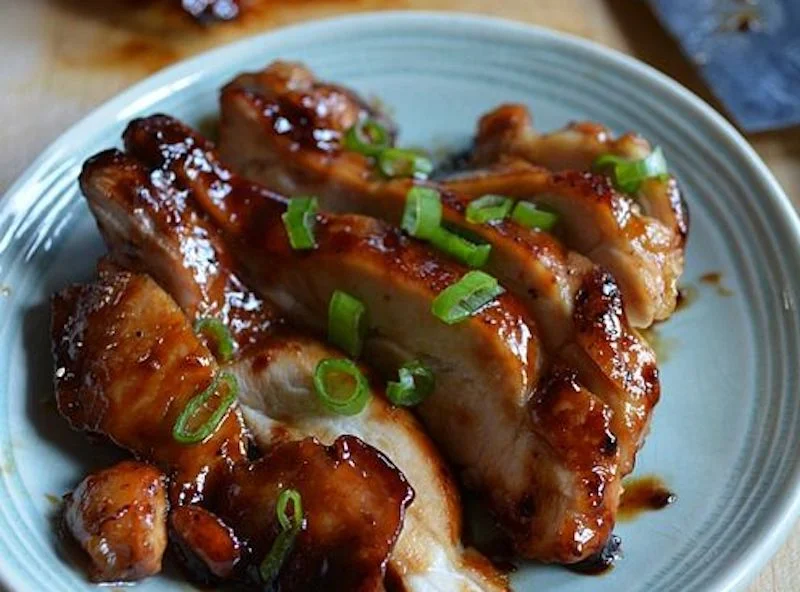
Chicken teriyaki pairs tender, pan-cooked chicken thighs with a glossy sauce of mirin, sake, soy sauce and sugar. Make the sauce ahead, then finish the chicken in the pan for a quick, savoury-sweet meal with rice.
Ingredients
- 120 ml (½ cup)mirin (shop-bought or homemade)
- 60 ml (¼ cup)sake
- 60 ml (¼ cup)Japanese soy sauce or regular soy sauce
- 30 ml (2 tablespoons)sugar
- 4 largeboneless, skinless chicken thighs
- to tastekosher salt
- to tasteblack pepper
- a small splashrapeseed oil
- 1spring onion (green part only), cut into rings, and/or ground sansho pepper
Instructions
- 1
Reduce the sauce
Combine the mirin and sake in a small saucepan and heat over medium-low for 5 minutes. Add the soy sauce and sugar, stirring until the sugar dissolves. Bring the mixture to a simmer and cook for 20 to 25 minutes, until it has reduced by about a third and thickened; it should make a generous 120 ml (½ cup). Set aside to cool and concentrate. Use it or keep it in a jar in the fridge for up to a week, bringing it back to room temperature before use.
- 2
Cook the chicken
Rinse the chicken thighs and pat them dry with kitchen paper. Prick them with a toothpick or fork to help the flavours penetrate, then season with salt and pepper. Heat a medium frying pan over medium heat and add a small splash of oil. Cook the thighs smooth-side down for 3 minutes, or until lightly golden underneath. Turn them over, reduce the heat to medium-low or low and cover the pan. Keep the heat gentle, with a soft hiss, and cook for 8 minutes, or until just cooked through.
- 3
Glaze the thighs
Add about 30 ml (2 tablespoons) of the sauce to the pan and turn the chicken to coat. Raise the heat to medium and cook in the bubbling sauce for 3 to 5 minutes, turning often, until the thighs have a glossy reddish-brown coating. The pan will contain some rendered chicken fat along with the darkened teriyaki sauce.
- 4
Rest and serve
Transfer the chicken to a plate and leave it to cool for 5 to 10 minutes. Slice across the grain, arrange on a serving plate and finish with spring onion and/or sansho pepper. Serve with rice.
What is chicken teriyaki?
Teriyaki is a Japanese cooking style in which food is cooked and finished with a shiny, sweet-savoury glaze. This version uses chicken thighs and a sauce based on mirin, sake, soy sauce and sugar.
The sauce is reduced separately before some of it is used to coat the chicken. That gives it time to thicken, while the thighs stay tender through gentle covered cooking.
Nutrition and macros by portion
The nutrition label shows one serving as written: 390 calories, 36g protein, 12g carbs, 22g fat.
| Portion | Adjustment | kcal | Protein | Carbs | Fat |
|---|---|---|---|---|---|
| Lighter | Use less glaze | 273 kcal | 25g | 8g | 15g |
| This serving | As written | 390 kcal | 36g | 12g | 22g |
| Hungry | Add extra rice | 585 kcal | 54g | 18g | 33g |
The chicken thighs provide most of the protein and fat, while the sugar and mirin contribute carbohydrates. Soy sauce adds much of the sodium, and the recipe’s rice accompaniment would add further carbohydrates. Serve with a generous portion of vegetables and a measured portion of rice to balance the plate.
A sauce worth making ahead
Mirin and sake: Heating them together first gives the alcohol time to cook off before the soy sauce and sugar go in. A slow simmer then reduces the mixture to a concentrated, pourable sauce.
Soy sauce: Japanese soy sauce or regular soy sauce both work here. Since soy sauce is salty, season the chicken lightly at first.
Get the thighs ready
Dry surfaces: Patting the chicken dry helps it colour in the pan instead of steaming in surface moisture.
Small pricks: Piercing the thighs with a toothpick or fork gives the seasoning and sauce more ways to reach the meat. Avoid cutting deep slashes, which could make the pieces cook unevenly.
Cook gently, then glaze
Initial browning: Start smooth-side down over medium heat and give the thighs 3 minutes to colour. Turn them before lowering the heat and covering the pan.
Covered cooking: The gentle hiss is a cue that the heat is low enough for the chicken to cook steadily. Check that the thickest part is cooked through before adding the sauce.
Glossy finish: Once the sauce goes in, raise the heat to medium and turn the chicken often. Stop when the glaze clings to the thighs with a reddish-brown shine.
Rest before slicing
Leave the cooked thighs for 5 to 10 minutes before cutting them. This gives the juices time to settle and makes slicing easier.
Cut across the grain into strips, then spoon over any glaze left in the pan. Spring onion adds a fresh finish; sansho brings a distinctive peppery note.
What to serve with it
Plain rice is the suggested accompaniment and soaks up the extra sauce. Steamed greens or another simply cooked vegetable can round out the plate without competing with the glaze.
Serve the chicken soon after slicing, while the coating is still shiny. Keep extra sauce separate so everyone can add it to taste.
Recipe notes & tips
- Bring refrigerated sauce back to room temperature before using it.
- Use a medium pan that gives the thighs room to sit flat.
- Keep the covered chicken at a gentle hiss rather than a hard sizzle.
- Turn the thighs often once the sauce is bubbling so they glaze evenly.
- Slice across the grain after resting the chicken for 5 to 10 minutes.
Variations
- Add ginger: Stir a little finely grated ginger into the sauce for a warmer aromatic note.
- Use chicken breast: Choose similar-sized pieces and watch them closely, as they may cook faster than thighs.
- Add garlic: Add finely grated garlic to the sauce for a more savoury flavour.
- Finish with sesame: Sprinkle toasted sesame seeds over the sliced chicken before serving.
- Make it spicy: Add chilli to the sauce or serve it alongside the finished chicken.
Common mistakes to avoid
- Wet chicken: Pat the thighs dry before they go into the pan so they can brown.
- Too much heat under the lid: Keep the pan at a gentle hiss to avoid scorching the underside.
- Crowding the pan: Cook in batches if the thighs cannot sit in a single layer.
- Adding sauce too soon: Cook the thighs through first, then glaze them so the sugar does not burn during the longer cooking.
- Slicing immediately: Rest the chicken for 5 to 10 minutes before cutting to help keep it juicy.
How to store
Keep leftover chicken in an airtight container in the fridge for up to 3 days. Reheat gently in a covered pan with a splash of water or sauce, until piping hot; the glaze may thicken as it cools.
Frequently asked questions
Can I make the teriyaki sauce ahead?
Yes. The recipe says the reduced sauce can be stored in a jar in the fridge for up to a week. Bring it back to room temperature before using.
Can I use regular soy sauce?
Yes, regular soy sauce is an option. Season the chicken with salt sparingly, since the sauce is already salty.
How do I know the chicken is cooked?
The method describes cooking it covered for 8 minutes over low heat, until just cooked through. Check the thickest part of a thigh before adding the glaze.
What can I use instead of sansho?
The recipe also suggests spring onion as a garnish, so you can simply use that. Sansho is optional.
What should I serve with chicken teriyaki?
Serve it with rice, as suggested in the recipe. Simply cooked greens or vegetables make a suitable additional side.
Cook it from the original
This recipe comes from vietworldkitchen.com. Their page has the author’s own photos, notes and tips — the best place to cook it from.
Open the recipe on vietworldkitchen.com