
Tomato Raita / Tomato Yogurt Dip (Indian style)
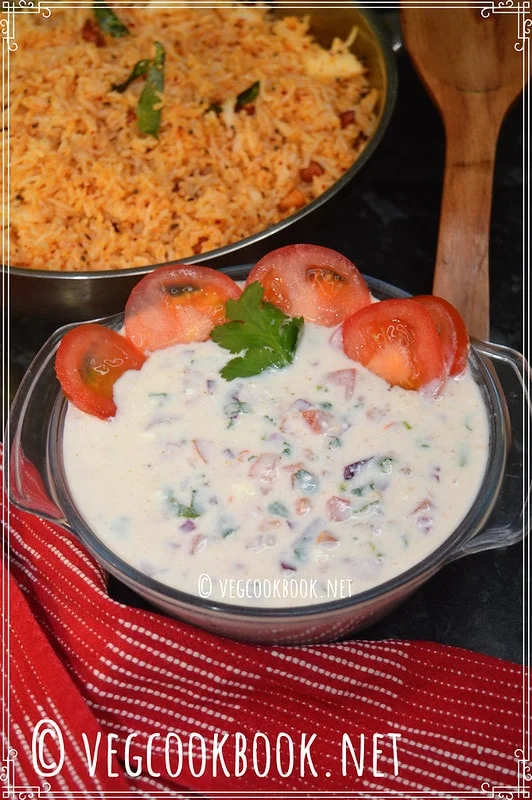
This quick North Indian-style tomato raita combines thick yoghurt with chopped tomato, onion, green chilli and coriander. It needs no cooking and makes a fresh, tangy dip or side dish in just five minutes.
Ingredients
- 240 mlHomemade thick curds or plain yoghurt
- 2.5 mlSalt, or to taste
- 5 mlSugar
- 1 small wedgeLemon
- 1 smallFresh green chilli
- 2 smallRipe tomatoes
- 1 smallRed onion
- 4–5 sprigsFresh coriander leaves
- 1.25 mlGround cumin
Instructions
- 1
Prepare the ingredients
Finely chop the onion, tomatoes, coriander and green chilli. Put the curds in a mixing bowl and beat until smooth.
- 2
Add the seasonings
Add the sugar, salt, ground cumin, juice from the lemon wedge, chopped onion, tomatoes, chilli and coriander to the curds. If you like, squeeze a few pieces of chopped tomato by hand as you add them to release some juice.
- 3
Mix and serve
Stir everything together thoroughly. The raita is ready to serve.
What is tomato raita?
Raita is a yoghurt-based Indian side dish, often served alongside a meal to bring a cool, tangy contrast. This North Indian-style version combines fresh tomato with onion, chilli and coriander.
Thick curds give it a creamy base, while a little lemon and cumin add brightness and warmth. It is a no-cook recipe, so the chopping and mixing are all that is needed.
Nutrition and macros by portion
The nutrition label shows one serving as written: 50 calories, 4g protein, 8g carbs, 3g fat.
| Portion | Adjustment | kcal | Protein | Carbs | Fat |
|---|---|---|---|---|---|
| Lighter | Use low-fat plain yoghurt | 35 kcal | 2g | 6g | 2g |
| This serving | As written | 50 kcal | 4g | 8g | 3g |
| Hungry | Serve with extra flatbread | 75 kcal | 5g | 12g | 4g |
The yoghurt provides most of the protein and fat, while the sugar and vegetables contribute the carbohydrates; the tomatoes and onion also add a little fibre. Pair a serving with a source of protein and vegetables for a more filling, balanced plate.
Choose the right yoghurt
Thick curds: Use plain, unsweetened yoghurt with enough body to hold the chopped vegetables. Beat it first to smooth out any lumps.
Consistency: If your yoghurt is thinner, the raita will be looser once the tomatoes release their juice. A thicker yoghurt keeps the finished dip more spoonable.
Chop for an even texture
Small pieces: Finely chop the onion, tomatoes, chilli and coriander so they are distributed through each spoonful. Keeping the pieces a similar size also makes the dip easier to scoop.
Tomato juice: Squeezing a few chopped pieces into the bowl is optional. It gives the yoghurt a more tomato-rich flavour and a slightly looser texture.
Balance the seasoning
Salt and sugar: Salt seasons the yoghurt and vegetables, while the small amount of sugar softens the tomato's acidity. Taste after mixing and adjust the salt to suit your ingredients.
Lemon and cumin: Lemon juice brings a sharper tang, and ground cumin adds an earthy note. Add the juice from the wedge rather than the peel.
Adjust the chilli
Mild version: Remove the chilli's seeds before chopping, or use less if you prefer a gentler dip. The recipe calls for one small chilli, but heat can vary from one chilli to another.
More heat: Keep the seeds or finely chop the chilli into the mixture. Stir well so the heat is spread through the yoghurt.
Serve it fresh
At the table: Serve the raita as a cool accompaniment to Indian meals, or offer it as a dip with flatbreads. Its creamy, tangy character also pairs well with spiced rice and grilled foods.
Timing: The recipe takes about five minutes and is best served soon after mixing, while the vegetables are fresh and crisp.
Recipe notes & tips
- Beat the yoghurt before adding the chopped ingredients to make the base smooth.
- Chop the vegetables finely so they mix evenly through the raita.
- Taste the mixture after stirring before adding more salt.
- Squeeze only a few tomato pieces if you want a juicier dip.
- Remove the chilli seeds for a milder result.
Variations
- Milder chilli: Remove the seeds or use less chilli for a gentler flavour.
- Extra cumin: Add a little more ground cumin for a stronger earthy note.
- More coriander: Increase the fresh coriander for a greener, herbier dip.
- Thicker raita: Use very thick curds and skip squeezing the tomato pieces.
- Tangier finish: Add a little more lemon juice to taste.
Common mistakes to avoid
- Large vegetable pieces: They make the dip uneven; chop the ingredients finely.
- Unbeaten yoghurt: Lumps remain in the base; beat the curds before adding anything else.
- Too much tomato juice: The raita can turn watery; squeeze only a few pieces if desired.
- Overdoing the chilli: Heat can overwhelm the other flavours; start with one small chilli and adjust next time.
- Adding salt without tasting: The yoghurt and vegetables may need less than expected; taste after mixing.
How to store
Keep leftovers in a covered container in the fridge and use within a day. Stir before serving; this no-cook dip is best eaten chilled and should not be reheated.
Frequently asked questions
Can I make tomato raita ahead of time?
You can chop the vegetables and prepare the yoghurt separately ahead of time, then mix them shortly before serving. Once combined, the tomatoes release moisture and soften.
Can I use Greek yoghurt?
Yes. Plain Greek yoghurt works well, though it makes a thicker raita; loosen it with a little water if you prefer a softer consistency.
How can I make it less spicy?
Remove the chilli seeds or use only part of the chilli. You can also leave the chilli out.
Why has my raita become watery?
Tomatoes release liquid after they are chopped and mixed with salt. Use thick yoghurt and mix the raita close to serving time.
What should I serve with tomato raita?
Serve it with flatbreads, spiced rice or an Indian meal as a cool, tangy side. It also works as a dip for grilled foods.
Cook it from the original
This recipe comes from vegcookbook.net. Their page has the author’s own photos, notes and tips — the best place to cook it from.
Open the recipe on vegcookbook.net