
Find the ultimate foodie gift with Selfridges Christmas hampers #ad
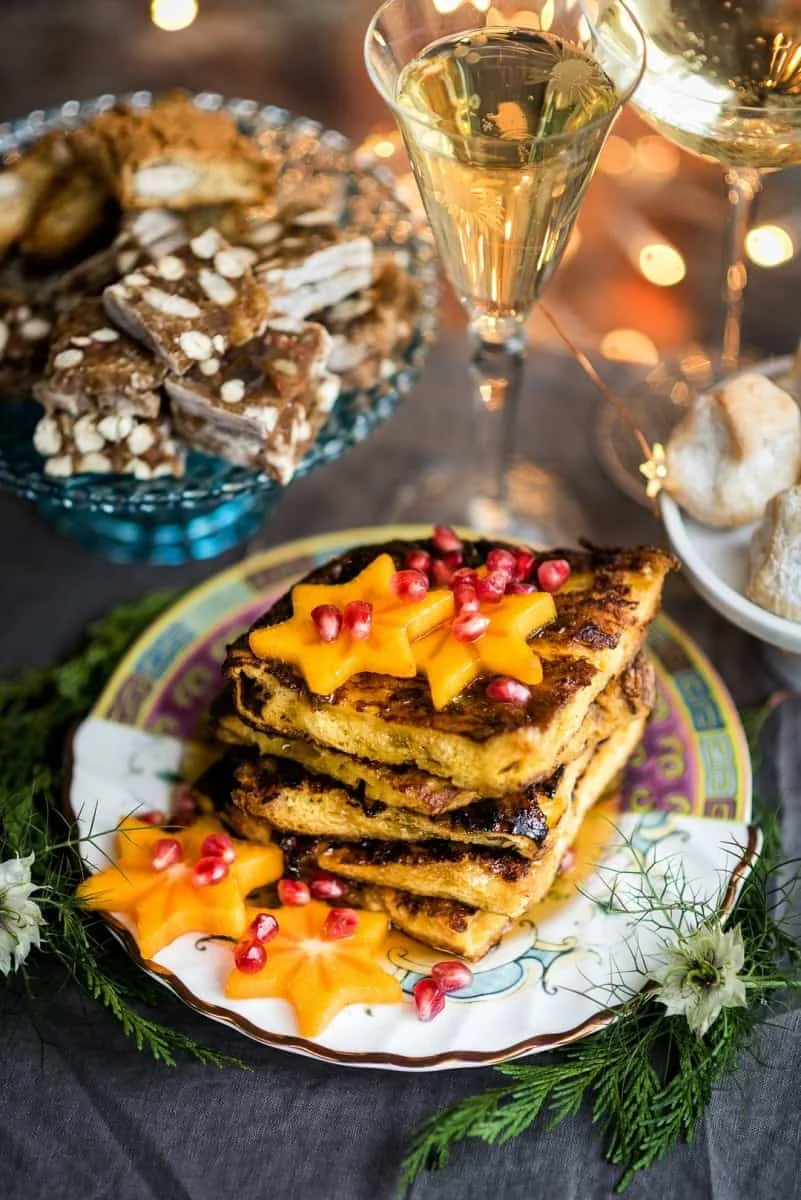
This quick French toast turns leftover panettone into a golden, custardy breakfast or brunch, finished with fruit, syrup and a dusting of icing sugar. It takes just 9 minutes and is easy to double.
Ingredients
- 2large thick slices of stale panettone, cut into quarters
- 30–45 ml (2–3 tablespoons)double cream
- 125 ml (½ cup)whole milk
- 15 ml (1 tablespoon)sugar
- 5 ml (1 teaspoon)vanilla extract
- 28 g (2 tablespoons) unsalted butter + 15 ml (1 tablespoon) grapeseed oilunsalted butter and grapeseed oil
- Not specifiedeggs, mentioned in the method but not listed with a quantity
- To servemaple syrup or agave syrup
- To servefresh citrus slices or persimmon slices
- To servepomegranate seeds
- To serveicing sugar, for dusting
Instructions
- 1
Mix the custard
In a large, shallow bowl, whisk together the eggs, cream, milk, sugar and vanilla extract.
- 2
Dip the panettone
Dip the panettone pieces into the egg mixture, letting them absorb some but not become completely saturated.
- 3
Fry until golden
Heat the butter and oil in a non-stick frying pan. Working in batches, fry the panettone for about 2 minutes on each side, until golden.
- 4
Add the toppings
Serve warm with citrus or persimmon slices, pomegranate seeds and a generous drizzle of maple syrup. Dust with icing sugar for a snowy finish.
What is panettone French toast?
French toast is made by dipping bread in an egg mixture and frying it until golden. This version uses panettone, the Italian enriched bread traditionally enjoyed at Christmas, making it a handy way to use up a few leftover slices.
Panettone’s sweet, buttery crumb pairs well with the creamy coating and fresh fruit. Stale slices are especially useful because they can soak up some of the mixture without falling apart as easily.
Nutrition and macros by portion
The nutrition label shows one serving as written: 450 calories, 9g protein, 53g carbs, 23g fat.
| Portion | Adjustment | kcal | Protein | Carbs | Fat |
|---|---|---|---|---|---|
| Lighter | Use less syrup | 315 kcal | 6g | 37g | 16g |
| This serving | As written | 450 kcal | 9g | 53g | 23g |
| Hungry | Add another slice | 675 kcal | 14g | 80g | 35g |
Panettone and the added sugar supply most of the carbohydrates, while butter, oil and cream contribute much of the fat. The eggs and milk provide protein, though the egg quantity is not specified in the ingredient list, so nutrition is only an estimate. Serve with plenty of citrus or persimmon alongside to balance the sweet, rich toast.
Choosing the panettone
Stale bread: slightly dry panettone absorbs the egg mixture while keeping its shape. Cut the thick slices into quarters as specified so they are easier to dip and fry.
Fresh panettone: if yours is soft and very fresh, dip it briefly and handle it gently to avoid oversaturating the crumb.
Getting the dip right
Shallow bowl: a wide, shallow dish makes it easier to coat the pieces evenly. Turn each piece so it takes on some mixture, then lift it out before it becomes soggy.
Egg mixture: the recipe mentions eggs in the method but does not give a quantity in its ingredient list. Use the recipe’s original egg quantity if available; the other custard ingredients are listed as cream, milk, sugar and vanilla.
Frying to a golden finish
Fat combination: butter brings flavour, while grapeseed oil is used alongside it in the pan. Heat both before adding the panettone.
Batch cooking: fry the pieces in batches for about 2 minutes per side. They are ready when golden on both sides; avoid crowding the pan so they can brown.
Fruit and finishing touches
Citrus or persimmon: either gives the rich, sweet toast a fresh contrast. Add the slices when serving so they keep their texture.
Syrup and sugar: maple or agave syrup adds sweetness, while a light dusting of icing sugar gives the plate its snowy finish. Scatter over pomegranate seeds for a tart pop.
Timing and serving
Quick cooking: the stated total time is 9 minutes, so prepare the fruit and toppings before you start frying. The panettone cooks quickly once it hits the hot pan.
Serve the toast warm, straight after cooking. It makes a festive breakfast or brunch, and can be doubled for a larger table.
Recipe notes & tips
- Use stale panettone if possible; it is less likely to break apart during dipping.
- Keep the bowl shallow so you can turn the pieces without crushing them.
- Dip briefly and remove the panettone before it becomes saturated.
- Cook in batches rather than packing the frying pan tightly.
- Prepare the fruit and syrup before frying so the toast can be served warm.
Variations
- Use agave: drizzle it over the warm toast instead of maple syrup.
- Choose citrus: serve with fresh citrus slices for a bright, tangy topping.
- Try persimmon: use persimmon slices in place of citrus.
- Add pomegranate: scatter the seeds over the toast for a tart contrast.
- Double the batch: double the ingredients to serve more people, frying in batches.
Common mistakes to avoid
- Oversoaking the bread: dip until it absorbs some mixture, then lift it out before it turns soggy.
- Using soft, fresh slices: dip them briefly and handle them gently so they hold together.
- Crowding the pan: fry in batches so the pieces can brown evenly.
- Skipping the preheat: heat the butter and oil before adding the panettone for a golden finish.
- Leaving toppings until later: prepare them first so the toast is served warm.
How to store
This is best eaten warm straight after frying. If you have leftovers, refrigerate them in a covered container and reheat in a frying pan until warmed through; the recipe does not specify a storage duration.
Frequently asked questions
Can I use fresh panettone?
Yes, but dip it briefly and handle it carefully, as fresh panettone can become soft quickly. Stale slices are easier to work with.
How long should I fry each piece?
The method says about 2 minutes per side, until golden. Fry in batches if needed.
Can I double the recipe?
Yes. The recipe notes that it can be doubled; cook the panettone in batches so the pieces have room to brown.
What can I use instead of maple syrup?
Agave syrup is listed as an alternative. You can also choose citrus or persimmon as the fruit topping.
Why use stale panettone?
Stale slices can take up some of the egg mixture while keeping their structure better than very soft bread.
How many eggs should I use?
The method calls for eggs, but the ingredient list does not give a quantity. Check the original recipe for the intended amount before cooking.
Cook it from the original
This recipe comes from supergoldenbakes.com. Their page has the author’s own photos, notes and tips — the best place to cook it from.
Open the recipe on supergoldenbakes.com