
The Best Way to Make Hard Boiled Eggs
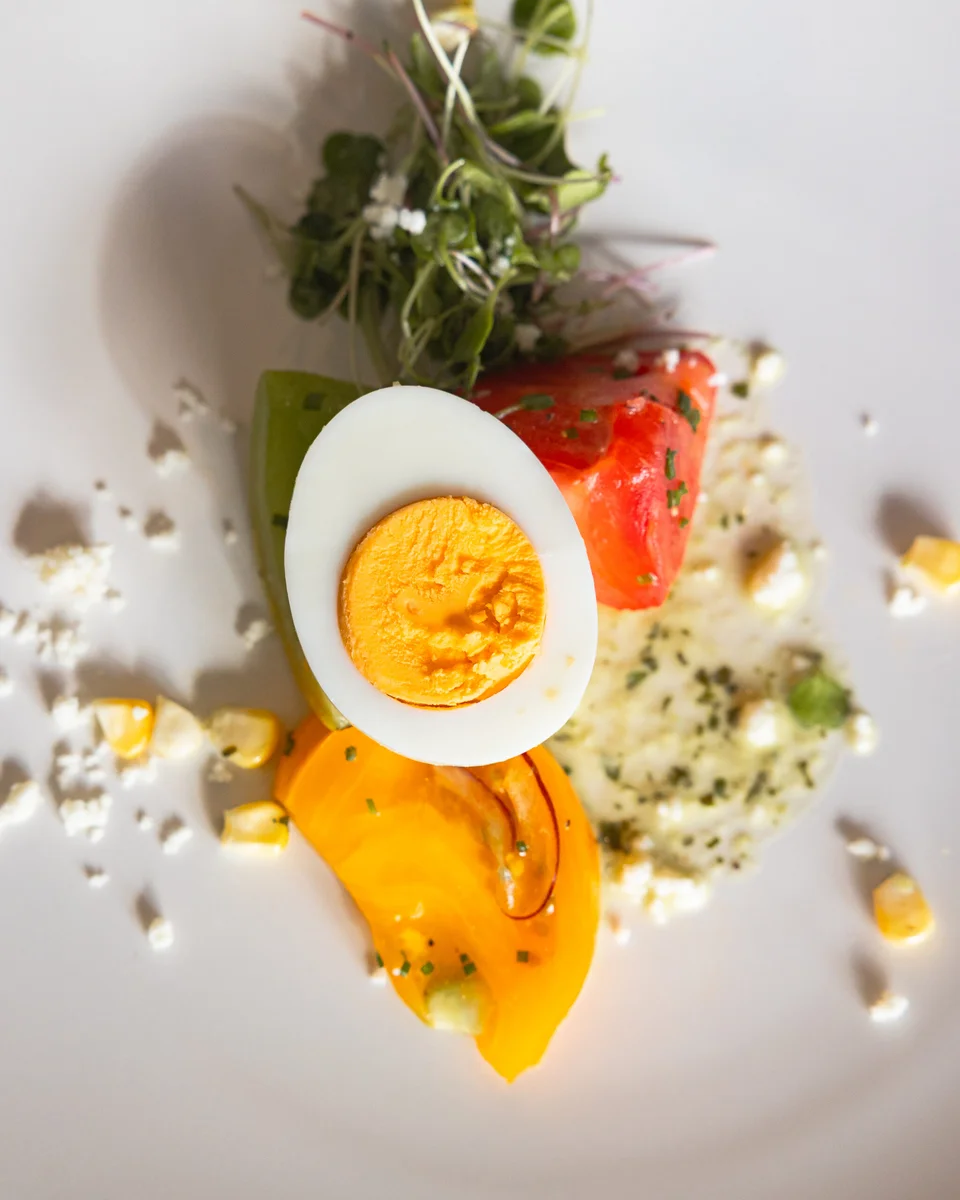
This American method makes firm hard-boiled eggs with creamy yolks, using residual heat after the water reaches a boil. An ice bath cools them quickly and helps make peeling easier.
Ingredients
- 12 largeeggs
Instructions
- 1
Arrange the eggs
Place the eggs in a single layer in a medium or large saucepan, leaving enough room so they are not crowded.
- 2
Cover with water
Add enough cold water to cover the eggs by about 2.5 cm (1 inch). If you like, add a pinch of salt or a splash of vinegar to the water.
- 3
Bring to the boil
Set the saucepan over a medium-high heat and bring the water to a rolling boil. Cover the pan with a lid, then take it off the heat.
- 4
Set the timer
Leave the covered pan for 10–12 minutes: use 10 minutes for slightly softer centres or 12 minutes for fully set yolks.
- 5
Prepare an ice bath
While the eggs cook, fill a large bowl with ice and cold water.
- 6
Cool the eggs
As soon as the timer goes off, transfer the eggs to the ice bath with a slotted spoon. Leave them there for at least 5–10 minutes, until completely cool.
- 7
Peel the eggs
Gently tap each egg on a hard surface to crack the shell, then peel it under a little cold running water.
- 8
Store safely
For the best storage, keep the eggs unpeeled in a lidded container. Eat unpeeled eggs within 5 days, and peeled eggs within a day or two.
What are hard-boiled eggs?
Hard-boiled eggs are cooked in their shells until the whites and yolks are set. They are a familiar American staple, served as a snack, packed for lunches or used to make devilled eggs.
This method takes the pan off the heat once the water boils, then relies on the covered pan to finish cooking the eggs. The timed rest and ice bath help give you control over the yolk and stop the cooking promptly.
Nutrition and macros by portion
The nutrition label shows one serving as written: 216 calories, 19g protein, 1g carbs, 14g fat.
| Portion | Adjustment | kcal | Protein | Carbs | Fat |
|---|---|---|---|---|---|
| Lighter | Serve two eggs | 151 kcal | 13g | 1g | 10g |
| This serving | As written | 216 kcal | 19g | 1g | 14g |
| Hungry | Add another egg | 324 kcal | 28g | 2g | 22g |
The eggs provide most of the protein and fat in a serving, with very little carbohydrate; water used for cooking adds no meaningful macros. Pair the eggs with vegetables or fruit and a wholegrain side for a more varied plate.
Why use this cooking method?
Residual heat: Once the water reaches a rolling boil, the covered pan continues to cook the eggs off the hob. Keep the lid on during the timed rest so the heat stays in the pan.
Room to cook: Arrange the eggs in a single layer without crowding. This helps them heat evenly and makes them easier to handle when transferring.
Choosing the yolk texture
Ten minutes: Choose the shorter timing for a yolk that is slightly softer in the centre.
Twelve minutes: Use the longer timing when you want the yolks fully set. Start the timer after covering the pan and removing it from the heat.
The ice bath matters
Cold water and ice: Prepare the bowl while the eggs are cooking so it is ready as soon as the timer ends. Moving the eggs straight into it stops them cooking further.
Cooling time: Leave the eggs in the bath for at least 5–10 minutes, until cool all the way through. This also makes them more comfortable to peel.
Peeling without a struggle
Crack gently: Tap each egg against a hard surface to break the shell without crushing the egg beneath it.
Running water: Peel under a little cold water, which can help rinse away loose shell fragments as you work.
Ways to serve them
Simple snack: Serve the peeled eggs as they are, or season them at the table. They also make a handy addition to a packed lunch.
Devilled eggs: Halve the eggs and use the yolks for a filling. For a fuller meal, pair an egg with salad, vegetables or toast.
Recipe notes & tips
- Use a pan large enough to hold all the eggs in a single layer.
- Have the ice bath ready before the cooking timer ends.
- Keep the lid on during the off-heat cooking time.
- Choose 10 or 12 minutes according to how set you want the yolks.
- Peel the eggs under a little cold running water to help clear away shell pieces.
Variations
- Season at serving: Add salt and pepper to the peeled eggs just before eating.
- Make devilled eggs: Halve the eggs and use the yolks to prepare a filling.
- Add to a salad: Slice the cooked eggs over a salad for a more filling meal.
- Serve on toast: Pair a peeled egg with toast for a simple snack or light meal.
Common mistakes to avoid
- Crowding the pan: The eggs may cook less evenly; arrange them in a single layer with room around them.
- Starting the timer too early: Wait until the water boils, cover the pan and remove it from the heat before timing.
- Leaving out the lid: The pan can lose heat during the resting time; keep it covered while the eggs cook.
- Delaying the ice bath: The eggs continue cooking in their shells; transfer them as soon as the timer ends.
- Peeling while very hot: The eggs are harder to handle; cool them in the ice bath first.
How to store
Store hard-boiled eggs unpeeled in a lidded container and eat them within 5 days. If peeled, keep them covered in the fridge and eat them within a day or two.
Frequently asked questions
How long should I cook the eggs?
After the water reaches a rolling boil, cover the pan and remove it from the heat. Leave the eggs for 10 minutes for slightly softer centres or 12 minutes for fully set yolks.
Do I keep the saucepan on the heat while the eggs cook?
No. Once the water boils, cover the saucepan and take it off the heat for the timed cooking period.
Is the ice bath necessary?
It cools the eggs and stops them cooking further. The method also recommends it to make peeling easier.
Should I add salt or vinegar to the water?
They are optional. The method suggests a pinch of salt or a splash of vinegar, but neither is required.
How long do hard-boiled eggs keep?
Keep unpeeled eggs in a lidded container and eat them within 5 days. Peeled eggs should be eaten within a day or two.
Why are my eggs difficult to peel?
Peeling can be fiddly, so cool the eggs in an ice bath for at least 5–10 minutes, then crack the shell gently and peel under cold running water.
Cook it from the original
This recipe comes from thecuriousplate.com. Their page has the author’s own photos, notes and tips — the best place to cook it from.
Open the recipe on thecuriousplate.com