
Punjabi Kadhi Pakora (Stovetop and Instant Pot)
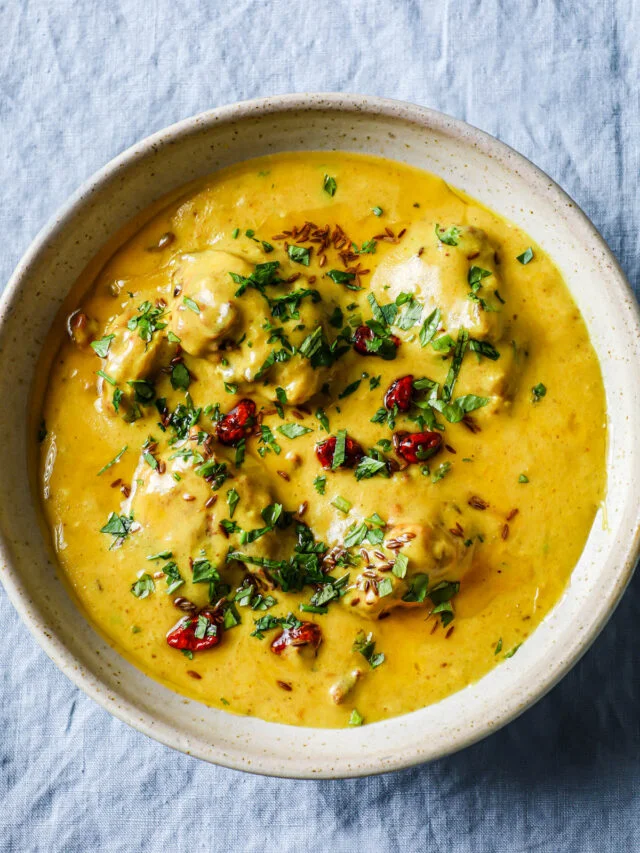
Punjabi kadhi pakora is a tangy, gently spiced yoghurt-and-besan curry served with crisp onion and potato fritters. Make it on the stovetop or in an Instant Pot, then finish with a sizzling cumin and chilli tempering.
Ingredients
- 240 g (1 cup)plain whole-milk yoghurt
- 60 g (1/2 cup)gram flour (besan)
- 1.1 litres (4 1/2 cups), plus more as neededwater
- 3/4 tspground coriander
- 1/2 tspred chilli powder
- 1/2 tspground cumin
- 1/2 tspground turmeric
- 1/2 tspgaram masala
- 1/4 tspground black pepper
- 2 tspfine sea salt or table salt, plus more if needed
- 60 ml (1/4 cup)neutral oil, such as grapeseed or avocado oil
- 1/2 mediumonion, finely chopped
- 4 clovesgarlic, crushed or finely chopped
- 1 piece, 2 cm (3/4 inch)ginger, crushed or finely chopped
- 1/2 smallyellow onion, quartered and thinly sliced
- 1/2 smallrusset potato, peeled, quartered and thinly sliced
- 1 mediumSerrano chilli, slit, seeds removed if desired, and finely chopped
- 1 tbspdried fenugreek leaves
- 1/2 tspfine sea salt
- 1/2 tspred chilli powder
- 1/8 tspbicarbonate of soda
- 1/2 tsplemon juice
- 75 g (1/2 cup + 2 tbsp)gram flour (besan)
- 60–80 ml (1/4–1/3 cup)water
- as neededneutral oil, for frying the pakoras
- 1/2 tsplemon juice or white vinegar
- 2 tbspghee or oil
- 8whole red chillies, such as button chillies
- 1 tspcumin seeds
- 1 tbspcilantro leaves, chopped
Instructions
- 1
Whisk the base
In a large bowl, whisk the yoghurt and gram flour until no large lumps remain. Add the water and whisk again, then set aside.
- 2
Mix the spices
Combine the spices and salt in a small bowl and set aside.
- 3
Brown the onion
For the stovetop method, heat the oil in a non-stick Dutch oven over medium-high heat. Add the chopped onion and cook, stirring occasionally, until golden brown, about 6 minutes. Deglaze the pan with 2 tbsp water.
- 4
Add the kadhi
When the water has evaporated, add the garlic and ginger and sauté for 1–2 minutes, until their raw smell fades. Add the spices and salt and cook for 15 seconds, then pour in the yoghurt mixture. Bring to a boil, stirring often.
- 5
Simmer the kadhi
As the mixture approaches a boil, which takes around 6 minutes, lower the heat to medium-low. Partially cover and simmer for 1 hour 30 minutes, stirring occasionally and scraping down the sides as needed. If it becomes too thick, stir in 60–120 ml (1/4–1/2 cup) water, preferably boiling.
- 6
Finish the stovetop
When oil rises to the top and the kadhi no longer tastes raw, turn the heat to its lowest setting and let it simmer while you prepare the pakoras.
- 7
Brown the onion
For the Instant Pot method, select Sauté – More/High. When hot, add the oil and chopped onion. Cook, stirring occasionally, until golden brown, about 6 minutes, then deglaze with 2 tbsp water.
- 8
Add the kadhi
Once the water has evaporated, add the garlic and ginger and sauté for 1–2 minutes, until their raw smell fades. Add the spices and salt and cook for 15 seconds, then pour in the yoghurt mixture. Bring to a boil, stirring often.
- 9
Pressure cook
When the mixture reaches a boil, after around 6 minutes, press Cancel to turn off the Instant Pot. Secure the lid, set Pressure Release to Sealing, choose Pressure Cook on low pressure and set the time for 30 minutes.
- 10
Release pressure
Let the pressure release naturally for 10 minutes, then move Pressure Release to Venting to release the remaining pressure. Stir the kadhi. If you want it thicker, select Sauté – Normal and reduce it to your preferred consistency.
- 11
Mix the pakoras
Meanwhile, combine the pakora ingredients other than the water and frying oil in the order listed. Add the water a little at a time until the mixture is coated but not runny, then set aside. The vegetables will release juice and loosen the mixture.
- 12
Heat the oil
Heat a small frying pan or heavy-based pot over high heat and add oil to a depth of at least 1.9 cm (3/4 inch). Once hot, adjust the heat to maintain medium-high, around 160°C (320°F).
- 13
Fry the pakoras
Lower the pakora mixture into the oil a tablespoon at a time, taking care not to overcrowd the pan; fry 4–5 at once. Cook for 3–4 minutes on each side, until golden and crisp. Lift them out with a slotted spoon onto a paper-towel-lined plate, and repeat, adding oil if needed.
- 14
Season the kadhi
Taste the kadhi and adjust the salt. Turn off the heat and stir in the lemon juice or vinegar.
- 15
Add the pakoras
Add the cooked pakoras to the kadhi and stir gently. If using the Instant Pot, transfer the kadhi to a serving bowl.
- 16
Make the tadka
Heat the ghee or oil in a small pan over medium-high heat. Add the whole red chillies and cumin seeds and sauté for about 15 seconds, until the chillies begin to darken and the cumin seeds sizzle and lightly toast.
- 17
Garnish and serve
Take the tadka off the heat and carefully pour the hot oil over the kadhi. Sprinkle with cilantro and serve with basmati rice, naan, roti or another bread.
What is Punjabi kadhi pakora?
Kadhi is a yoghurt-based curry thickened with gram flour, popular in several parts of India. Punjabi kadhi is often served with pakoras, which soak up the tangy sauce while adding a tender centre and crisp edges.
This version builds flavour by cooking the kadhi slowly or under pressure, then finishes it with fried fritters and a quick cumin-and-chilli tadka. The two cooking options suit different schedules while following the same basic flavour pattern.
Nutrition and macros by portion
The nutrition label shows one serving as written: 329 calories, 7g protein, 23g carbs, 24g fat.
| Portion | Adjustment | kcal | Protein | Carbs | Fat |
|---|---|---|---|---|---|
| Lighter | Use less frying oil | 230 kcal | 5g | 16g | 17g |
| This serving | As written | 329 kcal | 7g | 23g | 24g |
| Hungry | Add extra rice | 494 kcal | 11g | 35g | 36g |
The gram flour and potato provide much of the carbohydrates, while the yoghurt contributes protein and the frying oil and ghee carry much of the fat. Serve a portion with basmati rice or bread and add a side of vegetables for a more balanced plate.
The yoghurt and gram flour base
Smooth mixture: whisk the yoghurt and besan thoroughly before adding water, so the flour disperses rather than forming stubborn lumps.
Tangy balance: whole-milk yoghurt gives the curry body, while lemon juice or vinegar brightens it at the end. Taste before adding extra salt, as the seasoning is divided between the curry and pakoras.
Build flavour in the pan
Golden onion: take the chopped onion to a deep golden colour for a savoury base. The small splash of water loosens browned bits from the bottom of the pot.
Aromatics and spices: cook the garlic and ginger until their raw smell fades, then briefly fry the spice mix before adding the yoghurt mixture. Keep stirring as the curry comes to a boil.
Choose a cooking method
Stovetop: keep the kadhi at a gentle simmer with the lid partly on, stirring now and then and scraping the sides. This longer cook lets it thicken gradually.
Instant Pot: the recipe uses low pressure for 30 minutes after bringing the mixture to a boil. Allow 10 minutes for a natural release before venting, and reduce the curry further on Sauté if you prefer it thicker.
Fry crisp, tender pakoras
Loose batter: add water bit by bit; the vegetables release moisture, so the mixture should coat them without becoming runny.
Steady frying: keep the oil around 160°C and fry in small batches. Crowding cools the oil and makes it harder for the pakoras to turn crisp and evenly golden.
Look for the right finish
Kadhi cues: during the stovetop simmer, the curry should thicken and oil should rise to the surface. The recipe also calls for tasting to check that the raw flavour has cooked away.
Pakora cues: turn them once the first side is golden, then remove them when both sides are crisp. Stir them gently into the finished kadhi so they keep their shape.
Serve it with
Rice: basmati rice is a classic partner and catches the tangy sauce. Roti, naan or another bread also works for scooping up the curry.
Finish: spoon the hot tadka over the kadhi just before serving, then scatter over the chopped cilantro. The added tempering brings a fragrant, lightly toasted finish.
Recipe notes & tips
- Whisk the gram flour into the yoghurt before adding the water to help make a smooth base.
- Stir the kadhi regularly as it comes to a boil so the yoghurt mixture does not catch on the bottom.
- Keep hot water nearby in case the stovetop kadhi thickens more than you want.
- Add pakora water gradually because the sliced vegetables release moisture as they stand.
- Fry a small test pakora first and adjust the batter or oil temperature before cooking the rest.
- Add the tadka shortly before serving so its toasted aroma is at its freshest.
Variations
- Adjust the heat: remove the Serrano seeds or use fewer whole red chillies for a milder result.
- Change the fritter vegetables: replace the onion or potato with another thinly sliced vegetable while keeping the batter thick enough to coat it.
- Use oil instead of ghee: make the tadka with neutral oil for a dairy-free tempering.
- Add extra tang: stir in a little more lemon juice or vinegar at the end, tasting as you go.
- Serve with rice: pair the kadhi with basmati rice for a classic meal, or choose roti or naan instead.
Common mistakes to avoid
- Lumpy base: whisk the yoghurt and gram flour until smooth before adding the water.
- Rushing the onion: cook it until golden brown so it develops a savoury base for the kadhi.
- Boiling without stirring: stir often as the kadhi heats to reduce the chance of it catching on the pan.
- Runny pakora batter: add water gradually and remember that the vegetables will release their own juices.
- Crowded frying pan: cook only a few pakoras at a time so the oil stays hot enough for crisp edges.
- Overcooked tadka: remove it from the heat as soon as the chillies begin to darken and the cumin sizzles.
How to store
Refrigerate leftover kadhi and pakoras in an airtight container for up to 3 days. Reheat gently in a saucepan, stirring and adding a splash of water if needed; the pakoras will soften as they sit in the sauce.
Frequently asked questions
Can I make this without an Instant Pot?
Yes. Use a non-stick Dutch oven and simmer the kadhi partially covered for 1 hour 30 minutes, stirring occasionally.
Can I prepare the kadhi ahead?
Yes. Cook the kadhi ahead and refrigerate it, then reheat gently. For the best texture, fry the pakoras and make the tadka close to serving.
Why is my pakora mixture getting thinner?
The onion and potato release moisture as they stand. Add only enough water to coat the vegetables, and fry the mixture soon after preparing it.
How can I tell when the kadhi is ready?
For the stovetop version, look for a thicker curry with oil rising to the top, and taste to check that the raw flavour has gone. The Instant Pot version can be reduced further on Sauté if needed.
Can I make the pakoras less spicy?
Remove the seeds from the Serrano chilli or leave it out, and reduce the whole red chillies in the tadka.
What should I serve with kadhi pakora?
Serve it with basmati rice, naan, roti or another bread, as suggested in the recipe.
Cook it from the original
This recipe comes from teaforturmeric.com. Their page has the author’s own photos, notes and tips — the best place to cook it from.
Open the recipe on teaforturmeric.com