
Pressure Cooker Dulce De Leche - FYI It's Super Easy!
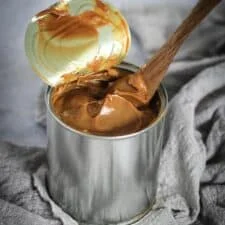
Pressure cooker dulce de leche is condensed milk transformed into a thick, silky caramel sauce. It takes little hands-on work and is ready to spoon over desserts once the cans have cooled completely.
Ingredients
- 1 can (or more)condensed milk
Instructions
- 1
Remove labels
Peel the paper label off each can of condensed milk.
- 2
Add water
Put the unopened can or cans in the pressure cooker and cover them with at least 2–3 cm of cold water. In the original cook's pressure cooker, this reaches the maximum fill line.
- 3
Cook under pressure
Secure the lid and set the cooker over high heat. Bring it to high pressure, then maintain that pressure for 30 minutes.
- 4
Release naturally
Switch off the heat and let the pressure come down naturally.
- 5
Cool overnight
Set the cooker aside and leave it overnight, until the water has reached room temperature.
- 6
Transfer the sauce
The following day, open each can and spoon the dulce de leche into a preserving jar for later use.
What is dulce de leche?
Dulce de leche is a sweet, caramel-coloured sauce associated with South America, made by slowly heating milk and sugar. This shortcut uses condensed milk, which is already sweetened and concentrated, so it becomes a rich sauce with very little preparation.
The pressure cooker does the cooking while the cans remain sealed. The long, undisturbed cooling period is part of the process, so plan ahead before serving.
Nutrition and macros by portion
The nutrition label shows one serving as written: 1300 calories, 33g protein, 220g carbs, 35g fat.
| Portion | Adjustment | kcal | Protein | Carbs | Fat |
|---|---|---|---|---|---|
| Lighter | Use a smaller drizzle | 910 kcal | 23g | 154g | 25g |
| This serving | As written | 1300 kcal | 33g | 220g | 35g |
| Hungry | Add a larger spoonful | 1950 kcal | 50g | 330g | 53g |
Most of the carbohydrates and sugars come from the condensed milk, which also supplies some protein. Its milk fat contributes most of the fat; serve a modest spoonful with fruit or an unsweetened dessert to balance the sweetness.
Why use condensed milk?
Condensed milk: its concentrated milk and sugar give the finished sauce its smooth, sweet character. The recipe needs no extra ingredients, and the can keeps the mixture contained as it cooks.
Setting up the pressure cooker
Water level: cover the cans with at least 2–3 cm of cold water, as directed, and follow your pressure cooker's own fill limits. The original method notes that this reaches its cooker’s maximum fill line.
Labels: remove the paper before cooking so it does not come loose in the water. Keep the cans unopened throughout the pressure-cooking stage.
Pressure and cooling
Cooking: bring the cooker to high pressure and maintain it for 30 minutes. Use the pressure-setting instructions for your particular cooker.
Cooling: allow a natural depressurisation, then leave the cooker until the water is at room temperature. The method specifies leaving it overnight; do not try to speed this up by opening a hot can.
Texture and doneness
Finished sauce: once cooled and opened, the dulce de leche should be smooth enough to scoop into a jar. Stir it if needed to bring the texture together before using.
Colour and thickness can vary with the can and cooker, so the method relies on its stated cooking and cooling times rather than a visual check inside the sealed can.
How to serve it
Desserts: spoon the sauce over ice cream, pancakes or cake, or use it as a filling for biscuits and pastries. Its concentrated sweetness pairs well with plain, lightly flavoured bases.
Portions: start with a small drizzle and add more to taste, particularly when serving it alongside another sweet component.
Recipe notes & tips
- Check your pressure cooker's manual and fill limits before cooking.
- Remove all paper from the cans before placing them in the cooker.
- Make sure the cans stay covered by at least 2–3 cm of water during cooking.
- Let the pressure release naturally as the method specifies.
- Wait until the water is at room temperature before opening a can.
- Cook more than one can if you want a spare, as the original cook recommends.
Variations
- Serve with fruit: drizzle it over sliced apples or pears.
- Add a pinch of salt: stir a little into the cooled sauce for a sweet-salty contrast.
- Use as a filling: spread it between biscuits or cake layers.
- Top ice cream: spoon it over a plain scoop just before serving.
- Thin for drizzling: stir a little warm water into a portion until it reaches your preferred consistency.
Common mistakes to avoid
- Opening the can hot: wait until the water is at room temperature before opening.
- Skipping the natural release: turn off the heat and let the pressure fall on its own.
- Ignoring the fill limit: follow the cooker manual and do not exceed its maximum line.
- Leaving labels on: remove the paper before cooking.
- Rushing the cooling: allow the full overnight rest described in the method.
How to store
Transfer the cooled sauce to a clean preserving jar and refrigerate once opened. Use a clean spoon each time and follow the storage guidance for your condensed milk and preserving jar; the recipe does not specify a storage duration.
Frequently asked questions
Can I cook more than one can at a time?
The method allows for one can or several. Make sure the water covers them by at least 2–3 cm and stays within your cooker's fill limits.
Do I open the can before pressure cooking?
No. The cans go into the pressure cooker unopened and are opened only after the cooling period.
How long does the pressure cooking take?
Maintain high pressure for 30 minutes after the cooker reaches it. The method also calls for natural depressurisation and cooling overnight.
Why does the recipe need to cool overnight?
The method says to leave the cooker until the water reaches room temperature before opening the cans. This takes time, so prepare the sauce in advance.
What can I serve dulce de leche with?
Use it as a drizzle over desserts or as a filling for biscuits and cakes. It also works with plain fruit or ice cream.
Cook it from the original
This recipe comes from theirishmanswife.com. Their page has the author’s own photos, notes and tips — the best place to cook it from.
Open the recipe on theirishmanswife.com