
Sri Lankan Black Pork Curry
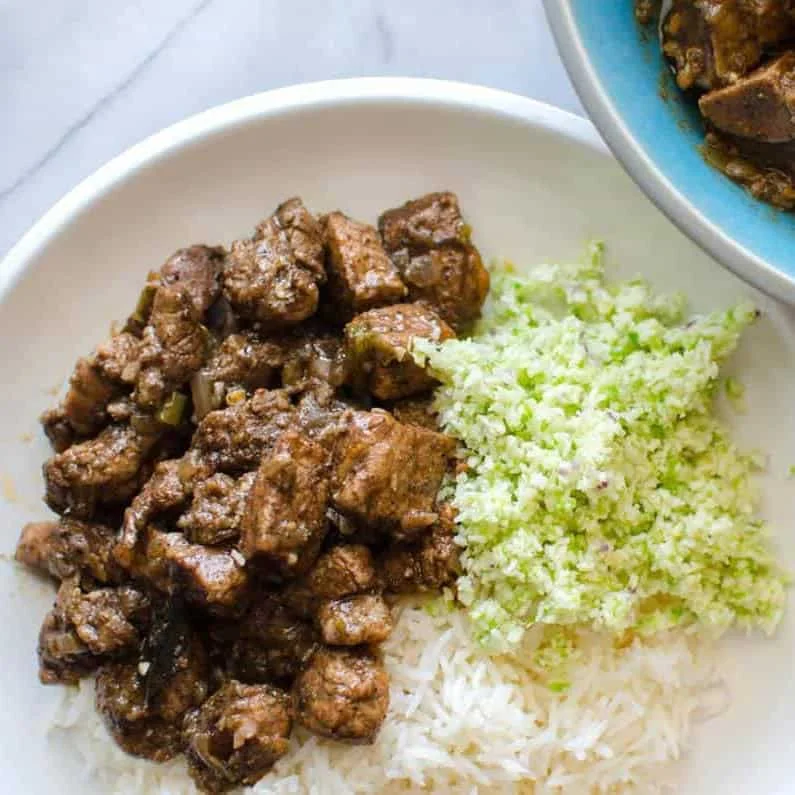
Sri Lankan black pork curry is a richly spiced, tangy curry made with roasted curry powder, pepper and tamarind. A slow simmer gives the pork time to become tender and lets the bold flavours meld.
Ingredients
- 680 g (1.5 lb)pork loin chops or shoulder, preferably with some fat
- 4 tspwhole black peppercorns
- 6cardamom pods, husks removed and seeds crushed
- 1½ tspSri Lankan roasted curry powder
- ½ tspsea salt
- ¼ tspground cinnamon
- ½ tspcayenne pepper (optional)
- 1 tbsptamarind paste
- 2green chillies, sliced; remove the seeds for a milder curry
- 2.5 cm (1 inch)ginger, minced
- 3garlic cloves, minced
- ½ mediumyellow onion, finely chopped
- 1 tbsptamarind paste, or lemon juice if needed
- 2–3bay leaves
- 2 tspsugar
- to tasteadditional salt
- 3 tbspoil, divided
- 120 ml (½ cup)water, plus extra if needed
Instructions
- 1
Cut the pork
Cut the pork into 1.3–2.5 cm (½–1 inch) cubes. If using bone-in chops, you can add the bones to the curry for extra flavour.
- 2
Mix the spices
Crush the cardamom seeds and black peppercorns with a mortar and pestle. Combine them with the curry powder, salt, cinnamon and cayenne pepper.
- 3
Marinate the pork
Mix about 2 tbsp of the spice blend with 1 tbsp tamarind paste and 1 tbsp oil, then coat the pork. Leave it to marinate for a few hours, or for up to 8 hours or overnight.
- 4
Keep extra spices
Save the remaining spice blend for another curry, or add some to this one during cooking if you want a more intense spice flavour.
- 5
Bring to room temperature
The next day, let the marinated pork come to room temperature before you start cooking.
- 6
Soften the aromatics
Heat 2 tbsp oil in a saucepan over medium heat. When hot, add the bay leaves, ginger and onion, and sauté until the onion is translucent. Add the garlic and sliced green chillies and sauté for another 30 seconds.
- 7
Add pork and water
Add the marinated pork and sugar, stirring to combine. Pour in about 120 ml (½ cup) water and bring to the boil.
- 8
Simmer the curry
Reduce the heat to medium-low and simmer for 1 hour. Check occasionally and add more water if the curry starts to dry out.
- 9
Adjust the seasoning
Taste the curry and add more salt or tamarind paste if needed.
- 10
Rest before serving
Serve straight away, or let the curry rest briefly for the flavours to settle. It tastes even better the next day.
What is Sri Lankan black pork curry?
This is a Sri Lankan-style pork curry built around roasted curry powder, black pepper and tamarind. Its name reflects the deep, dark finish created by its bold spices and long simmer.
This version marinates the pork before cooking, then simmers it gently with aromatics. A cut with some fat helps keep the meat succulent through the extended cooking.
Nutrition and macros by portion
The nutrition label shows one serving as written: 509 calories, 30g protein, 15g carbs, 37g fat.
| Portion | Adjustment | kcal | Protein | Carbs | Fat |
|---|---|---|---|---|---|
| Lighter | Trim visible pork fat | 356 kcal | 21g | 11g | 26g |
| This serving | As written | 509 kcal | 30g | 15g | 37g |
| Hungry | Add extra rice | 764 kcal | 45g | 23g | 56g |
The pork supplies most of the protein and fat, while the small amount of sugar and the onion contribute some of the carbohydrates. Serve a measured portion with rice and a generous helping of vegetables to make a more balanced plate.
Choose the pork and spices
Pork cut: Shoulder or pork chops with some fat suit the long simmer better than very lean meat. If your chops have bones, the method allows you to simmer them with the curry.
Spice blend: Whole peppercorns and freshly crushed cardamom bring a pronounced aroma, while Sri Lankan roasted curry powder gives the dish its characteristic warmth. Cayenne is optional.
Make the marinade count
Tamarind: Mix the measured portion with some of the spice blend and oil before coating the pork. Give the meat a few hours to take on the seasoning, or marinate it overnight for convenience.
Extra spices: Keep the unused blend separate at first. The method suggests adding more during cooking only if you want a stronger spice flavour.
Build flavour in the pan
Aromatics: Sauté the bay leaves, ginger and onion until the onion turns translucent before adding the garlic and sliced chillies. The garlic and chillies need only about 30 seconds at this stage.
Pork: Stir in the marinated meat and sugar so the pieces are coated with the aromatics. Once the water reaches a boil, lower the heat for the long simmer.
Keep the simmer gentle
Heat: Simmer the curry over medium-low heat for 1 hour rather than rushing it at a boil. Check on it from time to time, as the liquid can reduce during cooking.
Liquid: Add a little extra water if the pan starts to dry out. The finished curry should be moist, not scorched or stuck to the saucepan.
Balance the tang and heat
Tamarind: The listed ingredients include an additional tablespoon to adjust the finished curry. Taste first, then add it only if you want more tang; lemon juice is offered as an alternative if needed.
Chillies: Removing the seeds makes the green chillies milder. Cayenne is also optional, so you can leave it out if you prefer a gentler curry.
Rest and serve
Timing: The curry can be served as soon as it is cooked, but a short rest lets the flavours settle. It can also be made ahead, as the recipe notes that it tastes even better the next day.
To serve: Pair it with rice or another plain starch to complement the rich, peppery sauce. A fresh, lightly dressed vegetable side can add contrast to the plate.
Recipe notes & tips
- Use a mortar and pestle to crush the peppercorns and cardamom just before mixing the spice blend.
- Marinate the pork in the refrigerator if leaving it for several hours or overnight.
- Let the pork lose its chill before cooking, as directed, so it is ready to go into the pan.
- Keep the heat at a gentle simmer and check the liquid level during the hour of cooking.
- Taste before adding the extra tamarind or salt, since the marinade has already seasoned the meat.
- Make the curry a day ahead if convenient and reheat it gently before serving.
Variations
- Milder chillies: Remove the seeds from the green chillies, or use fewer.
- Use lemon: Add lemon juice instead of the optional extra tamarind if needed.
- Adjust the spice: Add some of the reserved spice blend during cooking for a stronger flavour.
- Choose shoulder: Use pork shoulder for a cut with some fat that suits the long simmer.
- Bone-in chops: Add the chop bones to the pan as suggested for extra flavour.
Common mistakes to avoid
- Skipping the marinade: Give the pork a few hours, or up to overnight, to take on the spice and tamarind.
- Rushing the simmer: Cook over medium-low heat for the full hour so the flavours have time to develop.
- Letting the pan dry: Check the curry as it simmers and add water if it needs it.
- Overcooking the aromatics: Add the garlic and chillies after the onion is translucent, then sauté for only 30 seconds.
- Adding extra tamarind automatically: Taste the curry first and adjust only if it needs more tang.
- Serving straight from the heat: A brief rest helps the flavours settle before serving.
How to store
Refrigerate leftovers in a covered container and eat within 3 days. Reheat gently in a saucepan until piping hot, adding a splash of water if the curry has thickened; the recipe also notes that it tastes better the next day.
Frequently asked questions
Can I marinate the pork overnight?
Yes. The method allows marinating for a few hours, up to 8 hours or overnight. Bring the pork to room temperature before cooking.
Can I use pork loin?
Yes, pork loin chops are listed as an option, although the recipe recommends a cut with some fat. Pork shoulder is another suitable choice.
How do I make the curry less hot?
Leave out the optional cayenne and remove the seeds from the green chillies. You can also use fewer chillies.
What if the curry dries out?
Check it during the hour-long simmer and add extra water if needed. Keep the heat at medium-low.
Can I serve it straight away?
Yes. It can be served immediately, though a short rest is recommended and the recipe says it tastes even better the next day.
What can I use instead of tamarind?
The ingredient list suggests lemon juice in place of the additional tamarind paste if needed. The first portion of tamarind is used in the marinade.
Cook it from the original
This recipe comes from theflavorbender.com. Their page has the author’s own photos, notes and tips — the best place to cook it from.
Open the recipe on theflavorbender.com