
My grandmother’s rice pudding recipe
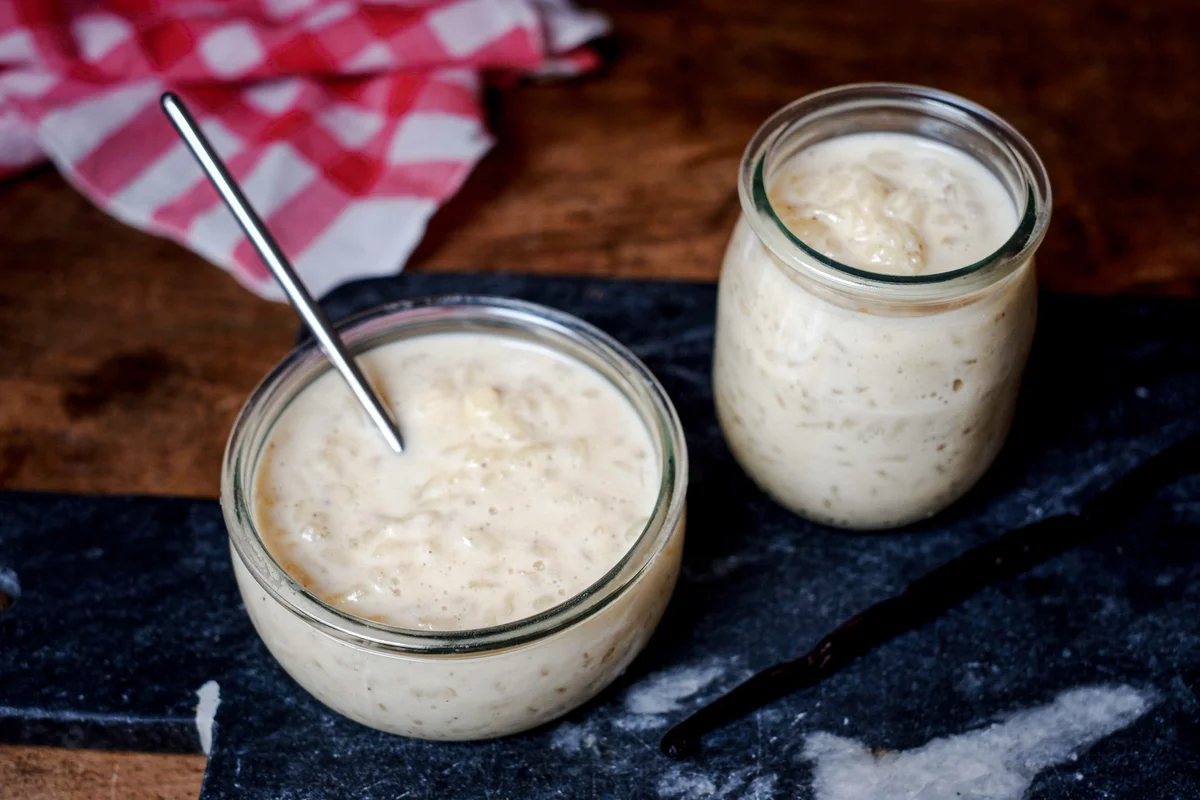
This French-style rice pudding is gently simmered until the round rice is tender and the milk turns creamy, then rested before serving. It is a simple, comforting dessert flavoured with vanilla, with cinnamon and orange peel offered as an alternative.
Ingredients
- 700 mlwhole milk
- 100 ground rice
- 60 g, more or less to tastesugar
- 1vanilla pod, or 1 cinnamon stick and a strip of orange peel
Instructions
- 1
Heat the milk
Bring the milk to the boil with the sugar and vanilla pod. If preferred, use a cinnamon stick and a strip of orange peel instead.
- 2
Add the rice
Scatter in the rice and stir it through the milk.
- 3
Lower the heat
Turn the heat down as low as possible. Cover the pan and let the rice cook very gently.
- 4
Cook covered
Leave the pan covered for 10 minutes.
- 5
Simmer uncovered
Remove the lid and continue cooking at a gentle simmer for 20–25 minutes, until the rice reaches the surface of the milk.
- 6
Rest and portion
Leave the pudding to rest for 15 minutes, then spoon it while still warm into ramekins.
- 7
Serve the pudding
Serve just warm or at room temperature.
What is French rice pudding?
French rice pudding, often called riz au lait, is a simple dessert made by cooking rice slowly in sweetened milk. This version uses vanilla for a familiar, gentle flavour, with cinnamon and orange peel as an alternative.
The method relies on low, patient cooking rather than a complicated technique. A short rest after simmering gives the rice time to settle into the milk.
Nutrition and macros by portion
The nutrition label shows one serving as written: 200 calories, 0g protein, 0g carbs, 0g fat.
| Portion | Adjustment | kcal | Protein | Carbs | Fat |
|---|---|---|---|---|---|
| Lighter | Reduce the sugar slightly | 140 kcal | 0g | 0g | 0g |
| This serving | As written | 200 kcal | 0g | 0g | 0g |
| Hungry | Serve a larger ramekin | 300 kcal | 0g | 0g | 0g |
The rice and sugar provide most of the carbohydrates, while whole milk contributes the fat and some protein. For a more balanced plate, serve a ramekin after a meal that includes vegetables and a protein source.
Choosing the rice and flavouring
Round rice: its plump grains suit a creamy pudding and cook slowly in the milk. Use the specified 100 g so the mixture keeps the balance intended by the recipe.
Flavouring: a split vanilla pod infuses the milk as it heats. For a different aroma, use a cinnamon stick and a strip of orange peel instead.
Keep the simmer gentle
Low heat: once the rice is added, reduce the burner to its lowest setting and cover the pan for the first 10 minutes. Gentle heat helps prevent the milk from boiling over or catching on the base.
Uncovered finish: remove the lid for the final 20–25 minutes and keep the pudding at a small simmer. Stir gently if needed to stop rice settling, without turning the mixture into a paste.
Judge the texture
Doneness: the recipe’s cue is that the rice should reach the surface of the milk after the uncovered simmer. The grains should be tender, while the pudding remains soft rather than dry.
Resting: leave it for 15 minutes before portioning. The pudding will continue to settle, so take it off the heat while there is still some creamy milk around the rice.
Sweetness and serving
Sugar: the recipe gives 60 g, with more or less according to taste. If you prefer a less sweet pudding, reduce it slightly rather than adding extra flavourings.
Serving temperature: serve it just warm or at room temperature, as directed. Small ramekins make it easy to portion and help the pudding cool evenly.
What to serve alongside it
Fruit: fresh berries, sliced pear or stewed apple can add a tart or fresh contrast to the sweet, milky pudding. Keep the topping simple so the vanilla or spice remains noticeable.
A light meal: serve a ramekin after a meal with vegetables and a source of protein. The pudding itself is mainly milk, rice and sugar, so that pairing adds variety to the plate.
Recipe notes & tips
- Use a heavy-based pan to help the milk heat evenly.
- Watch the milk closely as it comes to the boil, as it can rise quickly.
- Stir gently after adding the rice so it does not clump together.
- Keep the heat low throughout the simmer rather than rushing the cooking.
- Let the pudding rest for the full 15 minutes before portioning.
Variations
- Cinnamon and orange: use a cinnamon stick and a strip of orange peel instead of the vanilla pod.
- Less sweet: reduce the sugar to suit your taste.
- Vanilla flavour: split the pod before adding it to the milk so it can infuse as the mixture heats.
- Fruit topping: serve with fresh berries or stewed apple for a fruity contrast.
Common mistakes to avoid
- Boiling too hard: lower the heat as soon as the rice is added to prevent the milk bubbling over.
- Cooking too quickly: keep the simmer gentle so the rice has time to soften in the milk.
- Letting rice catch: stir gently when needed and avoid leaving the pan unattended for long.
- Cooking until dry: stop when the rice reaches the surface of the milk and the pudding is still creamy.
- Skipping the rest: allow 15 minutes for the pudding to settle before serving.
How to store
Cool the pudding, cover it and refrigerate for up to 3 days. Reheat gently in a pan or microwave, stirring in a little milk if it has thickened; it can also be served cold.
Frequently asked questions
Can I use a different type of rice?
Round rice is specified for this recipe and gives the intended soft, creamy texture. Other rice may cook differently, so check the grains as they simmer.
Can I make it without vanilla?
Yes. The recipe suggests using a cinnamon stick and a strip of orange peel instead of the vanilla pod.
How do I know when the rice pudding is ready?
After 20–25 minutes of uncovered simmering, the rice should reach the surface of the milk. The grains should be tender and the mixture should still look creamy.
Why is my pudding thicker after resting?
The rice continues to absorb liquid as the pudding rests. Remove it from the heat while some creamy milk remains, then leave it for the specified 15 minutes.
Can I serve it cold?
Yes. The recipe suggests serving it just warm or at room temperature, and it can also be chilled after cooking.
Can I adjust the amount of sugar?
Yes. The recipe specifies 60 g, more or less according to taste, so you can reduce it if you prefer a less sweet pudding.
Cook it from the original
This recipe comes from royalchill.com. Their page has the author’s own photos, notes and tips — the best place to cook it from.
Open the recipe on royalchill.com