
Mazamorra cochina
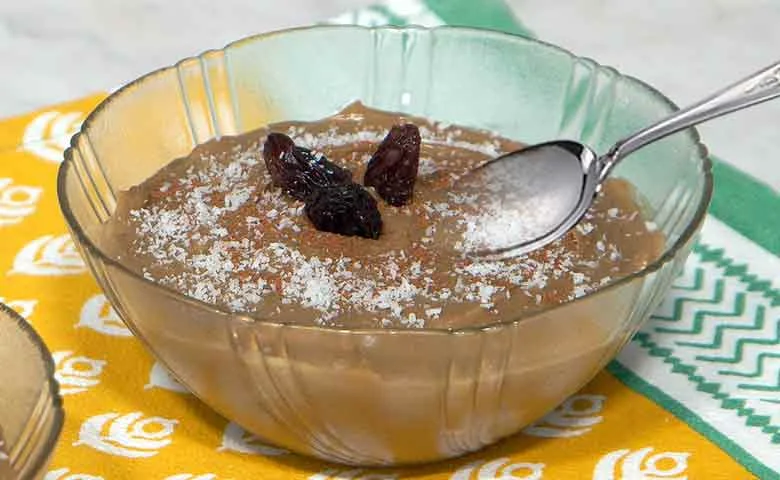
Mazamorra cochina is a Peruvian pudding made with chancaca, evaporated milk and flour, scented with cinnamon, cloves and lemon peel. It is cooked on the hob until thick and creamy, then served warm or at room temperature with a dusting of cinnamon.
Ingredients
- 1 piece, about 300 gchancaca (panela)
- 240 ml (1 cup)evaporated milk
- 360 ml (1½ cups)water
- 300 gplain flour
- 1lemon, peel only
- 1 stickcinnamon
- 2cloves
- to tasteground cinnamon
Instructions
- 1
Infuse the spices
Put 360 ml water, the cinnamon stick, cloves and yellow lemon peel in a medium saucepan. Bring to a gentle boil over a medium heat and leave the flavours to infuse for about 5 minutes. Strain and set the liquid aside.
- 2
Melt the chancaca
Clean the saucepan, then return the infused liquid to it and add the chopped chancaca. Cook over a medium heat, stirring constantly, until it melts into a thick, glossy syrup.
- 3
Stir in milk
Once the chancaca has dissolved, add the evaporated milk and stir gently to combine. Turn the heat down slightly so the mixture does not boil too vigorously.
- 4
Mix the flour
In a separate bowl, whisk the flour with 240 ml cold water until smooth and lump-free. Use a little less water if you prefer a thicker pudding.
- 5
Thicken the pudding
Pour the flour mixture gradually into the saucepan, stirring constantly with a wooden spoon. Cook over a medium-low heat for 10–12 minutes, until the pudding is creamy, smooth and thickened.
- 6
Finish the cooking
When the mazamorra is neither too runny nor too thick, turn off the heat. Remove the cinnamon stick, cloves and lemon peel, then leave it to rest for a few minutes.
- 7
Serve with cinnamon
Spoon into individual dessert dishes and serve warm or at room temperature. Sprinkle with ground cinnamon.
What is mazamorra cochina?
Mazamorra cochina is a Peruvian sweet pudding, thickened with flour and flavoured with chancaca, a block of unrefined cane sugar also known as panela. It belongs to Peru’s tradition of cooked, spoonable desserts, though recipes and names can vary from one household to another.
This version combines the deep sweetness of chancaca with evaporated milk and a brief infusion of cinnamon, cloves and lemon peel. Straining the infusion gives the pudding a smooth finish without leaving whole spices in the bowl.
Nutrition and macros by portion
The nutrition label shows one serving as written: 230 calories, 0g protein, 0g carbs, 0g fat.
| Portion | Adjustment | kcal | Protein | Carbs | Fat |
|---|---|---|---|---|---|
| Lighter | Use less chancaca | 161 kcal | 0g | 0g | 0g |
| This serving | As written | 230 kcal | 0g | 0g | 0g |
| Hungry | Serve a larger bowl | 345 kcal | 0g | 0g | 0g |
The chancaca and flour provide most of the carbohydrates, while evaporated milk contributes some of the fat and protein. Pair a bowl with fresh fruit if you would like a lighter, more balanced dessert plate.
The sweetener and milk
Chancaca: Chop the block into smaller pieces so it melts more readily in the infused water. Keep stirring as it dissolves, since the thick syrup can catch on the bottom of the pan.
Evaporated milk: Add it after the chancaca has melted, and lower the heat to avoid a vigorous boil. It softens the syrup’s intensity and gives the pudding a creamy character.
Infusing the aromatics
Spices and peel: Use only the yellow part of the lemon peel, avoiding the bitter white pith. A gentle 5-minute simmer is enough to draw out the cinnamon, clove and citrus aromas before you strain the liquid.
Getting a smooth mixture
Cold water: Mix the flour with cold water separately before it goes into the hot pan. Whisk until there are no visible lumps, then pour it in gradually while stirring.
Steady stirring: Keep the spoon moving across the base and into the corners of the saucepan as the pudding thickens. This helps prevent lumps and stops the sweet mixture sticking or scorching.
How to judge the texture
Doneness: After 10–12 minutes over a medium-low heat, the mixture should look uniform and creamy rather than floury or watery. It will continue to thicken a little as it rests, so take it off the heat while it is still spoonable.
Serving and timing
Resting: Leave the pudding for a few minutes after removing the whole spices; this also makes it easier to portion. Serve it warm or at room temperature, finished with ground cinnamon.
Pairing: Its sweetness makes it a natural dessert after a savoury meal. A small serving of fresh fruit on the side can add a refreshing contrast.
Recipe notes & tips
- Chop the chancaca before adding it so it dissolves more evenly.
- Strain the infused water well to remove the cloves and any fragments of peel.
- Whisk the flour thoroughly into cold water before adding it to the pan.
- Pour the flour mixture in gradually while stirring to keep the pudding smooth.
- Keep the heat moderate as the pudding thickens so the base does not catch.
Variations
- More citrus: Add a little extra yellow lemon peel to the infusion, then strain it out.
- Coconut finish: Sprinkle desiccated coconut over the portions before serving.
- Thicker pudding: Use slightly less cold water when mixing the flour.
- Gentler spice: Use a smaller piece of cinnamon stick for a milder infusion.
Common mistakes to avoid
- Leaving the syrup unstirred: Chancaca can catch on the base, so stir constantly as it melts.
- Using warm water for the flour: It can encourage lumps; make the slurry with cold water.
- Adding the slurry all at once: Pour it in gradually while stirring for a more even texture.
- Boiling too vigorously: A hard boil can make the milk mixture bubble and stick; reduce the heat after adding it.
- Cooking until very firm: The pudding thickens as it rests, so stop while it is still spoonable.
How to store
Cool the pudding, cover it and refrigerate for up to 3 days. Reheat gently in a saucepan over a low heat, stirring; add a small splash of water or milk if it has become too thick.
Frequently asked questions
Can I serve mazamorra cochina cold?
Yes. It can be served warm or at room temperature, and it will become firmer as it cools.
How can I avoid lumps?
Whisk the flour into cold water until smooth, then add it slowly to the saucepan while stirring continuously.
What can I use instead of chancaca?
The listed ingredient identifies chancaca as panela, so panela is the closest alternative. The flavour may differ if you use another type of sugar.
Why is my pudding too thick?
It may have cooked for too long or used less water in the flour mixture. Stir in a little warm water or milk to loosen it.
Can I make it ahead?
Yes. Refrigerate it covered and reheat gently when ready to serve, loosening it with a little water or milk if needed.
Cook it from the original
This recipe comes from recetascocinaperuana.com. Their page has the author’s own photos, notes and tips — the best place to cook it from.
Open the recipe on recetascocinaperuana.com