
Cassava mazamorra
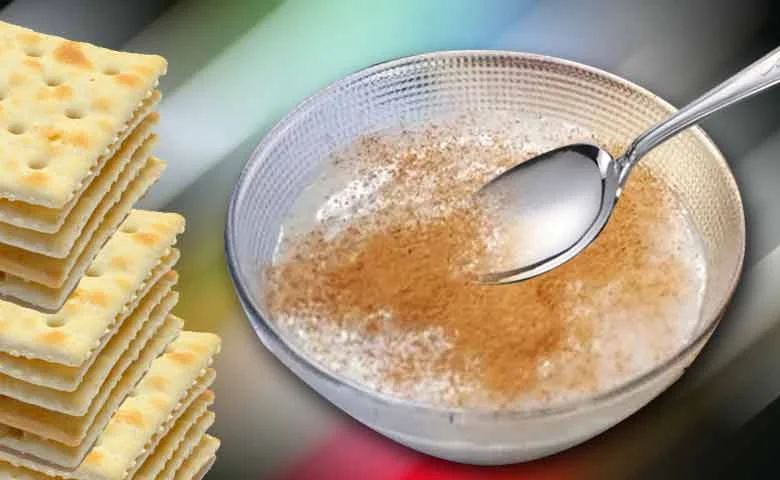
Peruvian cassava mazamorra is a softly spiced, creamy pudding made by cooking and mashing cassava, then stirring it with coconut and evaporated milk. It makes a comforting dessert with cinnamon, cloves and an optional hint of orange.
Ingredients
- 1 kgfresh cassava
- 240 ml (1 cup)evaporated milk
- 240 ml (1 cup)coconut milk
- 100 g (½ cup), adjust to tastesoft brown sugar
- 5 ml (1 teaspoon)ground cinnamon
- 1 stickcinnamon
- 3cloves
- A pinchsalt
- To taste (optional)orange zest
Instructions
- 1
Prepare the cassava
Wash and peel the cassava, then cut it into medium-sized pieces.
- 2
Boil until tender
Cook the cassava in a pan of water with a pinch of salt for 20–25 minutes, or until soft.
- 3
Drain and trim
Drain the cassava and remove the central fibrous core.
- 4
Mash while hot
Mash the cassava while it is still hot until smooth, using a fork or a food processor.
- 5
Combine the milks
Put the cassava mash in a pan and add the coconut milk, evaporated milk and soft brown sugar.
- 6
Cook gently
Cook over a medium heat, stirring continuously to stop the mixture sticking.
- 7
Add the spices
Stir in the ground cinnamon, cinnamon stick and cloves.
- 8
Thicken the pudding
Keep stirring until the mixture thickens and becomes creamy.
- 9
Remove whole spices
Take out the cloves and cinnamon stick before serving.
- 10
Finish with orange
Add orange zest if you like a citrus note.
What is cassava mazamorra?
Mazamorra is a name used for several Latin American spoon desserts, and this Peruvian-style version is built around cassava. The cooked root is mashed and simmered with milk, sugar and warming spices.
Cassava gives the pudding its body, while coconut and evaporated milk make the texture rich and creamy. Orange zest is an optional fresh finish.
Nutrition and macros by portion
The nutrition label shows one serving as written: 180 calories, 0g protein, 0g carbs, 0g fat.
| Portion | Adjustment | kcal | Protein | Carbs | Fat |
|---|---|---|---|---|---|
| Lighter | Use less brown sugar | 126 kcal | 0g | 0g | 0g |
| This serving | As written | 180 kcal | 0g | 0g | 0g |
| Hungry | Serve a larger bowl | 270 kcal | 0g | 0g | 0g |
Cassava and brown sugar provide most of the carbohydrates, while the coconut and evaporated milk contribute fat and some protein. Pair a serving with fresh fruit for a simple contrast, keeping in mind that the nutrition figures supplied for this recipe list protein, carbohydrate and fat as 0 g.
Choosing and preparing cassava
Fresh cassava: Choose firm roots without soft patches. Peel it thoroughly before cooking, then cut it into medium pieces so they soften evenly.
Central core: Once cooked and drained, remove the firm central fibre before mashing. This helps the finished pudding feel smoother.
Getting a smooth texture
Hot mash: Mash the cassava while it is still hot, before adding the milks. A fork works for a slightly rustic finish; a food processor can make the mixture more uniform.
Steady stirring: Keep the pan moving over medium heat as the pudding thickens. Scrape the base and sides so the mixture does not catch.
Balancing the sweetness and spice
Brown sugar: The recipe gives ½ cup, with room to adjust to taste. Start with the stated amount and taste as the mixture warms before adding more.
Whole spices: The cinnamon stick and cloves infuse the pudding as it cooks, while ground cinnamon spreads through the mixture. Remove the whole spices before serving.
Knowing when it is ready
The cassava should be soft enough to mash after 20–25 minutes of boiling. Check a piece with a fork; if it is still firm, cook it a little longer before draining.
The pudding is ready when it has thickened and looks creamy. Stirring consistently helps it cook evenly as the liquid reduces.
Serving the pudding
Serve the mazamorra once the whole spices have been removed, with a little orange zest if you want a citrus lift. It can be enjoyed warm or chilled.
For a more balanced plate, pair a modest bowl with fresh fruit rather than adding another sweet topping.
Recipe notes & tips
- Cut the cassava into similar-sized pieces so they cook at roughly the same rate.
- Remove the central fibre carefully after boiling for a smoother mash.
- Mash the cassava while it is still hot, before mixing in the milks.
- Stir continuously over medium heat once the milks are in the pan.
- Taste the mixture as it cooks and adjust the sugar to suit your preference.
- Fish out the cinnamon stick and cloves before serving.
Variations
- Citrus finish: Add orange zest just before serving for a bright aroma.
- Coconut emphasis: Replace some of the evaporated milk with extra coconut milk for a more pronounced coconut flavour.
- Milder spice: Use fewer cloves if you prefer a gentler spice profile.
- Less sweet: Reduce the brown sugar and taste as the pudding thickens.
- Chilled serving: Refrigerate the finished pudding and serve it cold.
Common mistakes to avoid
- Undercooked cassava: It will be difficult to mash; boil until a fork passes through the pieces easily.
- Leaving the central fibre in: It can make the pudding stringy; remove it after draining.
- Mashing after the cassava cools: The texture can be less even; mash it while hot.
- Leaving the pan unstirred: The mixture can stick as it thickens; stir continuously over medium heat.
- Serving with whole spices: They are unpleasant to bite into; remove the cinnamon stick and cloves before serving.
How to store
Cool the pudding and refrigerate it in a covered container for up to 3 days. Reheat gently in a pan, stirring and adding a small splash of milk if it has become too thick.
Frequently asked questions
How do I know when the cassava is cooked?
After 20–25 minutes, test a piece with a fork. It should be soft enough to mash; if not, continue boiling and check again.
Can I use frozen cassava?
Yes, if it is peeled and prepared for cooking. Follow the packet guidance and check that the pieces are fully tender before draining and mashing.
Can I make the pudding without a food processor?
Yes. Mash the hot cassava thoroughly with a fork; the result may be a little less smooth.
Can I adjust the amount of sugar?
Yes. The recipe says to adjust the ½ cup to taste, so you can use less and taste the pudding as it cooks.
Can cassava mazamorra be served cold?
Yes. Let it cool, cover and refrigerate it, then serve chilled. It will usually firm up as it cools.
Why does the recipe call for both ground and whole cinnamon?
Ground cinnamon flavours the pudding throughout, while the stick infuses it during cooking. Remove the stick before serving.
Cook it from the original
This recipe comes from recetascocinaperuana.com. Their page has the author’s own photos, notes and tips — the best place to cook it from.
Open the recipe on recetascocinaperuana.com