
Greek-style baked fish
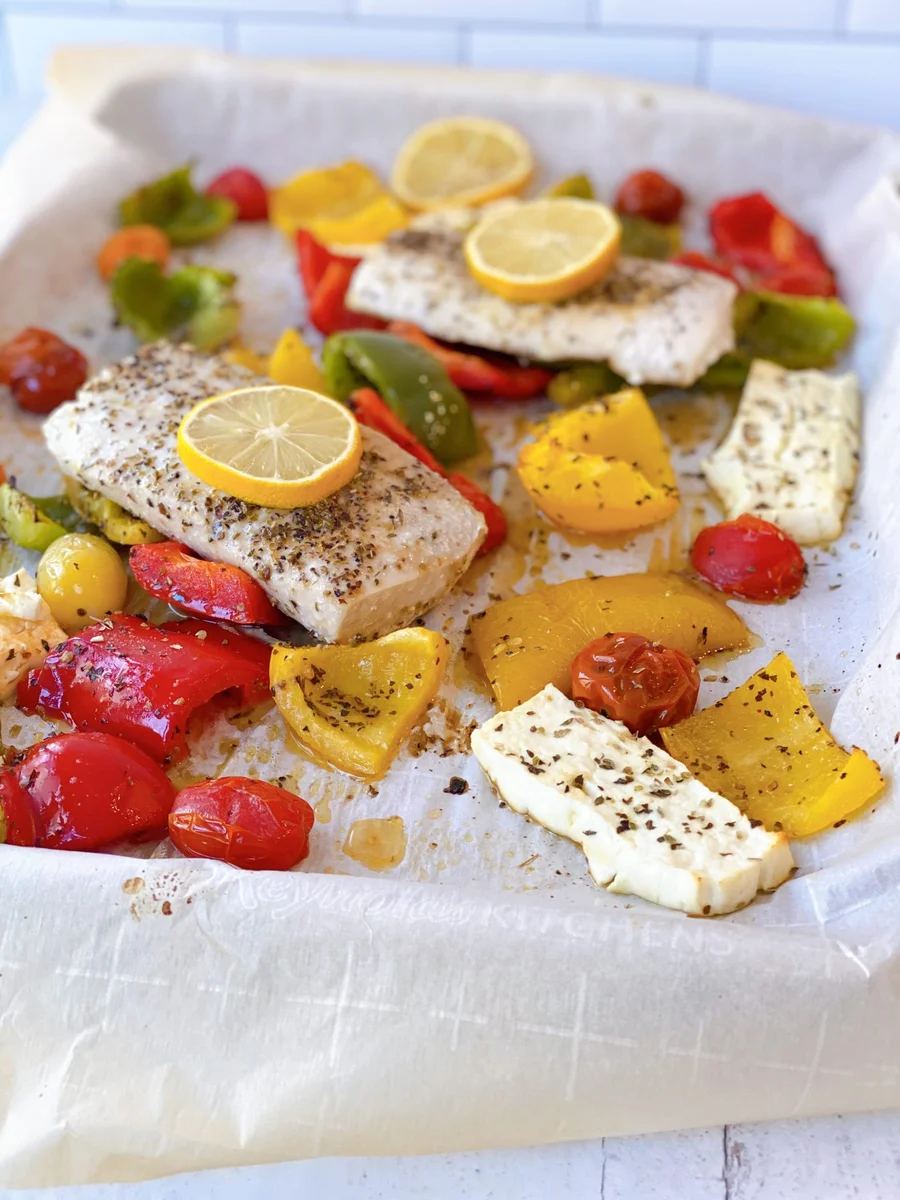
This Greek-style baked fish pairs fillets with tomato, pepper, onion, feta and herbs, then bakes them together in white wine and olive oil. It is a straightforward oven meal, served with hot cooked rice to catch the savoury juices.
Ingredients
- to tastebell pepper
- to tasterice
- to tastebasil
- to tastefeta cheese
- to tastefish fillets
- to tasteolive oil
- to tasteoregano
- to tastepepper
- to tasteonion
- to tastesalt and pepper
- to tastetomato
- to tastewhite wine
Instructions
- 1
Heat the oven
Preheat the oven to 230°C. Choose an ovenproof baking dish that fits the fish fillets in one layer without overlapping, and spray it with cooking oil.
- 2
Arrange the fish
Lay the fillets in the dish in a single layer and season with a little salt and pepper. Scatter the red onion and bell pepper over the fish.
- 3
Add the toppings
Add dried basil and oregano, followed by the tomato and feta. Pour the white wine and olive oil over everything, then grind a little fresh pepper on top.
- 4
Bake and serve
Bake uncovered for about 12–15 minutes, or until the fish flakes easily with a fork. Squeeze lemon slices over the cooked fish, garnish with fresh basil and/or oregano, and serve with hot, previously cooked rice.
What is Greek-style baked fish?
This is a Mediterranean-inspired way to cook fish with vegetables, herbs, feta, wine and olive oil in one baking dish. The method is simple: layer the ingredients over the fillets and let the oven cook them together.
Here, tomato and pepper bring freshness, while feta adds a salty, creamy contrast. Rice served alongside makes the juices part of the meal.
Nutrition and macros by portion
The nutrition label shows one serving as written: 343 calories, 28g protein, 31g carbs, 12g fat.
| Portion | Adjustment | kcal | Protein | Carbs | Fat |
|---|---|---|---|---|---|
| Lighter | More vegetables, less rice | 240 kcal | 20g | 22g | 8g |
| This serving | As written | 343 kcal | 28g | 31g | 12g |
| Hungry | Larger rice portion | 515 kcal | 42g | 47g | 18g |
The rice and vegetables provide most of the carbohydrates, while the fish supplies much of the protein. Olive oil and feta contribute most of the fat; serve with extra vegetables alongside if you want a more substantial balance on the plate.
Choose a suitable baking dish
Fit the fillets in a single layer so they cook evenly rather than steaming in a pile. A dish that is close to the size of the fish also helps keep the wine and oil around the ingredients.
Layer the vegetables and feta
Vegetables first: scatter the onion and pepper over the seasoned fish, then add the tomato. This lets their juices mingle with the wine as the dish bakes.
Feta next: crumble or distribute it over the top so each portion gets some of its savoury flavour. The recipe adds it before baking, where it softens but does not need to melt completely.
Keep an eye on the fish
The recipe gives a baking window of 12–15 minutes at 230°C. Check at the earlier end of that range, since fillet thickness and the baking dish can affect how quickly the fish cooks.
A useful doneness cue from the method is that the fish flakes easily when tested with a fork. Avoid leaving it in the oven once it reaches that point.
Use herbs for a fresh finish
Dried basil and oregano go into the dish before baking, so their flavour spreads through the tomato, wine and olive oil. Fresh basil and/or oregano are suggested as a garnish after cooking.
Freshly ground pepper adds a final aromatic note. Squeezing lemon over the fish just before serving brightens the baked flavours.
Serve it with rice
Serve the fish with hot cooked rice, as directed, and spoon some of the tomato and cooking juices over it. A simple green salad or steamed vegetables would also sit well alongside without competing with the fish.
Recipe notes & tips
- Use a baking dish that holds the fillets in one uncrowded layer.
- If the fish fillets vary in thickness, check the thinner pieces first.
- Add the fresh herb garnish after baking to keep its flavour lively.
- Serve the rice hot so it can absorb the tomato and wine juices.
- Check the fish with a fork at 12 minutes before deciding whether it needs longer.
Variations
- Change the fish: use another suitable fish fillet, keeping an eye on doneness.
- Add more vegetables: include extra pepper or tomato for a vegetable-forward dish.
- Use fresh herbs: add chopped fresh basil and oregano over the fish before serving.
- Adjust the feta: crumble it into smaller pieces for a more even salty finish.
- Serve with potatoes: offer boiled or roasted potatoes instead of rice.
Common mistakes to avoid
- Overlapping fillets: they may cook unevenly; arrange them in one layer.
- Overbaking the fish: it can become dry; check for easy flaking from 12 minutes.
- Using too large a dish: the cooking juices can spread thinly; choose one that fits the fish.
- Skipping the seasoning: the fish can taste flat; season it with salt and pepper before adding toppings.
- Forgetting the finishing herbs: add fresh basil and/or oregano after baking for a fresher aroma.
How to store
Refrigerate leftover fish and rice in separate airtight containers and use within 2 days. Reheat gently until steaming hot, taking care not to overcook the fish; add a splash of water to the rice if it has dried out.
Frequently asked questions
How can I tell when the fish is done?
It should flake easily when gently tested with a fork. Begin checking at 12 minutes, as fillet thickness affects cooking time.
Can I use frozen fish fillets?
Thaw them fully and pat them dry before arranging them in the baking dish. Excess water can dilute the cooking juices.
Can I prepare this without white wine?
The recipe includes white wine as part of the cooking liquid. You can leave it out, though the finished dish will have less of its flavour; use extra tomato juices instead.
Should the baking dish be covered?
No. The method specifies baking the fish uncovered for about 12–15 minutes.
Can I make it ahead?
It is best baked shortly before serving so the fish stays tender. You can prepare the rice in advance and reheat it while the fish cooks.
Cook it from the original
This recipe comes from recetagatimi.com. Their page has the author’s own photos, notes and tips — the best place to cook it from.
Open the recipe on recetagatimi.com