
Cream Cheese Frosting
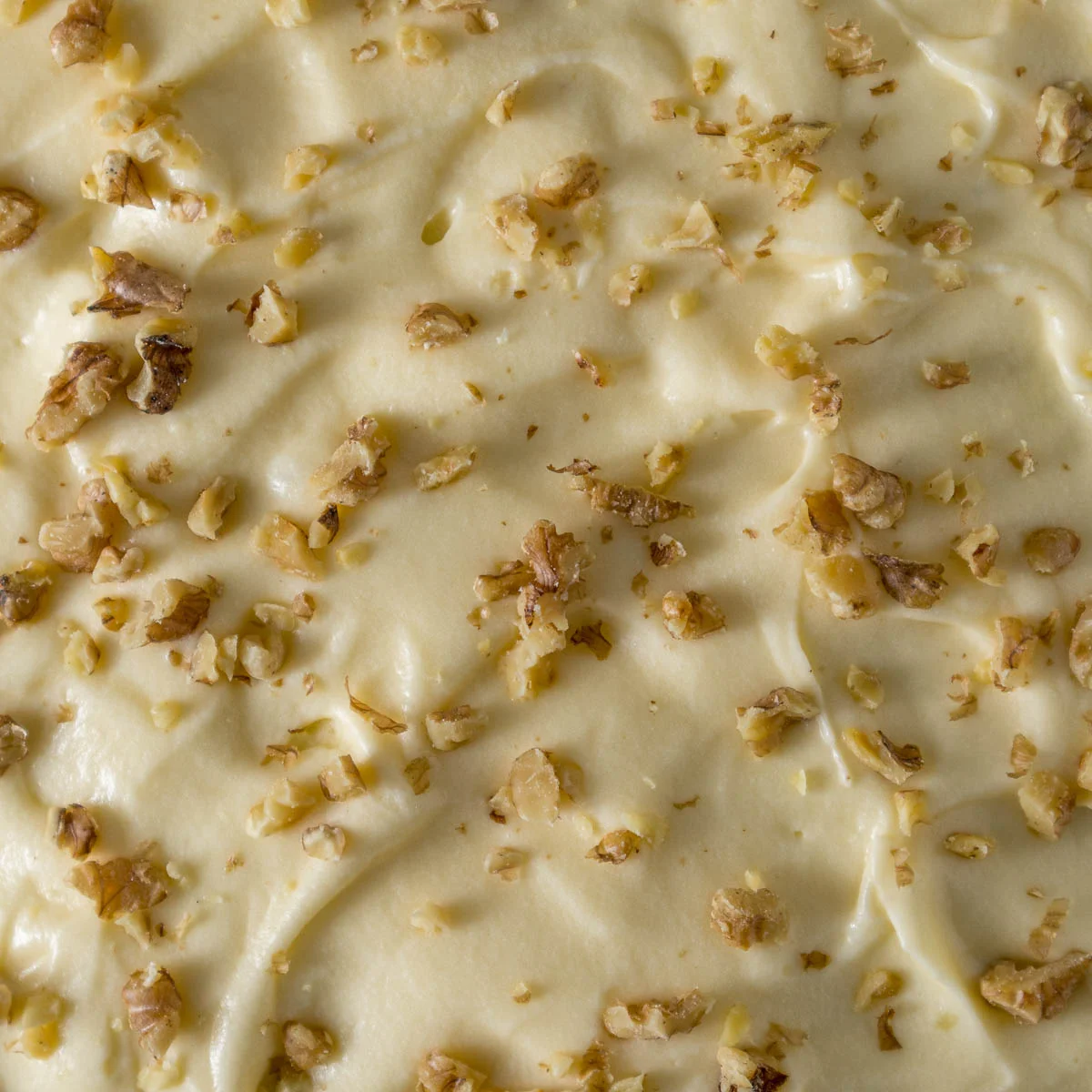
This tangy American cream cheese frosting can be made by mixing the cream cheese in with the butter or beating it in last for a fluffier butter base. Use it on carrot cake, chocolate cake or cupcakes, or add cocoa for a chocolate version.
Ingredients
- 75 gbutter
- 1 tspvanilla extract (or lemon juice)
- 250 gicing sugar
- 113 gcream cheese
- ⅛ tsptable salt (if using unsalted butter)
- 30 gunsweetened cocoa powder (Dutch-processed)
- 2–4 tbspcream (or milk; may not be needed for the first method)
Instructions
- 1
Soften the ingredients
Cut the butter and cream cheese into blocks and bring them to room temperature. If your bowls are cold, run warm water over the outside and dry them before use.
- 2
Cream the butter
For the traditional method, beat the butter and vanilla in a large bowl with a paddle attachment on low to medium speed for 2–3 minutes.
- 3
Mix in the cheese
Add the cream cheese and beat with the paddle attachment until the mixture is well combined.
- 4
Add the sugar
Sift the icing sugar into the mixture and mix on low speed just until combined.
- 5
Adjust the consistency
If needed, add cream or milk to thin the frosting, though the traditional method may not require it.
- 6
Whip the butter
For the second method, put the butter and vanilla in a large bowl and beat with a whisk attachment on low to medium speed for 2–3 minutes. Increase the speed to high and beat for 3–5 minutes, scraping down the bowl regularly, until the butter is soft, fluffy and almost white.
- 7
Beat in the sugar
Sieve the icing sugar over the butter and add the salt. Switch to the paddle attachment and beat the sugar into the butter; the mixture will look fairly crumbly.
- 8
Add the cheese
Add the room-temperature cream cheese and beat with the paddle attachment on low to medium speed until combined and thick. Add cream or milk gradually if needed to thin the frosting, particularly when using a hand mixer.
- 9
Make it chocolate
Sieve the cocoa powder over the finished cream cheese frosting and mix on low speed until combined.
What is cream cheese frosting?
Cream cheese frosting is a tangy, rich topping associated with American baking, especially carrot cake and red velvet cake. This version starts with butter, icing sugar and cream cheese, with vanilla or lemon juice for flavour.
Two mixing methods give you a choice: combine the cream cheese with the butter for a straightforward finish, or whip the butter first and add the cheese last. Cocoa powder turns either base into chocolate frosting.
Nutrition and macros by portion
The nutrition label shows one serving as written: 1109 calories, 8g protein, 138g carbs, 64g fat.
| Portion | Adjustment | kcal | Protein | Carbs | Fat |
|---|---|---|---|---|---|
| Lighter | Use a thinner layer | 776 kcal | 6g | 97g | 45g |
| This serving | As written | 1109 kcal | 8g | 138g | 64g |
| Hungry | Add a generous layer | 1664 kcal | 12g | 207g | 96g |
The icing sugar supplies most of the carbohydrates, while the butter and cream cheese contribute much of the fat. The cream cheese also provides some protein; serve the frosting with fruit or a less-sweet cake to balance its richness.
Choose your mixing method
Traditional method: beat the butter and vanilla, then add the cream cheese before mixing in the icing sugar. It is a simple route to a smooth, tangy frosting.
Cream cheese last: whip the butter until fluffy, mix in the sugar, then beat in the cream cheese. The sugar mixture can look crumbly before the cheese goes in; that is expected at this stage.
Get the texture right
Room-temperature ingredients: softened butter and cream cheese combine more evenly than cold blocks. If the mixing bowl feels cold, warming its outside briefly with water can help, but dry it before adding ingredients.
Thin carefully: add the cream or milk a little at a time only if the frosting needs loosening. The traditional method may not need any, while the cream-cheese-last method can benefit from a little, especially when mixed by hand.
Flavour and finish
Vanilla or lemon: vanilla gives a familiar, rounded flavour, while lemon juice brings a brighter note. Salt is specified for the second method when you are using unsalted butter.
Chocolate: sieve the cocoa over the finished frosting and mix on low until evenly incorporated. Sieving helps avoid cocoa lumps in the finished topping.
Where to use it
Cakes and cupcakes: spread it over carrot cake or chocolate cake, or pipe it onto cupcakes once the cakes are completely cool. A soft cake surface can pull at the frosting, so let the sponge cool before decorating.
For serving: the frosting is rich and sweet, so a modest layer lets the tang of the cream cheese come through. It also works as a filling between cake layers.
Recipe notes & tips
- Bring both the butter and cream cheese to room temperature before mixing.
- Scrape down the bowl regularly when whipping the butter so it beats evenly.
- Sift the icing sugar to help it blend into the butter without lumps.
- Add cream or milk gradually, stopping as soon as the frosting reaches the texture you want.
- Wait until cakes and cupcakes are completely cool before frosting them.
- For the chocolate version, sift the cocoa over the finished frosting before mixing.
Variations
- Lemon flavour: use lemon juice instead of vanilla for a brighter tang.
- Chocolate frosting: sift cocoa powder into the finished frosting and mix on low until combined.
- Unsalted butter: include the specified table salt when following the cream-cheese-last method.
- Thinner frosting: add cream or milk gradually until it is easy to spread.
- Cupcake topping: use the frosting on cooled cupcakes as an alternative to covering a whole cake.
Common mistakes to avoid
- Using cold ingredients: they are harder to combine smoothly, so bring the butter and cream cheese to room temperature first.
- Adding too much liquid: the frosting can become too loose, so add cream or milk a little at a time.
- Skipping the bowl scrape: butter can cling to the sides, so pause and scrape it down during whipping.
- Expecting the second method to look smooth before the cheese: the butter and sugar can look crumbly; beat in the cream cheese as directed.
- Frosting a warm cake: the topping can soften, so let the cake cool completely first.
How to store
Keep the frosting in a covered container in the fridge and use within 3–4 days. Let it soften slightly at room temperature before using, then stir or briefly beat until spreadable; refrigerate any cake or cupcakes topped with it.
Frequently asked questions
Which mixing method should I use?
Use the traditional method for a straightforward mix, or whip the butter first and add the cream cheese last for a fluffier butter base. Follow one method at a time.
Why does the second method look crumbly?
The butter and icing sugar mixture can look fairly crumbly before the cream cheese is added. Beat in the room-temperature cheese and it will become thick.
Do I need to add cream or milk?
Not necessarily. The traditional method may not need any; for either method, add it gradually only if you want a thinner frosting.
Can I use lemon juice instead of vanilla?
Yes. The ingredient list offers lemon juice as an alternative to vanilla extract.
How do I make chocolate cream cheese frosting?
Sieve the cocoa powder over the finished frosting and mix on low speed until combined.
Can I frost a cake while it is still warm?
Wait until the cake has cooled completely before adding the frosting, so the topping stays in place.
Cook it from the original
This recipe comes from saltyginger.com. Their page has the author’s own photos, notes and tips — the best place to cook it from.
Open the recipe on saltyginger.com