
Spaghetti carbonara
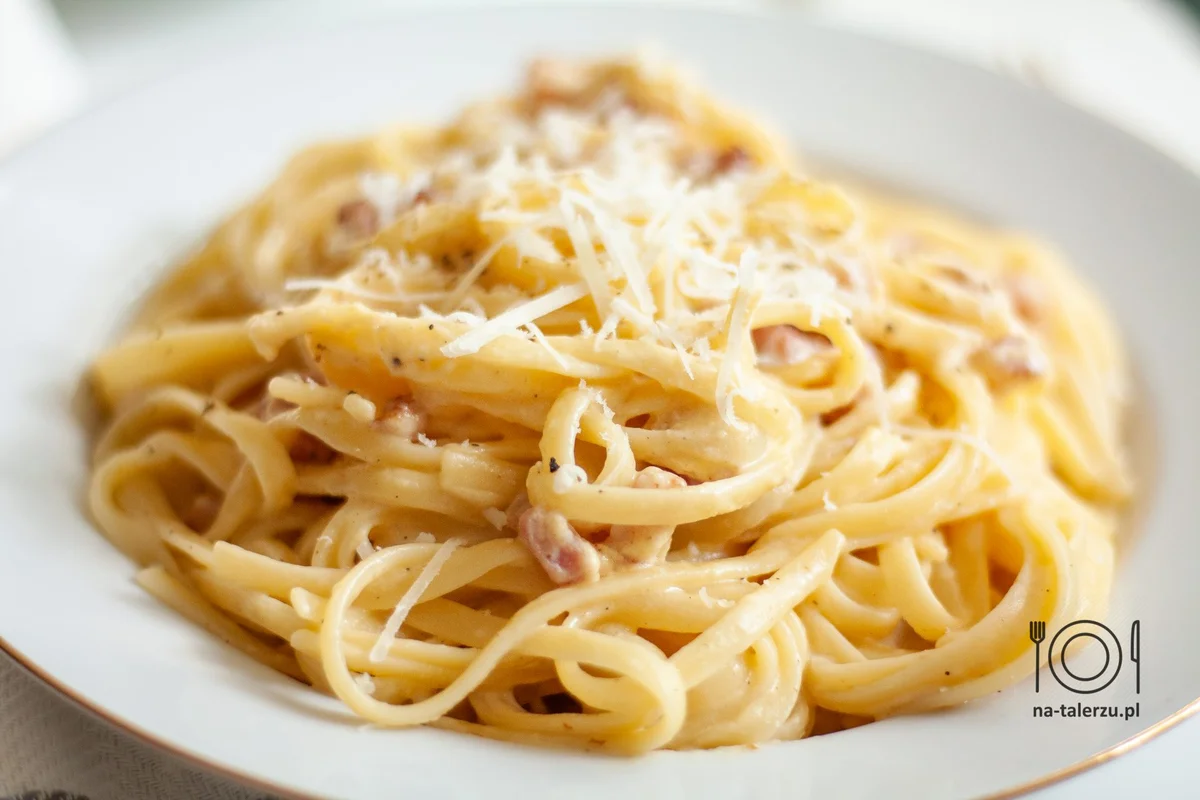
Spaghetti carbonara is a quick Italian pasta dish coated in a silky sauce made with egg yolks, Parmesan and pasta water, rather than cream. Guanciale, pancetta or smoked bacon brings savoury depth, while freshly ground pepper adds a sharp finish.
Ingredients
- 200 gspaghetti
- 100 gguanciale, pancetta or good-quality smoked bacon
- 2egg yolks
- 40 ggrated Parmesan
- 1 clove (optional)garlic
- to tastepepper
Instructions
- 1
Prepare the bacon
Cut the pancetta or bacon into small cubes. Peel the garlic clove and squash it with the flat side of a knife.
- 2
Cook the spaghetti
Bring a pan of water to the boil, add the spaghetti and cook for the time needed to make it al dente.
- 3
Mix the sauce
Stir the grated Parmesan and egg yolks together in a bowl.
- 4
Fry the bacon
Put the diced bacon in a frying pan and add the crushed garlic shortly afterwards. Fry for about 3–4 minutes, then remove the garlic.
- 5
Combine the pasta
Reserve 120 ml (½ cup) of the pasta water. Drain the spaghetti, add it to the frying pan and toss well so it picks up the bacon flavour.
- 6
Make it creamy
Take the pan off the heat. Add a little pasta water and the egg-and-cheese mixture, then stir thoroughly. Add more pasta water as needed until the sauce is smooth and silky.
- 7
Finish and serve
Serve with freshly ground pepper and grated Parmesan on top.
What is spaghetti carbonara?
Carbonara is a pasta dish from Rome, traditionally made with pasta, cured pork, eggs, hard cheese and black pepper. Its defining sauce is emulsified from egg, cheese and starchy pasta water, with no cream needed.
This version keeps the method straightforward and offers guanciale, pancetta or smoked bacon as the pork option. The hot pasta and careful off-heat mixing help create a creamy coating without scrambling the yolks.
Nutrition and macros by portion
The nutrition label shows one serving as written: 700 calories, 31g protein, 70g carbs, 36g fat.
| Portion | Adjustment | kcal | Protein | Carbs | Fat |
|---|---|---|---|---|---|
| Lighter | Use less bacon | 490 kcal | 22g | 49g | 25g |
| This serving | As written | 700 kcal | 31g | 70g | 36g |
| Hungry | Add extra spaghetti | 1050 kcal | 47g | 105g | 54g |
Most of the carbohydrates come from the spaghetti, while the pork, egg yolks and Parmesan supply much of the fat and protein. Pair a serving with a green salad or vegetables for a more balanced plate.
Choosing the pork
Guanciale: this cured pork cheek is the traditional choice and renders flavourful fat as it fries.
Pancetta or bacon: either can stand in; smoked bacon gives the dish a noticeably smokier taste. Cut it into small, even cubes so it cooks quickly.
Why pasta water matters
Starchy cooking water loosens the yolk-and-Parmesan mixture and helps it cling to the spaghetti. Reserve it before draining, then add it gradually rather than pouring it all in at once.
The sauce should look glossy and fluid enough to coat the strands. If it becomes too thick, stir in another small splash of pasta water.
Getting the sauce right
Off the heat: add the egg and cheese mixture only after taking the pan away from the hob. Residual warmth cooks the yolks gently; direct heat can make them set into lumps.
Keep everything moving as you combine the pasta, sauce and water. Work promptly so the spaghetti stays hot enough to form a smooth sauce.
Garlic and pepper
Garlic: the clove is optional and is removed after frying, leaving a subtle aroma without pieces in the finished pasta.
Pepper: freshly ground pepper is added at serving for a pungent finish. Season to taste, bearing in mind that both the pork and Parmesan can be salty.
Timing and serving
Prepare the egg-and-cheese mixture while the pasta cooks, and fry the pork during that time to keep the preparation moving. Follow the spaghetti packet for its al dente cooking time.
Serve as soon as the sauce is made, while it is glossy. A simple green salad or lightly dressed vegetables make a fresh contrast alongside the rich pasta.
Recipe notes & tips
- Grate the Parmesan finely so it mixes smoothly with the yolks.
- Keep the reserved pasta water close at hand before draining the spaghetti.
- Cut the pork into small cubes for quick, even frying.
- Remove the garlic as directed if you want its flavour without a strong garlic presence.
- Serve immediately, before the sauce has a chance to thicken as it cools.
Variations
- Use guanciale: choose it for the traditional cured-pork flavour.
- Use pancetta: swap it for the bacon when you want a less smoky result.
- Skip the garlic: leave it out for a simpler, more traditional-style flavour.
- Add more pepper: grind extra over each serving for a pepper-forward finish.
Common mistakes to avoid
- Scrambling the yolks: take the pan off the heat before adding the egg-and-cheese mixture.
- Adding all the water at once: pour it in gradually so the sauce does not become too thin.
- Forgetting to reserve pasta water: set aside 120 ml before draining the spaghetti.
- Overcooking the pasta: follow the packet timing and aim for al dente.
- Leaving the sauce to stand: serve straight away so it stays smooth and glossy.
How to store
Carbonara is best eaten immediately, as the egg-based sauce thickens as it cools. Refrigerate leftovers in an airtight container for up to 2 days, then reheat gently in a pan with a splash of water, stirring often; avoid high heat.
Frequently asked questions
Can I make carbonara without cream?
Yes. The egg yolks, Parmesan and starchy pasta water make the creamy sauce in this recipe, so cream is not required.
What can I use instead of guanciale?
Pancetta or good-quality smoked bacon are both listed alternatives. Smoked bacon will give the dish a smokier flavour.
How do I stop the eggs from scrambling?
Take the pan off the heat before adding the egg-and-cheese mixture, and stir continuously with a little pasta water.
How much pasta water should I use?
Reserve 120 ml, then add only a little at a time until the sauce is silky and coats the pasta.
Can I prepare carbonara ahead?
It is best made just before serving because the sauce can thicken and lose its silky texture as it sits.
Is the garlic essential?
No, it is optional. The recipe has you remove it after frying, so it lends a gentle aroma rather than remaining in the dish.
Cook it from the original
This recipe comes from na-talerzu.pl. Their page has the author’s own photos, notes and tips — the best place to cook it from.
Open the recipe on na-talerzu.pl