
Low-temperature rice pudding
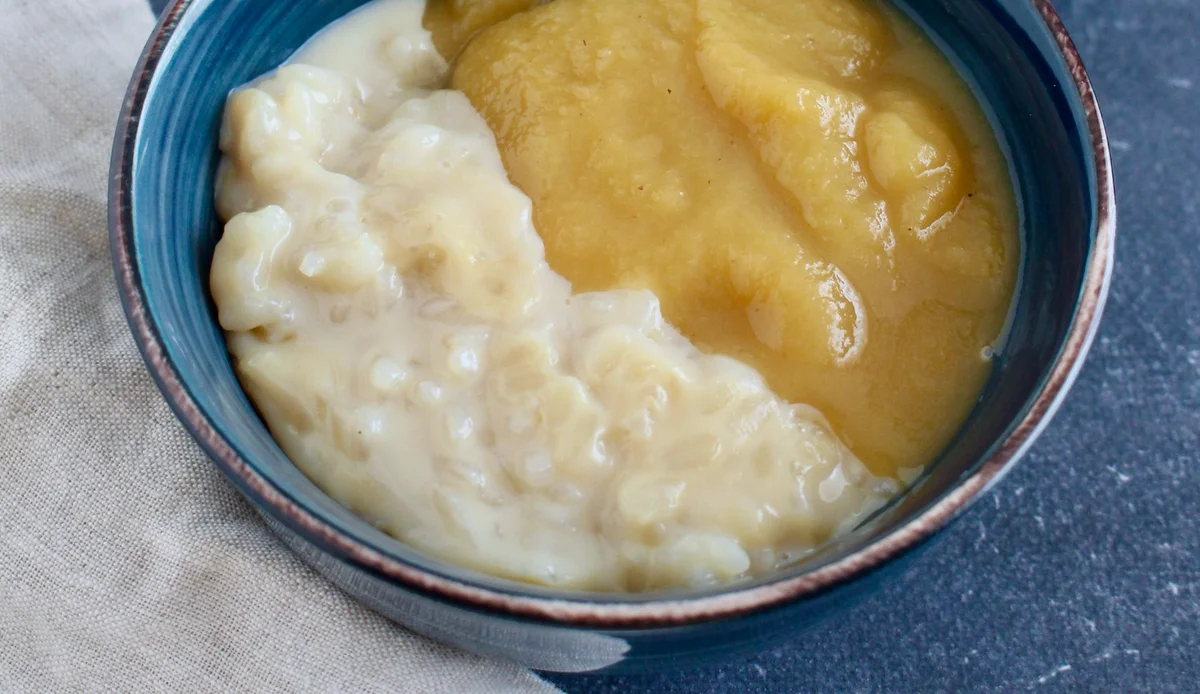
This French-style rice pudding is gently cooked in vanilla soya milk until the rice is tender and creamy. It is a simple, comforting dessert that can be made ahead and chilled.
Ingredients
- 1 litrevanilla soya milk
- 80 gsugar
- 150 ground-grain white rice
Instructions
- 1
Bring milk to the boil
Bring the milk to the boil, stirring from time to time so it does not catch on the bottom of the pan. Add the sugar and rice, stirring until the mixture comes back to the boil.
- 2
Cook the rice
Cook uncovered over a medium heat for 15 minutes, stirring occasionally.
- 3
Rest off the heat
Put the lid on the pan and turn off the heat. Leave the rice to rest for 20 minutes so it can continue to swell.
- 4
Cool and chill
Leave some milk unabsorbed; if it all disappears, the pudding may become very stiff by the next day. Transfer the pudding to an airtight container and let it cool completely before refrigerating.
What is French rice pudding?
French riz au lait is a simple pudding of rice slowly cooked in milk, served warm or chilled. This version uses vanilla-flavoured soya milk, which brings sweetness and aroma without dairy.
The method works by cooking the rice on the hob, then letting it finish swelling in the covered pan. Keeping some milk in the mixture helps the chilled pudding stay soft.
Nutrition and macros by portion
The nutrition label shows one serving as written: 220 calories, 7g protein, 42g carbs, 3g fat.
| Portion | Adjustment | kcal | Protein | Carbs | Fat |
|---|---|---|---|---|---|
| Lighter | Use less sugar | 154 kcal | 5g | 29g | 2g |
| This serving | As written | 220 kcal | 7g | 42g | 3g |
| Hungry | Serve a larger portion | 330 kcal | 11g | 63g | 5g |
Most of the carbohydrates come from the rice and sugar, while the soya milk contributes some protein and fat. Serve a portion with fresh fruit, or alongside a meal with vegetables, to make the overall plate more varied.
Choosing the ingredients
Vanilla soya milk: use the vanilla variety specified, and bear in mind that brands differ in sweetness. Taste the mixture before serving if you would like to adjust the sweetness next time.
Round-grain rice: its short, plump grains release starch as they cook, helping the milk thicken around them. White rice is the type called for here.
Keep the milk moving
Stirring: milk can catch on the base of the pan as it heats, so stir occasionally while bringing it to the boil. Stir again as you add the sugar and rice.
During cooking: give the pan a stir from time to time over the 15 minutes, scraping across the base so the rice cooks evenly.
Use the rest to finish the rice
Covered rest: after the 15-minute cook, put the lid on and switch off the heat. The rice continues to absorb liquid for another 20 minutes, so avoid judging its final texture before this rest.
Milk level: stop while some liquid remains rather than cooking until the pan looks dry. The pudding will thicken further as it cools and chills.
How to judge the texture
Tender grains: taste a grain after the covered rest; it should be swollen and tender rather than chalky in the centre. If it still feels firm, give it a little more time covered.
Creamy finish: the pudding should look loose when it goes into its container, with milk still around the rice. It will set more firmly in the fridge.
Plan the timing
Hob time: the recipe specifies 15 minutes of uncovered cooking, followed by a 20-minute rest off the heat. The milk also needs time to come to the boil.
Chilling: allow the pudding to cool completely before refrigerating it in an airtight container. Make it ahead when you want a cold dessert ready to serve.
What to serve with it
Fruit: serve the pudding with fresh berries, sliced pear or stewed apple for a fresh contrast to its creamy texture.
Spice: a light dusting of cinnamon or a little grated citrus zest can complement the vanilla. Add toppings at serving time so they do not change the pudding's texture as it chills.
Recipe notes & tips
- Choose a heavy-based pan to help reduce the chance of the milk catching.
- Stir across the bottom of the pan, especially as the milk approaches the boil.
- Keep the lid on during the 20-minute rest so the rice can continue to swell.
- Leave visible milk around the rice before transferring it to the container.
- Cool the pudding fully before sealing and refrigerating it.
Variations
- Cinnamon: add a small pinch while the rice cooks for a warm spice note.
- Citrus zest: stir in a little finely grated lemon or orange zest before serving.
- Fresh fruit: top chilled portions with berries or sliced pear.
- Stewed apple: serve with soft cooked apple for a fruity contrast.
- Extra vanilla: add a little vanilla extract if your soya milk has a mild vanilla flavour.
Common mistakes to avoid
- Milk catching: stir from time to time as it heats and cooks, paying attention to the bottom of the pan.
- Skipping the rest: keep the pan covered off the heat for the full 20 minutes so the rice can swell.
- Cooking until dry: leave some milk unabsorbed, as the pudding thickens further when chilled.
- Sealing while hot: let the pudding cool completely before closing it in an airtight container.
- Expecting it to stay loose: allow for the rice to set as it cools, and loosen it with a splash of soya milk when reheating if needed.
How to store
Store the cooled pudding in an airtight container in the fridge and eat within 3 days. Reheat gently in a pan or microwave, stirring in a splash of soya milk to loosen it if it has become firm.
Frequently asked questions
Can I serve this rice pudding warm?
Yes. It can be served after the covered rest, though it will be looser than it is once chilled.
Why is the pudding too firm after chilling?
The rice continues to absorb liquid as it cools, so it may have been cooked until too much milk evaporated or was absorbed. Stir in a little soya milk to loosen it.
Can I use another type of rice?
Round-grain white rice is specified because it helps create a creamy texture. Other rice may absorb liquid differently and give a different result.
Do I need to stir constantly?
No, but stir occasionally while the milk heats and during the 15-minute cooking time. This helps prevent the milk and rice from catching on the pan.
Can I make it ahead?
Yes. Cool it completely, then refrigerate it in an airtight container so it is ready to serve chilled.
Cook it from the original
This recipe comes from leculdepoule.co. Their page has the author’s own photos, notes and tips — the best place to cook it from.
Open the recipe on leculdepoule.co