
Spicy Pork Adobo
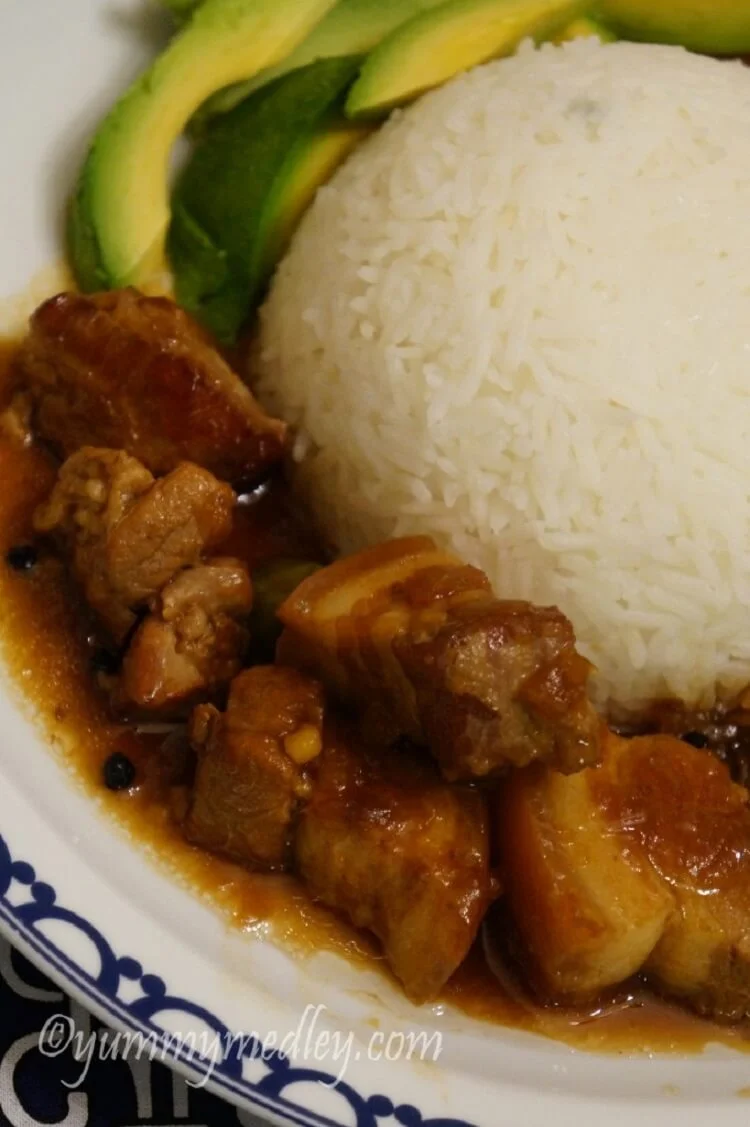
This spicy pork adobo simmers browned pork belly with vinegar, soy sauce, garlic and chillies until the sauce is reduced and savoury. It is a straightforward Filipino-style dish to serve hot with rice for an economical, flavour-packed meal.
Ingredients
- 907 g (2 pounds)pork belly, cut into 2.5 cm (1 inch) cubes
- 1red onion, sliced
- 5garlic cloves, minced
- 4bay leaves
- 5 ml (1 tsp)black peppercorns
- 2–3whole habanero peppers, or another hot pepper of your choice
- 60 ml (1/4 cup)rice vinegar
- 120 ml (1/2 cup)soy sauce
- 480 ml (2 cups)water
- 5 ml (1 tsp)salt
Instructions
- 1
Brown the pork
Heat a pot over medium heat. Add the pork and stir continuously for 10 minutes, until its fat starts to render. If using a lean cut, add about 30 ml (2 tbsp) of oil before adding the meat.
- 2
Soften the onion
Once the pork begins to brown and some fat has rendered, add the onion and salt. Keep stirring for another 5 minutes, until the onion starts to wilt.
- 3
Add the seasonings
Add the garlic, bay leaves, peppercorns, peppers, rice vinegar and soy sauce. Simmer over high heat for 5 minutes.
- 4
Reduce the sauce
Pour in the water and cook over low heat for 20 minutes, or until the sauce has thickened and reduced to about half.
- 5
Check and serve
Taste and adjust the seasoning if needed, then serve hot.
What is pork adobo?
Adobo is a Filipino style of cooking in which meat is simmered with a savoury, tangy mixture often built around vinegar, garlic and seasonings. Recipes vary between households and regions, and this version combines rice vinegar and soy sauce with pork belly and hot peppers.
The pork browns first, then cooks gently in the seasoned liquid. That sequence gives the sauce a deep savoury character while the vinegar brings a bright counterpoint to the rich meat.
Nutrition and macros by portion
The nutrition label shows one serving as written: 614 calories, 0g protein, 0g carbs, 0g fat.
| Portion | Adjustment | kcal | Protein | Carbs | Fat |
|---|---|---|---|---|---|
| Lighter | Use leaner pork | 430 kcal | 0g | 0g | 0g |
| This serving | As written | 614 kcal | 0g | 0g | 0g |
| Hungry | Serve with extra rice | 921 kcal | 0g | 0g | 0g |
Pork belly provides most of this dish's fat and protein, while the soy sauce and vinegar form the seasoned sauce; it contains little carbohydrate apart from small amounts in the onion and seasonings. Serve it with rice and vegetables, adjusting the rice portion to suit the rest of the meal.
Why pork belly works
Pork belly: its fat begins to render as the pieces brown, providing the cooking fat for the onion and helping keep the meat succulent during the simmer.
Lean cuts: the method suggests adding about 30 ml (2 tbsp) of oil before the meat if it has little fat. Keep an eye on the pot, as lean pork can dry out more readily.
Building the adobo flavour
Vinegar and soy: rice vinegar gives the sauce its tang, while soy sauce contributes salt and savoury depth. The water added later loosens the mixture so it can simmer around the pork.
Aromatics: garlic, onion, bay leaves and peppercorns season the cooking liquid as it reduces. Add the whole chillies with these ingredients; use fewer or milder peppers if you want less heat.
Getting the texture right
Rendered fat: stir the pork continuously during the first 10 minutes so it browns while its fat starts to melt into the pot. The recipe then cooks the onion for 5 minutes, until it has wilted.
Reduced sauce: after adding the water, simmer on low for 20 minutes and look for a thicker sauce that has reduced to about half. If it is not there yet, continue cooking until it reaches that cue.
Timing and seasoning
The listed cooking stages add up to 42 minutes: 10 minutes to brown the pork, 5 minutes for the onion, 5 minutes for the initial simmer and 20 minutes after adding water. Have the ingredients ready before you begin so the short transitions are easy to manage.
Taste at the end, as instructed, before serving. The soy sauce and salt both contribute seasoning, so adjust only after the sauce has reduced.
What to serve with it
Rice: plain steamed rice is a practical partner for the savoury sauce and helps make the pork into a filling meal. Spoon some of the reduced sauce over the rice.
Vegetables: serve with a simple side of greens or another crisp vegetable to bring contrast to the rich pork. Keep the side lightly seasoned so it does not compete with the adobo.
Recipe notes & tips
- Cut the pork into evenly sized cubes so the pieces brown at a similar rate.
- Stir continuously while browning to help prevent the pork from catching on the pot.
- Use the lower end of the chilli range for a milder result.
- Keep the pot at a low simmer after adding water rather than letting it boil rapidly.
- Taste after the sauce has reduced, then adjust the seasoning if needed.
Variations
- Chicken: swap in chicken pieces and check that they are cooked through before serving.
- Beef: use beef in place of the pork and simmer until tender.
- Seafood: try seafood instead, adding it with timing suited to the type so it does not overcook.
- Milder heat: use one mild hot pepper or leave the chillies out.
- Lean pork: choose a lean cut and add about 30 ml (2 tbsp) of oil before browning.
Common mistakes to avoid
- Skipping the browning: the first stage helps render the pork fat, so give it the full 10 minutes and stir continuously.
- Adding oil to fatty pork: pork belly renders its own fat; reserve the added oil for a lean cut.
- Overcooking the onion: cook it for about 5 minutes, just until it begins to wilt.
- Boiling hard after adding water: keep the heat low so the sauce reduces steadily over 20 minutes.
- Seasoning too early: taste after reduction, since the soy sauce and salt both season the dish.
How to store
Refrigerate leftovers in a covered container and use within 3 days. Reheat gently in a saucepan until piping hot, adding a splash of water if the sauce has thickened too much.
Frequently asked questions
How spicy is this pork adobo?
The heat depends on the peppers you choose and whether you use two or three. Use fewer or milder chillies for a gentler result.
Can I use a leaner cut of pork?
Yes. The method recommends adding about 30 ml (2 tbsp) of oil to the pot before the meat if the cut is lean.
How do I know when the sauce is ready?
After the 20-minute low simmer, it should be thicker and reduced to about half its original amount.
Can I make this with another protein?
The recipe description suggests chicken, beef or seafood as alternatives. Adjust the cooking time to suit the protein and ensure it is cooked through.
What should I serve with pork adobo?
Steamed rice is a simple match for the savoury sauce. A lightly seasoned vegetable side adds contrast to the rich pork.
Cook it from the original
This recipe comes from yummymedley.com. Their page has the author’s own photos, notes and tips — the best place to cook it from.
Open the recipe on yummymedley.com