
Kala Chana Masala
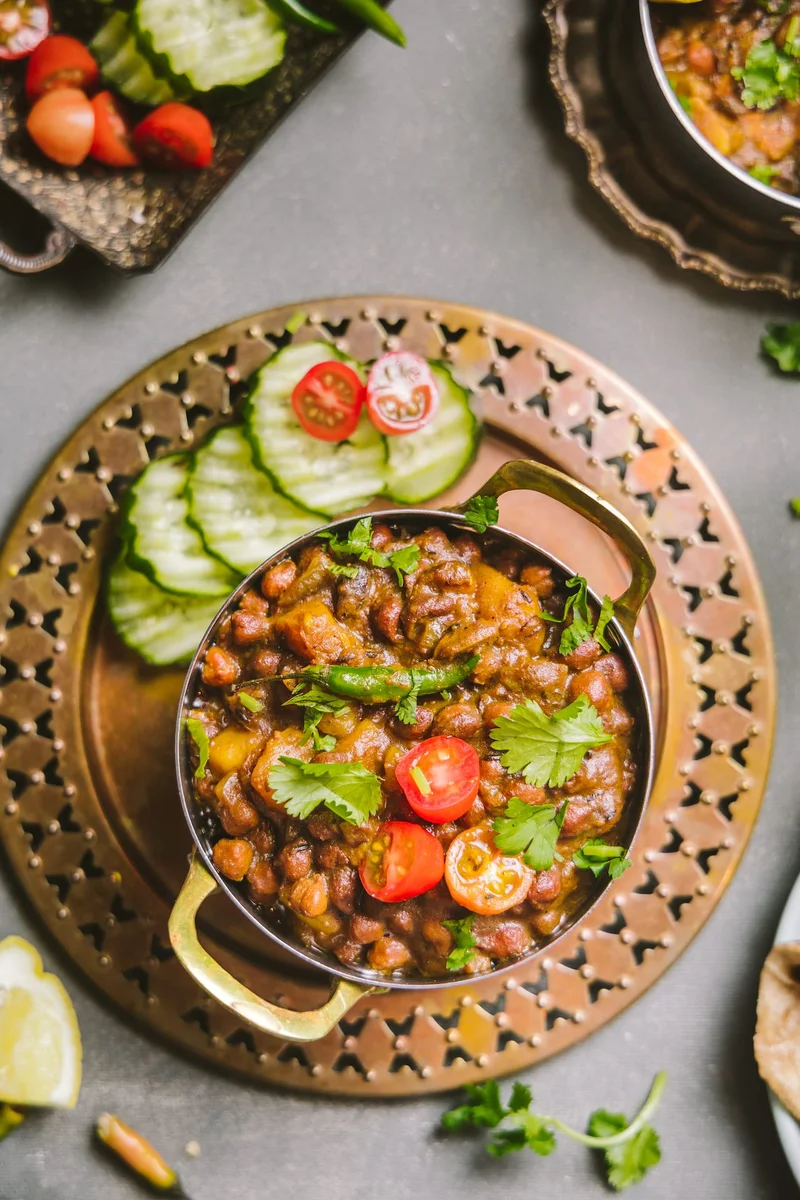
Kala Chana Masala is a North Indian chickpea dish cooked with potatoes, tomatoes and warming spices until it turns into a thick, semi-gravy curry. Serve it warm with paratha or rice for a satisfying vegetarian meal.
Ingredients
- 200 g (1 cup)kala chana (brown chickpeas), soaked overnight
- 30 ml (2 tablespoons)oil
- 1 stick (about 7.5 cm)cinnamon
- 2bay leaves
- 5 ml (1 teaspoon)cumin seeds
- 2.5 ml (1/2 teaspoon)fennel seeds
- 3green cardamom pods
- 2.5 cm (1 inch)fresh ginger, finely grated
- 3 clovesgarlic, finely grated
- 1green chilli, finely chopped
- 170 g (6 oz)red onion, finely chopped
- 2.5 ml (1/2 teaspoon)ground turmeric
- 2.5 ml (1/2 teaspoon)ground cumin
- 2.5 ml (1/2 teaspoon)ground fennel
- 2.5 ml (1/2 teaspoon)ground coriander
- 170 g (6 oz)tomato, finely chopped
- 227 g (8 oz)potato, diced into small pieces
- 2.5 ml (1/2 teaspoon)garam masala
- 30 ml (2 tablespoons)cilantro leaves, finely chopped
- to tastesalt
Instructions
- 1
Boil the chickpeas
Cook the chickpeas soaked overnight in a pressure cooker until they are soft enough to crush between your fingers while still holding their shape.
- 2
Fry the spices
Warm the oil in a heavy-based pan over medium heat and add the whole spices. Add the ginger, garlic and green chilli, then cook for 1 minute.
- 3
Cook the onion
Add the chopped onion, season with salt and stir in all the ground spices. Cook for 3 minutes, stirring.
- 4
Add the tomato
Stir in the chopped tomato and cook until the spices no longer smell raw and oil begins to show at the edges of the pan. If the mixture starts sticking, drizzle in a little water and continue sautéing.
- 5
Simmer the curry
Add the diced potato and boiled chickpeas and stir to combine. Pour in 60 ml (1/4 cup) water, cover and simmer over medium-low heat for 5 minutes, until the potato and chickpeas have softened further and the flavours have melded.
- 6
Check the seasoning
Taste the curry and add more salt if needed.
- 7
Finish and serve
Stir in the garam masala and cook for 3 minutes. Scatter over the chopped cilantro and serve warm with paratha or rice.
What is kala chana masala?
Kala chana masala is a North Indian curry made with dark brown chickpeas and a spiced onion-and-tomato base. It is commonly served as a side dish, often with paratha, and can be cooked with more liquid to accompany rice.
This version includes potato and keeps the sauce relatively thick. Cooking the chickpeas until tender before adding them lets the brief simmer bring the flavours together without turning them to mush.
Nutrition and macros by portion
The nutrition label shows one serving as written: 320 calories, 13g protein, 52g carbs, 9g fat.
| Portion | Adjustment | kcal | Protein | Carbs | Fat |
|---|---|---|---|---|---|
| Lighter | Less oil, more vegetables | 224 kcal | 9g | 36g | 6g |
| This serving | As written | 320 kcal | 13g | 52g | 9g |
| Hungry | Larger portion with rice | 480 kcal | 20g | 78g | 14g |
Most of the carbohydrates and fibre come from the chickpeas and potato; the chickpeas also provide much of the protein. Oil supplies most of the fat, while vegetables and spices contribute smaller amounts of the macros. Pair a serving with a generous vegetable side, and choose paratha or rice according to how filling you want the meal to be.
The chickpeas and spices
Kala chana: Soaking the dried chickpeas overnight helps them cook more evenly. Pressure-cook until tender but intact, as they will soften further in the pan.
Whole spices: Cinnamon, bay leaves, cumin, fennel and cardamom flavour the oil first. Ginger, garlic and green chilli follow for a fragrant base.
Ground spices: Turmeric, cumin, fennel and coriander season the onion and tomato mixture. Garam masala goes in near the end to keep its aroma noticeable.
Build a well-cooked masala
Onion: Give it the full 3 minutes with the ground spices, stirring so the mixture cooks without catching. The chopped tomato then needs time to lose its raw smell and soften into the base.
Tomato: Look for oil beginning to separate at the sides of the pan as a cue that the masala has cooked down. If it sticks before reaching that point, a small drizzle of water helps loosen it so you can keep sautéing.
Get the texture right
Potato: Cut it into small, even pieces so it can soften during the covered 5-minute simmer. Keep the pieces small enough to become tender without needing a long cook.
Sauce: The stated 60 ml of water makes a fairly thick, semi-gravy curry. Stir gently after simmering so the chickpeas stay mostly whole while the potato and masala thicken the sauce.
Finish with garam masala
Adding garam masala after the simmer gives the curry a final layer of fragrance. Cook it for the specified 3 minutes, then finish with cilantro just before serving.
Taste for salt before adding the finishing spice, and adjust it to suit your palate. The recipe gives no fixed salt quantity, so start modestly and add more as needed.
What to serve with it
Paratha is a classic partner for this thicker version and makes it easy to scoop up the chickpeas and potato. Rice works well too, particularly if you prefer a softer, more spoonable meal.
For a more balanced plate, serve a modest portion alongside a fresh, simply dressed vegetable salad or another vegetable side.
Recipe notes & tips
- Soak the chickpeas overnight so they are ready to pressure-cook.
- Cook the chickpeas until tender but still holding their shape.
- Keep the potato pieces small and similar in size for more even softening.
- Stir the masala regularly as the onion and tomato cook to prevent it catching.
- Add only a little water if the tomato mixture sticks, then continue sautéing.
- Add the cilantro at the end so its fresh flavour remains prominent.
Variations
- More gravy: Add a little extra water during the covered simmer for a looser curry.
- Milder chilli: Remove the chilli seeds or use less green chilli for gentler heat.
- No potato: Leave out the potato for a chickpea-focused version.
- Fresh tomatoes: Use ripe tomatoes for a softer, juicier masala base.
- Extra greens: Stir in chopped spinach near the end and cook until wilted.
Common mistakes to avoid
- Undercooked chickpeas: Pressure-cook until they crush between your fingers but still keep their shape.
- Overcooked chickpeas: Check tenderness before adding them to the pan, as they cook further in the simmer.
- Burning the masala: Stir as it cooks and add a small drizzle of water if it begins to stick.
- Large potato pieces: Dice them small so they have time to soften during the short simmer.
- Watery curry: Stick to the stated 60 ml water for the semi-gravy texture, or simmer uncovered briefly to reduce excess liquid.
- Adding garam masala too early: Stir it in after the simmer and cook for the final 3 minutes.
How to store
Refrigerate cooled leftovers in an airtight container for up to 3 days. Reheat gently in a pan or microwave until hot throughout, adding a splash of water if the curry has thickened.
Frequently asked questions
Can I make kala chana masala without a pressure cooker?
Yes, simmer the soaked chickpeas in a covered saucepan until tender, checking and topping up the water as needed. The cooking time will vary, so use tenderness rather than the clock as your guide.
Can I use tinned chickpeas?
You can, but the recipe is written for dried chickpeas soaked overnight and pressure-cooked. Drain and rinse tinned chickpeas, then add them at the stage where the cooked chickpeas go in; they need less cooking, so check the potato for doneness.
How can I make the curry more gravy-like?
Add extra water during the covered simmer until the sauce reaches your preferred consistency. The recipe's stated amount produces a thicker, semi-gravy result.
What should I serve with kala chana masala?
Serve it warm with paratha or rice. A fresh vegetable side also works well alongside the rich, spiced curry.
How do I know the chickpeas are cooked?
They should be soft enough to crush between your fingers but still retain their shape. They will soften a little more in the pan.
Is kala chana masala vegan?
The listed ingredients are plant-based. Serve it with a vegan paratha or rice if you want to keep the whole meal vegan.
Cook it from the original
This recipe comes from playfulcooking.com. Their page has the author’s own photos, notes and tips — the best place to cook it from.
Open the recipe on playfulcooking.com