
Quick biscuits
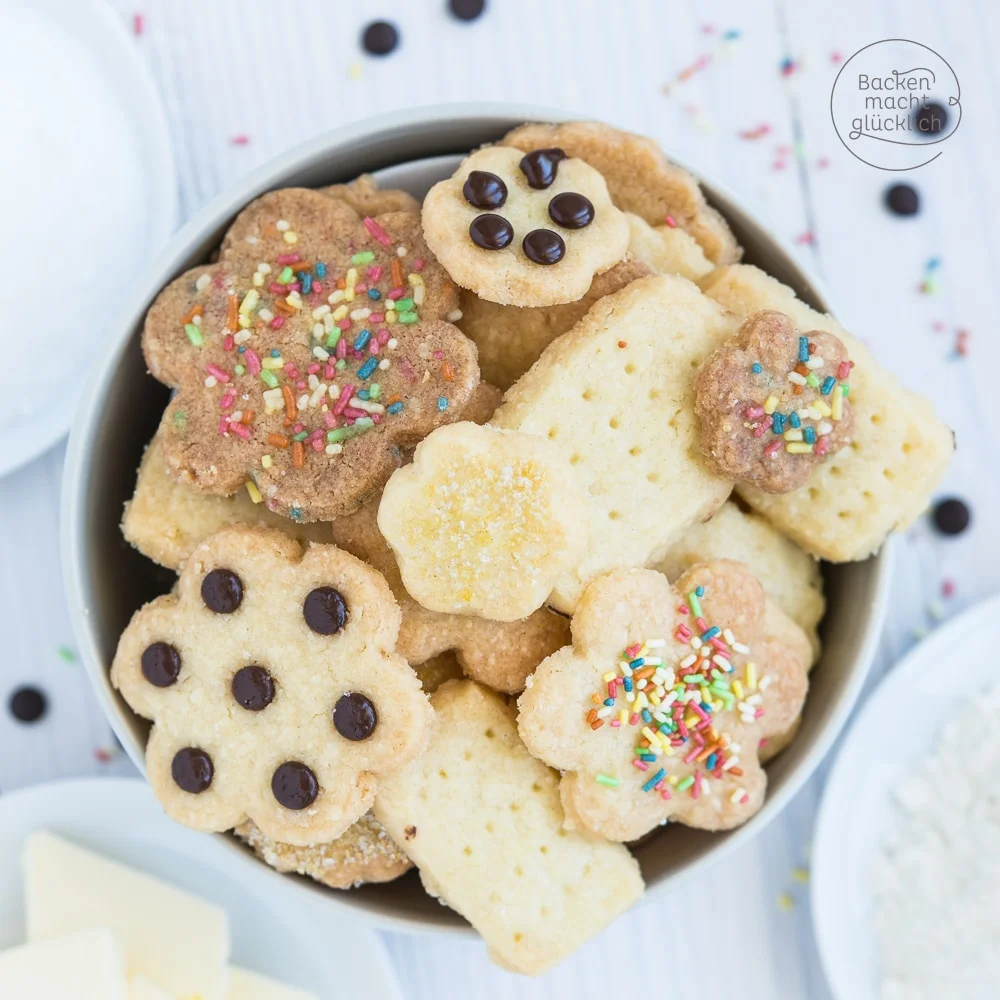
These quick, egg-free biscuits are made with just flour, sugar and butter. Chill the dough, cut it into shapes and bake a batch to enjoy plain or with your own additions.
Ingredients
- 220 gplain flour
- 110 gsugar
- 150 gcold butter, cut into small pieces
- 1 tsp, if neededice water
Instructions
- 1
Make the dough
Knead the flour, sugar and butter together, ideally using a food processor first, then briefly bring the mixture together by hand. It may look crumbly at first, then resemble streusel before becoming smooth and cohesive. If necessary, add 1 tsp of ice water.
- 2
Chill the dough
Shape the dough into two balls and refrigerate for about 30 minutes or longer. After chilling, preheat the oven to 175°C, using conventional top and bottom heat, and line two baking trays with baking paper.
- 3
Shape the biscuits
Take the first ball of dough from the fridge and let it sit briefly at room temperature. Flatten it slightly by hand, then roll it out on a lightly floured surface or, preferably, between sheets of film. Cut out about 30 biscuits, depending on their size, or use a sharp knife to cut the dough into diamond shapes.
- 4
Bake the biscuits
Arrange the biscuits on a tray with a little space between them and bake for about 10–12 minutes. Repeat with the remaining dough on the second tray.
What are these quick biscuits?
These are simple, crisp-style biscuits made from a classic combination of flour, sugar and butter, with no eggs. The recipe is a straightforward home-baking version rather than a specific regional speciality.
Three basic ingredients make a dough that can be cut into rounds or diamonds. Chilling helps it firm up for rolling and shaping.
Nutrition and macros by portion
The nutrition label shows one serving as written: 31 calories, 0g protein, 5g carbs, 2g fat.
| Portion | Adjustment | kcal | Protein | Carbs | Fat |
|---|---|---|---|---|---|
| Lighter | Serve fewer biscuits | 22 kcal | 0g | 3g | 1g |
| This serving | As written | 31 kcal | 0g | 5g | 2g |
| Hungry | Add a larger portion | 47 kcal | 1g | 7g | 3g |
The flour and sugar supply most of the carbohydrates, while the butter accounts for most of the fat and saturated fat. There is relatively little protein in each biscuit; serve a few with yoghurt or another protein-containing snack for a more balanced plate.
Why the ingredients matter
Flour: plain flour provides the structure, so measure it carefully for a dough that is workable rather than dry.
Butter: using it cold and in small pieces helps the mixture start crumbly, then come together as you knead.
Sugar: sugar adds sweetness and contributes to the biscuits’ colour as they bake.
Bring the crumbly dough together
At first, the mixture may look like loose crumbs; keep working it until it changes into a cohesive dough. A food processor can start the job, while a brief finish by hand helps you judge when it has come together.
Add the optional teaspoon of ice water only if the dough still will not hold together. Too much water can make it sticky and harder to roll.
Chilling and rolling
Chill the two dough balls for about 30 minutes or longer, as directed. If the dough is very firm when you take it out, give it a brief moment at room temperature before flattening.
Rolling between sheets of film can reduce sticking; alternatively, use a lightly floured work surface. Aim for an even thickness so the biscuits bake at a similar rate.
Cutting and baking cues
Cut out about 30 biscuits from the first dough ball, with the exact number depending on their size, or cut diamond shapes with a sharp knife. Leave a little space between them on the tray.
Bake at 175°C for 10–12 minutes. Check towards the end of the range, as smaller or thinner biscuits may be ready sooner; repeat with the remaining dough on the second tray.
How to serve them
Serve the biscuits plain with tea or coffee, or add a topping once they have cooled. Their simple buttery sweetness also makes them suitable for dipping in melted chocolate.
For a snack plate, pair a few biscuits with fruit or yoghurt. This adds a contrasting fresh element without changing the dough.
Recipe notes & tips
- Cut the butter into small pieces before mixing so it is easier to work into the flour.
- Use the food processor to start mixing, then finish briefly by hand to check the dough’s consistency.
- Add the optional ice water a little at a time, and only if the dough will not come together.
- Roll between sheets of film if the dough sticks to the work surface.
- Keep the cut biscuits spaced slightly apart on the tray.
- Check the first tray near the 10-minute mark, especially if the biscuits are small.
Variations
- Add citrus zest: mix finely grated lemon or orange zest into the dough.
- Add vanilla: work a little vanilla extract into the mixture for a fragrant flavour.
- Dip in chocolate: coat the cooled biscuits in melted chocolate.
- Add spice: mix a pinch of cinnamon into the flour and sugar.
- Change the shape: use cutters or cut the rolled dough into diamonds with a sharp knife.
Common mistakes to avoid
- Stopping while the dough is crumbly: keep kneading until it becomes cohesive, adding 1 tsp of ice water only if needed.
- Adding too much water: use just the optional teaspoon if the dough will not hold together.
- Rolling very cold dough straight away: let it sit briefly at room temperature so it can be flattened.
- Using an unfloured surface: lightly flour it or roll between sheets of film to help prevent sticking.
- Crowding the tray: leave a little space between biscuits so they bake evenly.
- Overbaking: check after 10 minutes and use the recipe’s 10–12-minute range as a guide.
How to store
Once completely cool, store the biscuits in an airtight container at room temperature and use within about a week for the best texture. They are best eaten as biscuits rather than reheated.
Frequently asked questions
Why is the dough so crumbly at first?
That is part of the method: the mixture starts crumbly and gradually comes together as you knead. Add the optional 1 tsp of ice water only if it still will not form a dough.
How long should I chill the dough?
Chill it for about 30 minutes or longer. The recipe then suggests letting the first ball sit briefly at room temperature before rolling.
Can I cut the biscuits into shapes?
Yes. Cut out about 30 biscuits, depending on their size, or use a sharp knife to make diamond shapes.
Can I roll the dough without flouring the surface?
The method recommends a lightly floured surface or, preferably, rolling between sheets of film. Either approach helps make the dough easier to handle.
How can I tell when the biscuits are baked?
Bake for 10–12 minutes at 175°C, checking towards the end of the range. Smaller biscuits may need less time, so keep an eye on the first tray.
How many biscuits does the recipe make?
The recipe serves 60 and suggests cutting about 30 biscuits from the first ball. The final number depends on the size and shape of the biscuits.
Cook it from the original
This recipe comes from backenmachtgluecklich.de. Their page has the author’s own photos, notes and tips — the best place to cook it from.
Open the recipe on backenmachtgluecklich.de