
How to Cook Rice - The Ultimate Guide
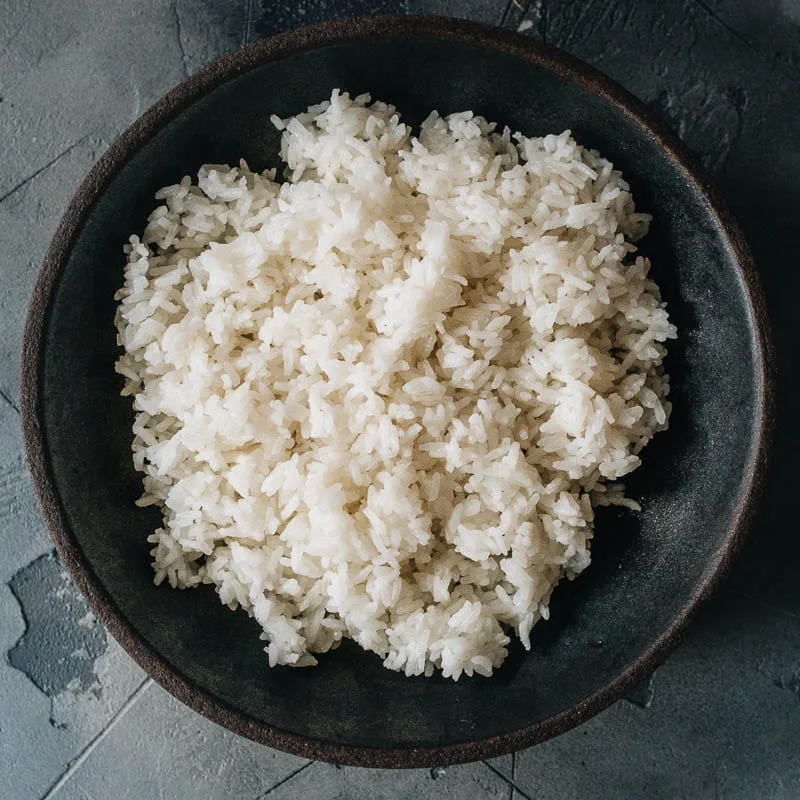
A practical guide to cooking plain white rice on the hob, in an Instant Pot or in a rice cooker. Rinsing the grains and matching the water to your rice and cooking method help produce a fluffy, evenly cooked result.
Ingredients
- 250 ml (1 cup)white rice
- As directed for your rice and cooking methodwater
Instructions
- 1
Rinse the rice
Put the rice in a large bowl and add tap water until it covers the grains by 2.5 cm. Gently swirl the rice with your fingers, then drain. Repeat once or twice. Hold your palm over the rice to keep it in the bowl as you pour away as much water as possible.
- 2
Prepare the pan
Transfer the rinsed rice to a pan. Add the water amount specified for your rice and method, then gently shake the pan to spread the rice in an even layer. The water should cover the rice.
- 3
Bring to boil
Cook over medium heat until the water reaches a full boil. Cover the pan and immediately reduce the heat to low. Cook for the time given for your rice; keep the lid on while it steams.
- 4
Rest the rice
When cooking is complete, take the pan off the heat and leave it covered for 10 minutes.
- 5
Fluff and hold
After resting, fluff the rice with a fork or spatula. If a little moisture remains in the pan, cover it again and leave the rice to rest for a little longer. Keep the lid on until you are ready to serve.
- 6
Fill the cooker
Put the rinsed rice in the Instant Pot and add the water amount specified for your rice and method. Gently shake the inner pot so the rice sits in an even layer and the water covers it. Fit the lid, twist to lock, and set the valve to sealing.
- 7
Set pressure cooking
Select Manual, choose high pressure and set the timer for 5 minutes.
- 8
Release and fluff
When the cooking programme ends, let the rice steam for 10 minutes, then use quick release. Remove the lid and fluff the rice with a fork or spatula. Keep the lid on until you are ready to serve.
- 9
Measure cooker water
Put the rinsed rice in the rice cooker. Add water using the markings inside the cooker pot or the instructions supplied with the appliance. Gently shake the inner pot to level the rice; the water should cover it.
- 10
Start the cooker
Press the start button and let the rice cook. Avoid opening the lid, as escaping steam can affect the cooking.
- 11
Fluff and serve
The cooker will usually beep when the rice is ready and may switch automatically to its keep-warm setting. Fluff the rice with the supplied paddle or a spatula, then cover it again until serving.
What is this rice guide?
Rice is a staple across Chinese cooking, served alongside dishes or used as the base for a meal. This guide focuses on plain white rice and gives three ways to cook it: on the hob, in an electric pressure cooker or in a rice cooker.
The useful principle is to rinse the grains, use the water guidance for the rice variety and appliance, then leave the cooked rice covered to finish steaming.
Nutrition and macros by portion
The nutrition label shows one serving as written: 338 calories, 7g protein, 74g carbs, 1g fat.
| Portion | Adjustment | kcal | Protein | Carbs | Fat |
|---|---|---|---|---|---|
| Lighter | Serve a smaller scoop | 237 kcal | 5g | 52g | 0g |
| This serving | As written | 338 kcal | 7g | 74g | 1g |
| Hungry | Add another scoop | 507 kcal | 10g | 111g | 1g |
Most of the carbohydrate in a serving comes from the rice, while it contributes a modest amount of protein and very little fat. Pair it with a protein-rich dish and vegetables for a more balanced plate.
Rinsing the grains
Rinsing: Swirl the rice gently in water and drain it once or twice. This washes away loose surface starch, which can otherwise make the cooked grains stick together more.
Getting the water right
Water amount: The guide refers to a chart for the rice-to-water ratios, but that chart is not included here. Use the ratio for your specific rice variety and cooking method rather than guessing or treating the amount as identical for every cooker.
Rice cooker: Follow the pot markings or the appliance instructions. These are intended for that cooker and may differ from the amounts used on the hob.
Cooking on the hob
Heat: Bring the water to a full boil over medium heat, then cover the pan and turn the heat down to low straight away. A steady low heat lets the rice steam without boiling dry too quickly.
Lid: Keep the pan closed during cooking. Opening it releases steam and interrupts the conditions the rice needs to cook evenly.
Resting and checking texture
Rest: Leave hob-cooked rice covered off the heat for 10 minutes before fluffing. This gives moisture time to distribute through the grains.
Moisture: If liquid remains after resting, cover the pan again and leave it for a little longer. Fluff gently with a fork or spatula once the rice is ready.
Serving and keeping warm
Serving: Keep the rice covered until you are ready to eat so it stays warm and does not dry out. Serve it alongside a main dish, or use it as a base for vegetables, tofu, fish or meat.
Rice cooker: Many models switch to a keep-warm setting after cooking. Fluff the rice once it is done, then replace the lid until serving.
Recipe notes & tips
- Rinse the rice gently so you do not break the grains.
- Drain the rinsing water thoroughly before adding the measured cooking water.
- Use the water guidance for your specific rice variety and appliance.
- Keep the lid closed while rice cooks on the hob or in the rice cooker.
- Let hob-cooked rice rest covered for the full 10 minutes before fluffing.
- Use a fork or spatula to fluff the grains gently rather than stirring them vigorously.
Variations
- Choose jasmine rice: Use the water ratio and cooking time specified for jasmine rice.
- Try another grain: Adjust the water and cooking time to suit short-, medium- or long-grain rice.
- Serve with greens: Add steamed or stir-fried vegetables alongside the rice.
- Make a fuller meal: Pair the rice with tofu, fish, eggs or meat.
- Season at the table: Serve plain rice with a savoury dish or sauce rather than changing the basic cooking method.
Common mistakes to avoid
- Guessing the water amount: Check the guidance for the rice variety and cooking method you are using.
- Opening the hob pan: Keep the lid on during steaming so heat and moisture stay inside.
- Using high heat throughout: Reduce the heat to low as soon as the water reaches a full boil.
- Skipping the rest: Leave hob-cooked rice covered for 10 minutes before fluffing.
- Draining carelessly: Hold your palm over the grains as you pour off the rinse water.
- Fluffing too roughly: Use a fork or spatula and lift the grains gently.
How to store
Cool leftover rice promptly, transfer it to a covered container and refrigerate for up to 1 day. Reheat until piping hot throughout, adding a splash of water if needed; do not reheat it more than once.
Frequently asked questions
How much water should I use?
The recipe refers to a chart that is not included in the supplied details. Follow the ratio for your rice variety and cooking method; for a rice cooker, use its markings or instructions.
Do I need to rinse white rice?
Rinsing is part of this method. Swirl the rice in water and drain it once or twice to wash away loose surface starch.
Can I cook this in a rice cooker?
Yes. Add the rinsed rice and water according to the cooker markings or instructions, then start the machine without opening the lid during cooking.
How do I cook it in an Instant Pot?
Add the rinsed rice and the appropriate water amount, lock the lid with the valve set to sealing, then cook on high pressure for 5 minutes. Let it steam for 10 minutes before using quick release.
Why is my cooked rice still wet?
If a little moisture remains after the hob method, cover the pan again and leave it to rest a little longer. Check the water amount for your rice and method next time.
Can I make the rice ahead?
You can cook it ahead and refrigerate it in a covered container for up to 1 day. Reheat it until piping hot throughout.
Cook it from the original
This recipe comes from omnivorescookbook.com. Their page has the author’s own photos, notes and tips — the best place to cook it from.
Open the recipe on omnivorescookbook.com