
Gluten Free Sweet Red Bean Rice Cake (Tteok Ppang)
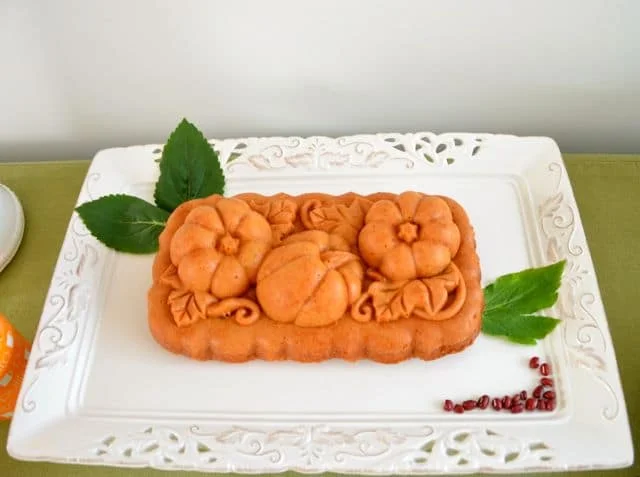
Tteok ppang brings together the buttery flavour of a simple cake and the soft, gently chewy texture of a Korean rice cake. Sweet red bean paste and optional chopped nuts make it a comforting bake to slice and share.
Ingredients
- 454 gsweet rice flour
- 100–200 gsugar
- 480 mlmilk
- 113 gsalted butter, softened or melted
- 2eggs
- 15 mlvanilla extract
- 5 mlbaking powder
- 1.25 mlsalt
- ½–1 can, or 240 ml homemadeazuki red bean paste
- 120 g, optionalchopped walnuts or pecans
- 123 × 13 cm loaf tin
Instructions
- 1
Preheat the oven
Heat the oven to 180°C.
- 2
Combine dry ingredients
In a mixing bowl, stir together the sweet rice flour, baking powder and salt.
- 3
Add wet ingredients
Add the milk, vanilla extract, eggs, butter and sugar to the flour mixture.
- 4
Mix the batter
Beat with a cake mixer for at least 3 minutes, until well combined with few or no lumps.
- 5
Fold in bean paste
Fold the red bean paste into the batter.
- 6
Add the nuts
Chop the nuts, if using, and stir them into the batter.
- 7
Bake the cake
Pour the batter into a non-stick 23 × 13 cm loaf tin. Bake at 180°C for 1 hour, until a toothpick inserted into the cake comes out clean.
What is tteok ppang?
Tteok ppang is a Korean-style rice cake baked in a loaf shape; the name combines words for rice cake and bread. Rather than relying on wheat flour, this version uses sweet rice flour for a smooth, pleasantly chewy crumb.
Buttery cake flavours meet sweet azuki bean paste, giving each slice a mix of soft, rich and gently sweet textures. Nuts are optional, but add a contrasting crunch.
Nutrition and macros by portion
The nutrition label shows one serving as written: 370 calories, 7g protein, 40g carbs, 19g fat.
| Portion | Adjustment | kcal | Protein | Carbs | Fat |
|---|---|---|---|---|---|
| Lighter | Use less sugar | 259 kcal | 5g | 28g | 13g |
| This serving | As written | 370 kcal | 7g | 40g | 19g |
| Hungry | Serve a larger slice | 555 kcal | 11g | 60g | 29g |
The rice flour and sugar provide most of the carbohydrates, while butter supplies much of the fat and eggs, milk and bean paste contribute protein. Pair a slice with fruit and plain yoghurt, or serve it after a meal with vegetables and a protein-rich main.
The role of sweet rice flour
Rice flour: sweet rice flour, also called glutinous rice flour, is what gives the cake its characteristic soft, slightly chewy texture. It is not interchangeable with ordinary rice flour, which can produce a different result.
Even mixing: combine the flour, baking powder and salt first, then beat in the wet ingredients until the batter has few or no lumps.
Getting the batter right
Butter: use it softened or melted, as listed, so it can blend into the batter. If softened, beat thoroughly to avoid leaving small pieces.
Bean paste: fold it in rather than beating it aggressively. This keeps the paste from disappearing completely into the batter and helps retain pockets of flavour.
Checking when it is done
Toothpick test: insert a toothpick into the cake after the 1-hour bake. It is ready when the toothpick comes out clean.
Oven timing: ovens can vary, so use the toothpick cue as well as the stated baking time. Let the cake settle before slicing so its soft crumb is easier to handle.
Choosing the sweetness
Sugar: the recipe gives a range of 100–200 g. Choose the lower amount for a less sweet cake, bearing in mind that the red bean paste also contributes sweetness.
Red bean paste: the amount can vary from half to one can, or about 240 ml of homemade paste. The paste’s sweetness and consistency may differ between brands and batches.
Adding nuts and serving
Nuts: walnuts or pecans both work; chop them before folding them into the batter so they are distributed through the loaf. Leave them out for a smoother texture.
To serve: enjoy a slice on its own with tea or coffee, or add fresh fruit and plain yoghurt for a more rounded snack or dessert.
Recipe notes & tips
- Measure the sweet rice flour carefully for a consistent batter.
- Use the lower end of the sugar range if your red bean paste is particularly sweet.
- Beat the batter for at least 3 minutes to reduce lumps.
- Fold the bean paste in gently to keep some distinct swirls or pockets.
- Chop the nuts fairly small so they are easy to distribute through the loaf.
- Check the centre with a toothpick at the end of the baking time.
Variations
- Leave out the nuts: skip them for a smooth, chewy slice.
- Use walnuts: chop them into small pieces for a mild, earthy crunch.
- Use pecans: swap in pecans for a richer nutty flavour.
- Make it less sweet: use 100 g sugar, especially if the bean paste is sweet.
- Use homemade paste: replace the canned paste with about 240 ml homemade azuki paste.
Common mistakes to avoid
- Using ordinary rice flour: choose sweet rice flour to get the intended chewy texture.
- Leaving lumps in the batter: beat for at least 3 minutes and check the mixture before adding the bean paste.
- Overmixing the bean paste: fold it in gently so it does not blend completely into the batter.
- Skipping the doneness check: test the centre with a toothpick rather than relying on time alone.
- Adding whole nuts: chop walnuts or pecans first for more even distribution.
How to store
Once cool, store the cake in an airtight container in the fridge and eat within 3 days. Reheat a slice briefly until just warm, or allow it to come to room temperature before serving.
Frequently asked questions
Is sweet rice flour the same as ordinary rice flour?
No. Sweet rice flour, also known as glutinous rice flour, is used here for its chewy texture. Ordinary rice flour will not give the same result.
Can I use melted butter?
Yes. The recipe allows for softened or melted salted butter. Either way, mix it thoroughly into the batter.
How much sugar should I use?
Use between 100 and 200 g, depending on how sweet you want the cake. The red bean paste adds sweetness too, so its flavour is worth considering.
Can I leave out the nuts?
Yes. The nuts are optional, and the cake will still work without them.
How do I know when the cake is baked?
After 1 hour at 180°C, insert a toothpick into the cake. It should come out clean.
Can I use homemade red bean paste?
Yes. The recipe gives about 240 ml of homemade red bean paste as an alternative to canned paste.
Cook it from the original
This recipe comes from kimchimari.com. Their page has the author’s own photos, notes and tips — the best place to cook it from.
Open the recipe on kimchimari.com