
Nei Appam
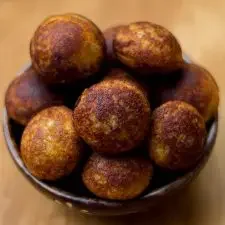
Nei appam are soft, sweet South Indian rice-flour cakes flavoured with jaggery, banana, cardamom and dry ginger, then cooked in ghee. They are traditionally made for Karthigai Deepam and are worth the resting time for their fragrant, crisp-edged finish.
Ingredients
- 190 mljaggery
- 125 mlwater
- 5cardamom pods
- 1 teaspoondry ginger
- 2ripe bananas
- 250 mlrice flour
- 1/2 teaspoonbaking soda
- 125 mlghee, for frying the appam
Instructions
- 1
Make the syrup
Boil the jaggery with the water until it has dissolved completely and the mixture reaches a rolling boil. Turn off the heat and strain the syrup to remove any dirt or fine grit, then set it aside.
- 2
Grind cardamom
Remove the seeds from the cardamom pods and grind them to a fine powder with a mortar and pestle. Stir the powder into the jaggery syrup.
- 3
Add dry ginger
Add 1 teaspoon of dry ginger to the syrup and mix well.
- 4
Mash the bananas
Mash the 2 very ripe bananas into a paste and stir them into the jaggery syrup.
- 5
Mix and rest
Add the rice flour and baking soda, then mix until combined. The batter will be thick; leave it to rest for 2 hours.
- 6
Cook the appam
Heat a paniyaram pan until hot and add 1 teaspoon of ghee to each mould. Spoon the thick, sticky batter into the moulds; an ice-cream scoop makes this easier, or use another spoon to release batter from a spatula. Cook the appam on both sides until crisp and brown.
- 7
Cool and serve
Remove the appam from the pan and leave them to cool before serving.
What are nei appam?
Nei appam are small South Indian sweet cakes, traditionally prepared for Karthigai Deepam. Their name refers to the ghee used to cook them, while jaggery, rice flour and banana give them their characteristic sweetness and tender centre.
This version builds flavour in the jaggery syrup with cardamom and dry ginger, then lets the batter rest before cooking. The paniyaram pan helps give each appam a browned outside and soft middle.
Nutrition and macros by portion
The nutrition label shows one serving as written: 120 calories, 1g protein, 21g carbs, 5g fat.
| Portion | Adjustment | kcal | Protein | Carbs | Fat |
|---|---|---|---|---|---|
| Lighter | Use less ghee | 84 kcal | 1g | 15g | 4g |
| This serving | As written | 120 kcal | 1g | 21g | 5g |
| Hungry | Serve a larger portion | 180 kcal | 2g | 32g | 8g |
Jaggery, banana and rice flour provide most of the carbohydrates, while ghee supplies most of the fat; the banana and rice flour contribute a little protein. Pair a couple of appam with plain yoghurt or a savoury dish to make a more balanced plate.
The jaggery syrup
Straining the syrup removes any grit that may be in the jaggery. Let it stop boiling before you strain it, and handle the hot syrup carefully.
Banana and batter texture
Ripe bananas: mash them thoroughly so they blend smoothly into the syrup and don't leave large lumps in the batter.
Rice flour: expect a thick, sticky mixture rather than a pourable batter. The two-hour rest gives the flour time to absorb moisture.
Fragrant spices
Cardamom seeds: grind them finely for an even flavour throughout the appam. The recipe uses the seeds rather than the whole pods.
Dry ginger: its warm, gently pungent flavour balances the sweetness of jaggery and banana. Mix it into the syrup so it disperses before the flour goes in.
Cooking in a paniyaram pan
Heat the pan before adding ghee and batter so the appam begin to brown as they cook. Use 1 teaspoon of ghee in each mould, as specified in the method.
The batter is sticky, so a scoop or a second spoon can help portion it neatly. Cook both sides until crisp and brown, turning each appam as needed.
Serving and timing
The batter needs a two-hour rest, so allow for that before cooking; the recipe gives a total time of 200 minutes. The appam are ready when both sides are browned and crisp.
Serve them on their own as a sweet snack or alongside a South Indian festive meal. Let them cool briefly after removing them from the pan.
Recipe notes & tips
- Strain the jaggery syrup to remove any grit before mixing the batter.
- Use very ripe bananas so they mash easily into a smooth paste.
- Grind the cardamom seeds finely to avoid coarse pieces in the appam.
- Rest the batter for the full 2 hours before cooking.
- Use an ice-cream scoop or a second spoon to handle the sticky batter.
- Cook the appam on both sides until crisp and brown.
Variations
- Extra cardamom: add a little more ground cardamom for a stronger floral aroma.
- Banana choice: use small, very ripe bananas for a more pronounced banana flavour.
- Ghee finish: brush a little ghee over the cooked appam while they are still warm.
- Smaller appam: spoon less batter into each mould for smaller, bite-sized cakes.
- Warm spices: add a pinch of ground cinnamon alongside the cardamom and dry ginger.
Common mistakes to avoid
- Skipping the straining: grit can remain in jaggery, so strain the syrup before using it.
- Using underripe bananas: they are harder to mash and less sweet; choose very ripe ones.
- Expecting a thin batter: this mixture is meant to be thick and sticky, so don't add extra liquid.
- Skipping the rest: cook only after the batter has rested for 2 hours.
- Overfilling the moulds: leave space for the batter to cook through and turn neatly.
- Removing them too soon: wait until both sides are crisp and brown.
How to store
Once cool, store the appam in an airtight container in the fridge for up to 3 days. Reheat them in a pan over low heat until warmed through, or briefly in the microwave; a pan helps bring back some crispness.
Frequently asked questions
Why does the batter need to rest?
The recipe rests it for 2 hours, giving the rice flour time to absorb moisture from the jaggery syrup and banana. The batter will still be thick and sticky.
Can I make the batter ahead?
You can mix it and let it rest for the specified 2 hours before cooking. If preparing it further ahead, keep it covered in the fridge and stir it before use.
How do I know when nei appam are cooked?
Cook them on both sides until crisp and brown, as the method directs. If they brown very quickly, lower the heat so the centres have time to cook.
Can I make these without a paniyaram pan?
The recipe is designed for a paniyaram pan, which shapes the appam into small rounds. A small, well-greased pan can be used to cook small portions, though the shape will differ.
Why is the batter so sticky?
The combination of mashed banana, jaggery syrup and rice flour makes a thick batter. Use a scoop or a second spoon to transfer it into the moulds.
Can I use whole cardamom pods in the batter?
The recipe calls for removing the seeds and grinding them finely. Use the ground seeds for an even flavour and leave the empty pods out.
Cook it from the original
This recipe comes from kannammacooks.com. Their page has the author’s own photos, notes and tips — the best place to cook it from.
Open the recipe on kannammacooks.com