
Chicken Teriyaki
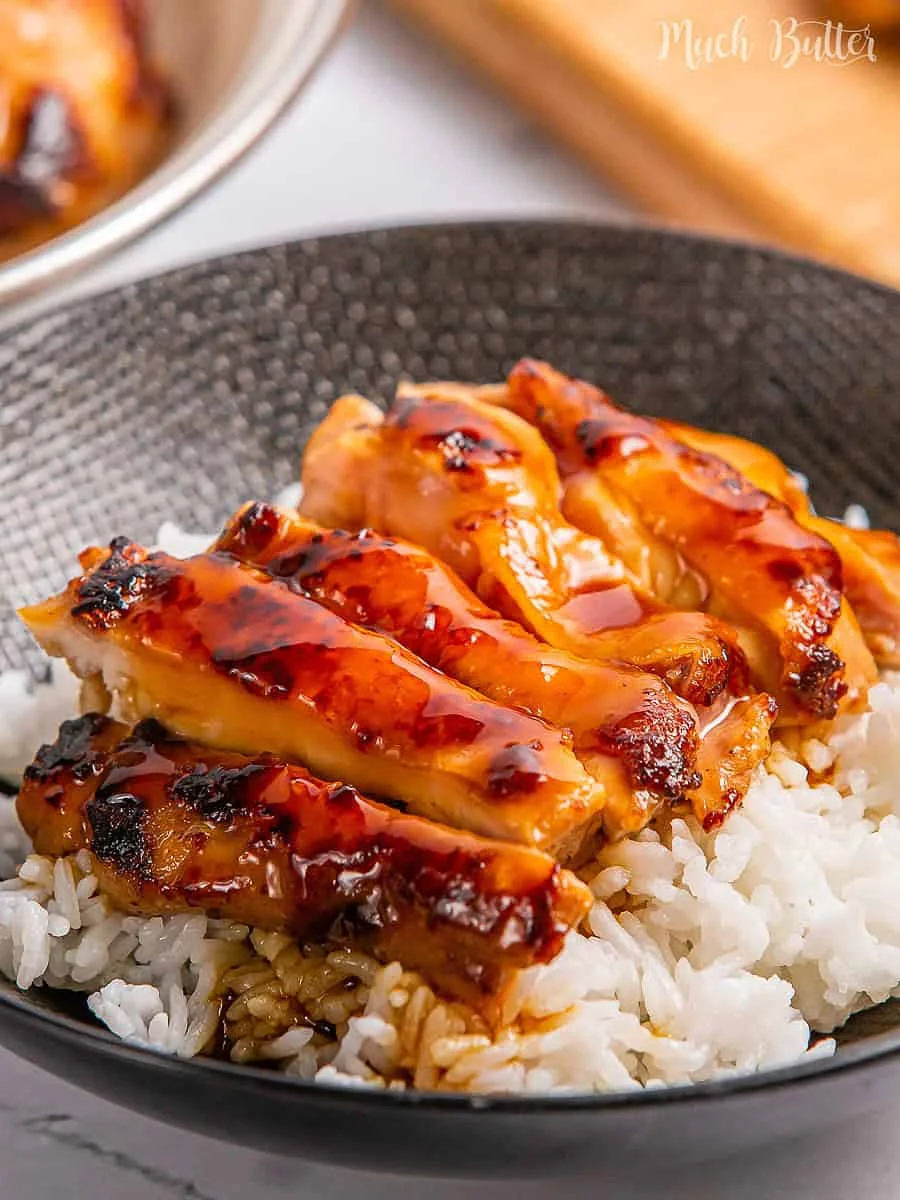
Chicken teriyaki pairs golden, savoury chicken thighs with a glossy soy, palm sugar and ginger sauce. This version builds flavour with a short marinade and thickens extra sauce for serving over warm rice.
Ingredients
- 8boneless chicken thighs, skin on
- 22.5 ml (1½ tbsp)cornflour
- 150 ml (10 tbsp)teriyaki sauce mixture
- 5 ml (1 tsp)salt
- 1.25 ml (¼ tsp)white pepper
- 45 ml (3 tbsp)cooking oil
- 4 clovesgarlic, grated
- 15 ml (1 tbsp)ginger, grated
- 30 ml (2 tbsp)water
- 120 ml (½ cup)soy sauce
- 150 g (¾ cup)palm sugar
- 240 ml (1 cup)stock
- 15 ml (1 tbsp)apple cider vinegar
- 7.5 ml (½ tbsp)cornflour
Instructions
- 1
Extract aromatics
Add 1 tbsp water each to the grated garlic and ginger. Leave for 15 minutes, then strain and press out the liquid; use only the juice for this recipe. Save the garlic and ginger solids for another dish.
- 2
Mix the sauce
Combine the garlic and ginger juice with the soy sauce, palm sugar, stock and apple cider vinegar, leaving out the cornflour. Stir until the palm sugar has dissolved.
- 3
Marinate chicken
In a large bowl, mix the chicken thighs with 1½ tbsp cornflour, salt, white pepper and 10 tbsp of the teriyaki sauce mixture. Leave to marinate for 30 minutes.
- 4
Brown the chicken
Heat 1 tbsp cooking oil in a pan over medium-high heat. Cook the chicken in batches without crowding the pan. Once golden brown, turn each piece, add 3 tbsp water and cook until the water has been absorbed. Repeat with the remaining chicken.
- 5
Thicken the sauce
Pour the remaining teriyaki sauce mixture into a saucepan and heat over low to medium heat. Mix the remaining cornflour with water, add it to the pan and stir until the sauce thickens.
- 6
Slice and serve
Transfer the chicken to a chopping board and cut it into bite-sized pieces. Serve with warm rice and drizzle with some of the teriyaki sauce.
What is chicken teriyaki?
Teriyaki is a Japanese cooking style in which food is grilled or cooked with a glossy, savoury-sweet glaze. The name is associated with the shine of the sauce and the cooking method.
This version uses skin-on chicken thighs, soy sauce, palm sugar, ginger and garlic. Browning the chicken separately and thickening the remaining sauce gives you crisped edges and a coating to spoon over the finished pieces.
Nutrition and macros by portion
The nutrition label shows one serving as written: 560 calories, 35g protein, 30g carbs, 32g fat.
| Portion | Adjustment | kcal | Protein | Carbs | Fat |
|---|---|---|---|---|---|
| Lighter | Less skin, more greens | 392 kcal | 25g | 21g | 22g |
| This serving | As written | 560 kcal | 35g | 30g | 32g |
| Hungry | Larger chicken portion | 840 kcal | 53g | 45g | 48g |
Chicken provides most of the protein, while the palm sugar and rice served alongside contribute much of the carbohydrate. The chicken skin and cooking oil are the main sources of fat, and soy sauce contributes much of the sodium. Serve with a generous portion of vegetables and a moderate scoop of rice to balance the plate.
Building the teriyaki sauce
Aromatics: soaking the grated garlic and ginger in water for 15 minutes draws out their juices, which are used in the sauce. Press them firmly through the strainer to get as much liquid as possible.
Balance: soy sauce brings salt and depth, while palm sugar adds sweetness and body. Apple cider vinegar gives the mixture a little sharpness to balance those richer flavours.
Marinating the thighs
Cornflour: coating the chicken with it helps the marinade cling and encourages a lightly crisp surface as the thighs cook. Mix thoroughly so the seasoning reaches all sides.
Timing: leave the chicken in the marinade for 30 minutes, as specified. Keep it covered and refrigerated while it rests.
Getting a good sear
Batch cooking: leave space between the pieces so they brown rather than steam. Use the remaining cooking oil as needed for subsequent batches.
Doneness cue: wait for a golden-brown surface before turning. After adding the water, cook until it has been absorbed, as directed; check that the chicken is cooked through before serving.
Thickening the sauce
Slurry: stir the remaining cornflour with water until smooth before adding it to the saucepan. The recipe does not specify an amount of water for this step, so add enough to make a pourable mixture.
Consistency: keep stirring over low to medium heat until the sauce thickens. It should be easy to drizzle over the sliced chicken.
Serving the chicken
Rice: warm rice makes a simple base for the chicken and catches the extra sauce. Slice the thighs into bite-sized pieces after cooking so they are easy to serve.
Finish: drizzle with some sauce at the table, keeping any extra on the side. Steamed vegetables such as broccoli or greens also work well alongside.
Recipe notes & tips
- Strain the garlic and ginger juice thoroughly so the sauce has a smooth texture.
- Keep the chicken refrigerated during its 30-minute marinade.
- Cook in batches to leave room for the thighs to brown.
- Use a separate spoon for the raw marinade and finished sauce.
- Stir the sauce continuously after adding the cornflour slurry to prevent lumps.
Variations
- Use chicken breast: cut it into even pieces and watch closely so it does not dry out.
- Add sesame: scatter toasted sesame seeds over the chicken just before serving.
- Include spring onions: slice them thinly and use as a fresh garnish.
- Add chilli: serve with sliced fresh chilli for a spicier finish.
- Serve with noodles: swap the warm rice for plain noodles to catch the sauce.
Common mistakes to avoid
- Crowding the pan: the chicken can steam instead of browning, so cook it in batches.
- Turning too soon: wait until the underside is golden before flipping the thighs.
- Adding dry cornflour: mix it with water first to avoid lumps in the sauce.
- Boiling the sauce hard: keep it at low to medium heat and stir as it thickens.
- Skipping the rest: allow the full 30 minutes for the marinade to coat the chicken.
How to store
Refrigerate leftover chicken and sauce in an airtight container for up to 3 days. Reheat until piping hot in a covered pan over a low heat, adding a splash of water if the sauce has thickened too much.
Frequently asked questions
Can I make the teriyaki sauce ahead?
Yes. Prepare the sauce mixture in advance and keep it covered in the fridge. Thicken it in a saucepan when you are ready to serve.
Can I use chicken thighs without skin?
Yes, though the chicken will have less crisp, browned skin. Keep an eye on the cooking time so the meat stays moist.
How do I know when the chicken is cooked?
The outside should be golden and the chicken cooked through at the centre. If using a food thermometer, check the thickest part.
What should I serve with chicken teriyaki?
Warm rice is the suggested pairing. Steamed greens or broccoli make useful additions to the plate.
Why is my teriyaki sauce lumpy?
The cornflour may not have been mixed with water before it was added. Make a smooth slurry first, then stir it into the warm sauce gradually.
Cook it from the original
This recipe comes from muchbutter.com. Their page has the author’s own photos, notes and tips — the best place to cook it from.
Open the recipe on muchbutter.com