
Tuna Melt
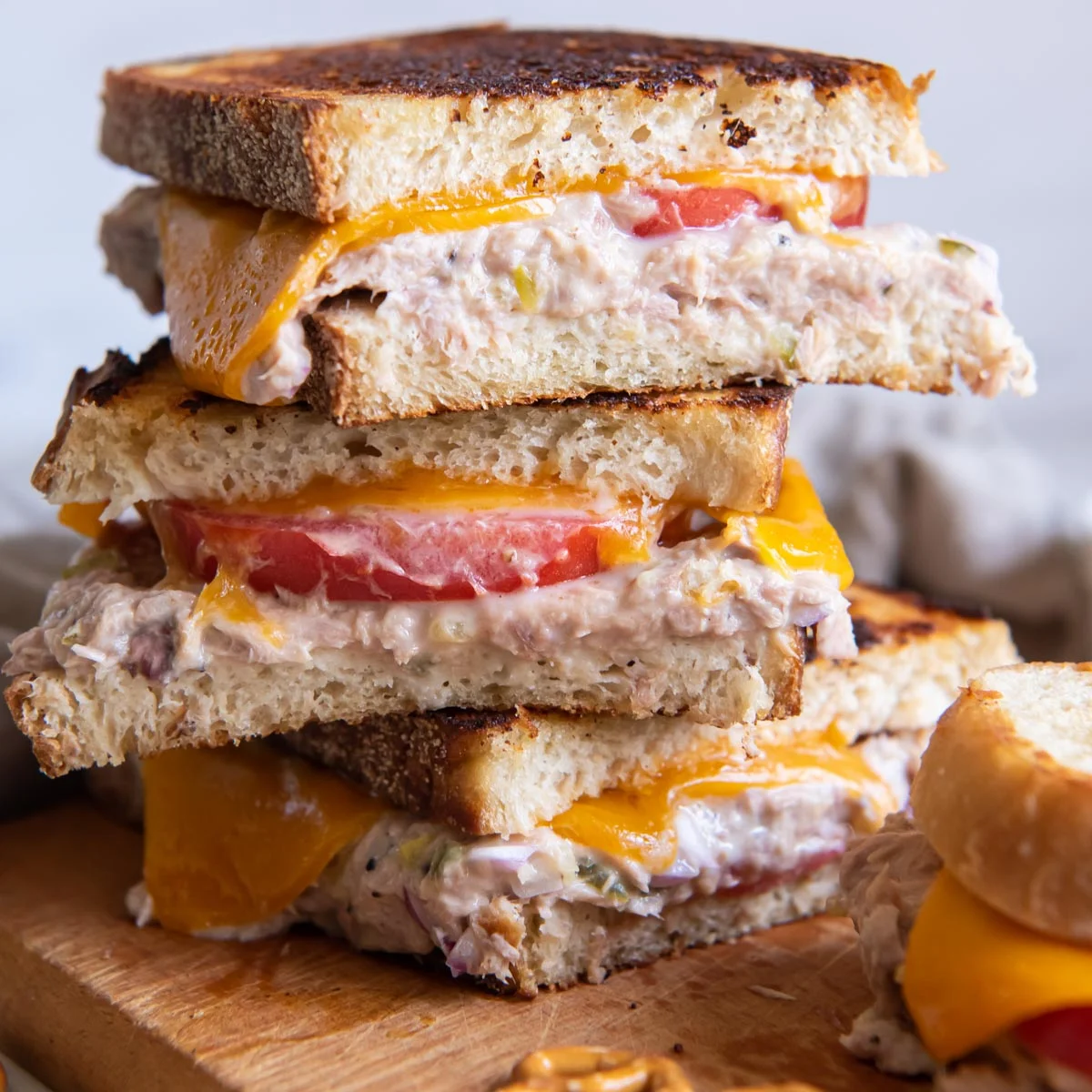
A tuna melt pairs creamy, tangy tuna salad with sharp cheddar and crisp, butter-toasted bread. It makes a quick, comforting lunch or dinner using a skillet and simple ingredients.
Ingredients
- 142 g (5 oz), drained wellcanned tuna in water
- 30 ml (2 tablespoons)plain Greek yoghurt or mayonnaise
- 15 ml (1 tablespoon)sweet pickle relish
- 15–30 ml (1–2 tablespoons)finely chopped red onion
- to tastesalt and pepper
- 4 slicesbread, such as 1.3 cm (½-inch) thick sliced ciabatta, sourdough or wholemeal
- 14 g (1 tablespoon), softened to room temperaturesalted butter
- 57 g (2 oz)sliced sharp Cheddar cheese
- 1, sliced (optional)ripe tomato
Instructions
- 1
Mix the tuna
In a medium bowl, combine the drained tuna, Greek yoghurt or mayonnaise, relish, red onion, salt and pepper. Stir with a fork until evenly mixed.
- 2
Butter the bread
Spread the softened butter over one side of each slice of bread.
- 3
Assemble sandwiches
Layer the tuna mixture, tomato slices if using, and then the cheese between the bread slices, with the buttered sides facing out.
- 4
Cook until golden
Warm a skillet over medium-low heat and add the sandwiches. Cook for 3–5 minutes, until the undersides are golden brown. Carefully flip and cook for about 3 minutes on the other side, until both sides are golden brown, then serve.
What is a tuna melt?
A tuna melt is an American sandwich of tuna salad, melted cheese and toasted bread. It brings together a creamy, savoury filling and a crisp exterior, making it a satisfying option for lunch or a simple dinner.
This version keeps the tuna salad tangy with pickle relish and red onion, while sharp Cheddar gives the sandwich a pronounced cheesy flavour. Tomato is optional, adding a fresh, juicy layer if you like it.
Nutrition and macros by portion
The nutrition label shows one serving as written: 415 calories, 28g protein, 33g carbs, 19g fat.
| Portion | Adjustment | kcal | Protein | Carbs | Fat |
|---|---|---|---|---|---|
| Lighter | Use yoghurt, less butter | 291 kcal | 20g | 23g | 13g |
| This serving | As written | 415 kcal | 28g | 33g | 19g |
| Hungry | Add another sandwich | 623 kcal | 42g | 50g | 29g |
The bread and relish provide most of the carbohydrates, while butter and cheese contribute much of the fat. Tuna supplies a substantial share of the protein, with additional protein from the cheese and Greek yoghurt if used. Pair a sandwich with salad or crunchy vegetables for a fresh side.
Build a balanced tuna salad
Tuna: Drain it well before mixing so the filling stays cohesive rather than watery. Break up any large pieces with a fork as you stir.
Dressing: Greek yoghurt makes a tangy, creamy binder; mayonnaise is the richer alternative offered in the recipe. Relish adds sweetness and acidity, while red onion brings a little bite.
Choose bread and cheese
Bread: Ciabatta, sourdough and wholemeal are all suitable; choose slices sturdy enough to hold the filling. Bread around 1.3 cm thick gives the sandwich structure while still toasting through.
Cheese: Sharp Cheddar brings a savoury flavour that stands up to the tuna. Arrange it over the filling so it can melt as the sandwich cooks.
Toast gently for an even melt
Butter: Softened butter spreads more easily and helps the outside of the bread brown evenly. Coat the outer faces of all four slices, rather than the sides that touch the filling.
Heat: Medium-low gives the cheese time to soften before the bread becomes too dark. Let the first side turn golden, then flip carefully and cook the second side for about 3 minutes.
Check the texture as it cooks
Bread: Look for a golden-brown surface and a crisp feel at the edges. If it is colouring too fast, lower the heat so the middle has more time to warm.
Cheese: The sandwich is ready when the cheese has softened and the filling is hot. A gentle press with a spatula can help the layers make contact, but avoid squeezing out the tuna mixture.
Serve it while hot
Fresh side: A green salad or sliced raw vegetables add a crisp contrast to the warm, rich sandwich. Soup is another easy accompaniment, especially on a chilly day.
Cutting: Let the sandwiches rest briefly after cooking, then cut them in half so the filling is less likely to spill. Serve straight away for the best contrast between crisp bread and soft cheese.
Recipe notes & tips
- Drain the tuna thoroughly before making the filling.
- Chop the red onion finely so it distributes evenly through the tuna.
- Keep the heat at medium-low to give the cheese time to soften.
- Use a broad spatula when flipping to keep the filling between the bread.
- Add the tomato in a thin layer to avoid making the bread soggy.
Variations
- Use mayonnaise: Swap it for the Greek yoghurt for a richer, creamier tuna salad.
- Try another cheese: Use a similarly meltable sliced cheese if sharp Cheddar is not available.
- Add tomato: Layer in the optional ripe tomato for a juicy, fresh note.
- Change the bread: Choose ciabatta, sourdough or wholemeal according to the texture you prefer.
- Adjust the onion: Use 15 ml for a milder bite or up to 30 ml for more onion flavour.
Common mistakes to avoid
- Wet tuna: Drain it well before mixing so the filling does not turn loose.
- Too much heat: Cook over medium-low so the bread does not brown before the cheese softens.
- Unbuttered surfaces: Butter the outer side of every slice for an evenly toasted crust.
- Overfilled sandwich: Keep the tuna and tomato in an even layer so the sandwich is easier to flip.
- Flipping too soon: Wait until the first side is golden brown before turning the sandwich.
How to store
These sandwiches are best eaten as soon as they are cooked. Refrigerate leftover tuna salad in a covered container and use within 3 days; assemble and toast fresh rather than storing a cooked sandwich.
Frequently asked questions
Can I use mayonnaise instead of Greek yoghurt?
Yes. The recipe allows either; mayonnaise gives the tuna salad a richer flavour, while Greek yoghurt is tangier.
Can I leave out the tomato?
Yes. Tomato is optional, so you can simply assemble the sandwich with tuna and cheese.
How do I stop the bread browning before the cheese melts?
Keep the skillet over medium-low heat and give the sandwich time to warm through. If the bread colours too quickly, reduce the heat.
What bread works best for a tuna melt?
The recipe suggests ciabatta, sourdough or wholemeal, ideally sliced about 1.3 cm thick. Choose slices sturdy enough to hold the filling.
Can I prepare the tuna filling ahead?
Yes. Mix it in advance and refrigerate it in a covered container, then assemble and cook the sandwiches when you are ready to eat.
Cook it from the original
This recipe comes from kristineskitchenblog.com. Their page has the author’s own photos, notes and tips — the best place to cook it from.
Open the recipe on kristineskitchenblog.com