
Poulet Yassa - Authentic Senegalese Chicken
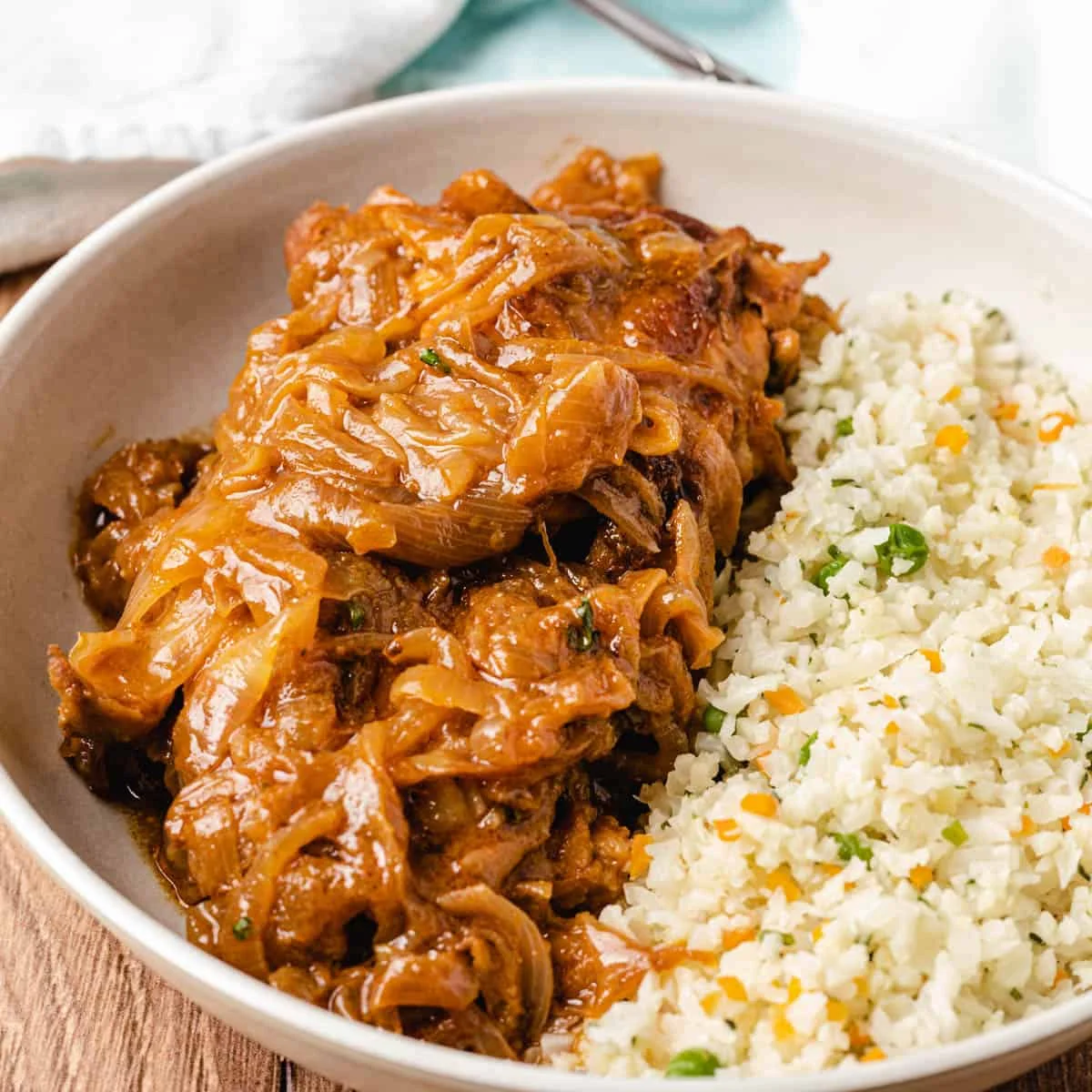
Poulet yassa is a Senegalese chicken dish built around a tangy marinade and plenty of onions. Marinating ahead gives the chicken time to take on the lemon and mustard, while the onions become soft and richly flavoured in the pan.
Ingredients
- 4chicken thighs
- 45 ml (3 tbsp)olive oil
- 2 largeonions, thinly sliced
- 3garlic cloves, minced
- 30 ml (2 tbsp)Dijon mustard
- 240 ml (1 cup)chicken broth
- 60 ml (¼ cup)lemon juice
- 5 ml (1 tsp)smoked paprika
- 2.5 ml (½ tsp)cayenne pepper
- 5 ml (1 tsp)bouillon powder
- 2.5 ml (½ tsp), or to tastesalt
Instructions
- 1
Prepare chicken
Wash and pat the chicken dry, then put it in a large bowl.
- 2
Make marinade
Add the garlic, onions, lemon juice, mustard and spices to the bowl.
- 3
Marinate chicken
Mix everything together, cover and refrigerate for 2 hours or overnight.
- 4
Separate marinade
Lift the chicken out and scrape off the marinade and onions, keeping them to use later.
- 5
Heat the oil
Add some of the olive oil to a skillet or large Dutch oven and arrange the chicken in it.
- 6
Brown chicken
Brown the chicken over a medium-high heat for 4–5 minutes on each side.
- 7
Cook onions
Remove the chicken, add the onions and pour in the remaining marinade.
- 8
Caramelise onions
Cook over a low to medium-low heat for about 5 minutes, until the onions are caramelised.
- 9
Return chicken
Add the browned chicken pieces to the caramelised onions.
- 10
Simmer until cooked
Pour the chicken broth into the hot pan and cook for 15–20 minutes, until the chicken is fully cooked.
- 11
Adjust seasoning
Taste and add more salt if needed.
What is poulet yassa?
Poulet yassa is a well-known Senegalese dish of chicken cooked with a generous amount of onions and a sharp, savoury marinade. Its flavours centre on citrus and mustard, with the onions bringing sweetness as they soften in the pan.
This version uses smoked paprika and cayenne alongside the lemon, mustard and garlic. Marinating the chicken first and cooking the onions separately helps build flavour in stages.
Nutrition and macros by portion
The nutrition label shows one serving as written: 403 calories, 21g protein, 14g carbs, 30g fat.
| Portion | Adjustment | kcal | Protein | Carbs | Fat |
|---|---|---|---|---|---|
| Lighter | Less oil, more vegetables | 282 kcal | 15g | 10g | 21g |
| This serving | As written | 403 kcal | 21g | 14g | 30g |
| Hungry | Larger portion with rice | 605 kcal | 32g | 21g | 45g |
The chicken provides most of the protein, while the onions and lemon juice contribute some of the carbohydrates. Olive oil is the main source of fat; serve a moderate portion with rice and plenty of vegetables to round out the plate.
The marinade does the groundwork
Citrus and mustard: Lemon juice gives the marinade its bright tang, while Dijon mustard adds a savoury edge. Garlic, paprika, cayenne and bouillon powder season the chicken as it rests.
Even coating: Mix the ingredients well so the onion slices and seasoning reach all the chicken pieces. Two hours is the stated minimum marinating time; leaving it overnight gives you a convenient make-ahead option.
Brown the chicken first
Dry surface: Scrape the marinade and onions off the chicken before browning, but keep them for the pan. This helps the chicken brown rather than steam in the wet marinade.
Steady heat: Use medium-high heat and brown each side for 4–5 minutes. Work in batches if the pan is crowded, so the pieces have room to colour.
Give the onions time
Soft and golden: Cook the onions with the reserved marinade over low to medium-low heat for about 5 minutes. Stir and watch the pan so the mixture caramelises without catching.
Saucy finish: Once the chicken is back in the pan, the broth creates the liquid for the final simmer. Cook for 15–20 minutes, checking that the chicken is fully cooked before serving.
Adjust the seasoning at the end
Bouillon powder and salt both contribute savouriness, so taste the sauce before adding extra salt. The lemon and onions should remain noticeable rather than being lost beneath the seasoning.
The method calls for salt to be adjusted to taste. If the sauce seems sharp, the sweet, softened onions help round out the overall flavour.
Serving ideas
Serve the chicken with a spoonful of the onions and sauce over rice, which makes a simple base for the tangy juices. You can also add a green vegetable or a crisp salad alongside.
For an easy meal, put the sides on the table as soon as the chicken has finished simmering. That gives you time to taste the sauce and make any final salt adjustment.
Recipe notes & tips
- Slice the onions thinly so they soften evenly during the short cooking stage.
- Keep the scraped-off marinade and onions; they go into the pan after the chicken is browned.
- Use a large skillet or Dutch oven so the chicken can brown without being crowded.
- Start checking the chicken towards the end of the stated 15–20-minute simmer.
- Taste the sauce before adding extra salt, as the bouillon powder is already seasoned.
Variations
- More heat: Increase the cayenne slightly if you prefer a fierier sauce.
- Milder flavour: Reduce the cayenne for a gentler version.
- Fresh citrus: Use freshly squeezed lemon juice for a bright, clean tang.
- Extra onions: Add more thinly sliced onion if you want a more generous onion sauce.
- Herb finish: Scatter chopped fresh parsley over the finished dish for a fresh note.
Common mistakes to avoid
- Discarding the marinade: Keep it with the onions, as it becomes part of the sauce.
- Crowding the pan: The chicken may steam rather than brown; brown it in batches if needed.
- Cooking onions too hot: They can catch before softening; keep the heat low to medium-low and stir.
- Adding salt too early: Bouillon powder can be salty; taste the sauce before adjusting.
- Skipping the final doneness check: Simmer until the chicken is fully cooked, allowing more time if needed.
How to store
Refrigerate leftovers promptly in a covered container and use within 3–4 days. Reheat until piping hot throughout, adding a splash of broth or water if the sauce has thickened.
Frequently asked questions
How long should I marinate the chicken?
The method gives 2 hours as the minimum, or overnight in the fridge. Keep the chicken refrigerated while it marinates.
Can I use a different cut of chicken?
The recipe specifies chicken thighs. Other cuts may need a different cooking time, so check that they are fully cooked before serving.
What does the marinade do?
It coats the chicken with lemon, mustard, garlic, onions and spices before cooking. The reserved marinade and onions are then cooked into the sauce.
How can I tell when the onions are ready?
After about 5 minutes over low to medium-low heat, they should be softened and caramelised. Stir regularly and lower the heat if they start to catch.
What should I serve with poulet yassa?
Rice works well with the savoury, tangy onion sauce. A green vegetable or salad makes a fresh accompaniment.
Can I make it ahead?
You can marinate the chicken overnight in the fridge. Cook the dish before serving, then refrigerate any leftovers promptly.
Cook it from the original
This recipe comes from lowcarbafrica.com. Their page has the author’s own photos, notes and tips — the best place to cook it from.
Open the recipe on lowcarbafrica.com