
Ndole (Cameroonian Peanut Stew)
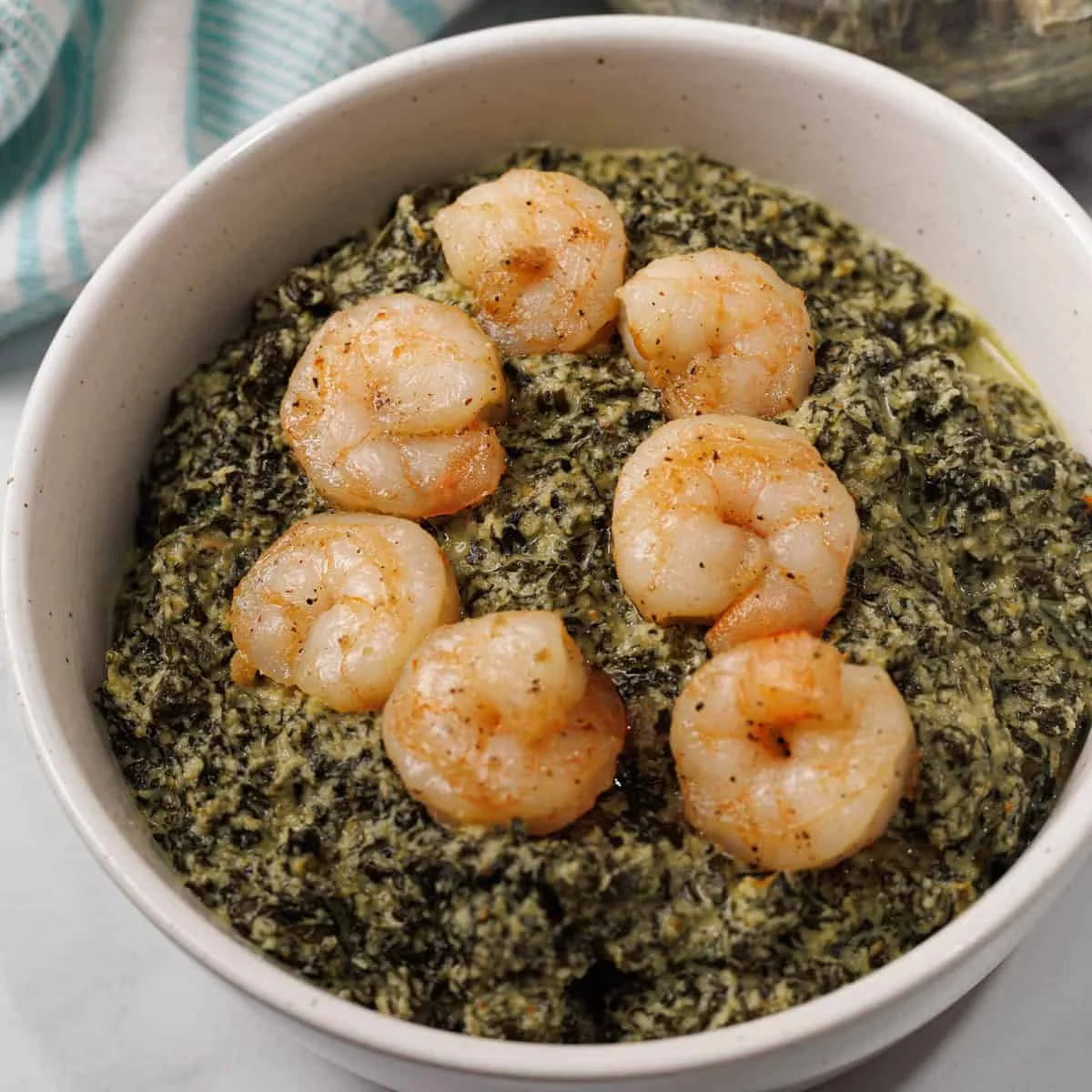
Ndole is a Cameroonian peanut and bitterleaf stew with beef and shrimp, combining earthy, savoury and gently bitter flavours. It is a celebratory dish that makes a generous, hearty meal for sharing.
Ingredients
- 454 gfrozen bitter leaves (or spinach)
- 1 largeonion
- 300 g (2 cups)raw, peeled peanuts
- 454 gjumbo shrimp, peeled and deveined
- 3 clovesgarlic
- 30 ml (2 tbsp)olive oil
- 30 ml (2 tbsp)crayfish
- 2.5 ml (½ tsp)cayenne pepper
- 15 ml (1 tbsp)bouillon powder
- A pinchsalt and black pepper (for the shrimp)
- To tastesalt
- 454 gstew beef
- 5 ml (1 tsp)salt
- 5 ml (1 tsp)black pepper
- 5 ml (1 tsp)bouillon powder
Instructions
- 1
Season the beef
Put the stew beef in a large pot with the salt, black pepper and bouillon powder.
- 2
Simmer the beef
Add enough water to cover the meat. Simmer for about 30 minutes, or until the beef is as tender as you like.
- 3
Boil the peanuts
In a separate pot, boil the peanuts for approximately 10 minutes.
- 4
Blend the peanuts
Drain the peanuts and leave them to cool. Put them in a food processor with the onion, garlic and a little water, then blend to a smooth purée.
- 5
Add the purée
Pour the peanut mixture into the pot with the cooked beef and add the rest of the spices. Simmer for a further 10 minutes.
- 6
Prepare fresh leaves
If using fresh bitter leaves, wash them thoroughly to reduce their bitterness. This usually means rinsing them in cold water, often with a little baking soda.
- 7
Thaw frozen leaves
If using frozen bitter leaves, thaw them for an hour or use a microwave. Rinse under cold running water and drain.
- 8
Simmer the leaves
Stir the bitter leaves into the ndole. Add the remaining spices and simmer for a further 10 minutes, stirring every few minutes.
- 9
Cook the shrimp
Heat the olive oil in a separate pan. Cook the shrimp, seasoning them with a little salt and black pepper.
- 10
Check the shrimp
Cook the shrimp for 5–10 minutes, or until they turn pink.
- 11
Finish the stew
Add the cooked shrimp to the pot of ndole and simmer for a few more minutes.
- 12
Serve the ndole
Serve and enjoy.
What is ndole?
Ndole, also written ndolé, is a Cameroonian stew associated with special occasions and celebrations. Bitterleaf gives it its distinctive taste, while peanuts make the broth rich and substantial.
This version combines the leaves and peanut base with beef and shrimp. The meat simmers first, so its cooking liquid can join the stew as the flavours come together.
Nutrition and macros by portion
The nutrition label shows one serving as written: 528 calories, 39g protein, 21g carbs, 35g fat.
| Portion | Adjustment | kcal | Protein | Carbs | Fat |
|---|---|---|---|---|---|
| Lighter | Use less peanut purée | 370 kcal | 27g | 15g | 25g |
| This serving | As written | 528 kcal | 39g | 21g | 35g |
| Hungry | Serve with extra rice | 792 kcal | 59g | 32g | 53g |
Peanuts and olive oil provide much of the fat, while beef and shrimp contribute most of the protein. The peanuts, onion and leaves also supply carbohydrates; serve with a modest portion of rice or add extra vegetables to balance the plate.
Building the peanut base
Boiled peanuts: cooking them for about 10 minutes softens them before blending. Let them cool after draining, then add only a little water at first so the purée stays smooth and thick.
Aromatics: onion and garlic are blended with the peanuts rather than added separately. This disperses their flavour throughout the broth.
Preparing the bitter leaves
Frozen leaves: thaw them fully, rinse under cold running water and drain before adding them. Excess water can thin the stew.
Fresh leaves: wash them thoroughly to temper their bitterness. The recipe suggests cold water and, often, a little baking soda; rinse well before using.
Getting the beef tender
Beef first: simmer the seasoned stew beef for about 30 minutes, checking whether it has reached the tenderness you prefer. The exact time can vary with the cut and size of the pieces.
Keep it covered: use enough water to cover the meat at the start. Once the peanut purée is added, let the mixture simmer gently for the stated 10 minutes.
Adding the shrimp
Separate pan: cook the shrimp in olive oil and season with a pinch of salt and black pepper. This keeps them easy to monitor before they go into the stew.
Doneness cue: the method gives a cooking time of 5–10 minutes and says to cook until pink. Add the shrimp to the pot at the end and simmer only a few more minutes.
Texture and seasoning
Thick and hearty: the peanut purée gives the broth body, while the leaves add texture. Stir every few minutes during the final leaf simmer so the mixture cooks evenly.
Season gradually: bouillon powder, salt, pepper, cayenne and crayfish all contribute savoury flavour. Taste before adding extra salt, particularly because bouillon powder can already be salty.
Serving the stew
Serve ndole hot as a main dish. Rice or another plain staple can accompany it, offering a simple contrast to the rich peanut broth.
For a balanced plate, add a portion of vegetables or a fresh, crisp side. Keep any accompaniments separate until serving so the stew’s texture remains the focus.
Recipe notes & tips
- Cut the beef into similarly sized pieces so they simmer at a similar rate.
- Let the boiled peanuts cool before processing them.
- Add water to the food processor sparingly to keep the purée thick.
- Drain the thawed leaves well before stirring them into the stew.
- Taste the stew before adding the salt listed as to taste.
- Keep the shrimp in the separate pan until the stew is nearly finished.
Variations
- Use spinach: substitute spinach for bitter leaves if they are unavailable.
- Adjust the heat: reduce or increase the cayenne to suit your preference.
- Make it beef-free: omit the beef and simmer the peanut base before adding the leaves and shrimp.
- Change the seafood: use another peeled seafood in place of the shrimp, adjusting its cooking time as needed.
- Serve with rice: add plain cooked rice alongside the stew for a more substantial meal.
Common mistakes to avoid
- Skipping the leaf rinse: frozen leaves can carry excess water, so rinse and drain them before adding.
- Adding too much blending water: the broth may become thin; use just a little water to make the peanut purée.
- Over-salting early: bouillon powder is already seasoned, so taste the stew before adding extra salt.
- Leaving the beef tough: check it after about 30 minutes and continue simmering if it has not reached the desired tenderness.
- Overcooking the shrimp: watch for them to turn pink, then add them to the stew only for the final few minutes.
How to store
Cool leftovers promptly and refrigerate in a covered container for up to 3 days. Reheat gently in a saucepan until hot throughout, stirring occasionally; add a splash of water if the stew has thickened.
Frequently asked questions
Can I use spinach instead of bitter leaves?
Yes. The ingredient list gives spinach as a substitute. Its flavour is milder, so the stew will not have the same characteristic bitterness.
Do I need to thaw frozen bitter leaves first?
Yes. Thaw them for an hour or use a microwave, then rinse under cold running water and drain before adding them to the pot.
How can I tell when the beef is tender?
Check a piece after about 30 minutes of simmering. If it is not yet as tender as you like, continue simmering until it reaches your preferred texture.
How thick should the peanut purée be?
Blend the boiled peanuts, onion and garlic with only a little water, aiming for a smooth purée. Adding water gradually makes it easier to avoid a thin base.
Can I make ndole ahead?
You can cook the stew ahead and refrigerate it, then reheat it gently. For the best texture, take care not to cook the shrimp for much longer than the method specifies.
What can I serve with ndole?
Plain rice is a simple accompaniment, and extra vegetables or a crisp side can round out the plate.
Cook it from the original
This recipe comes from lowcarbafrica.com. Their page has the author’s own photos, notes and tips — the best place to cook it from.
Open the recipe on lowcarbafrica.com