
The Best Bolognese Sauce
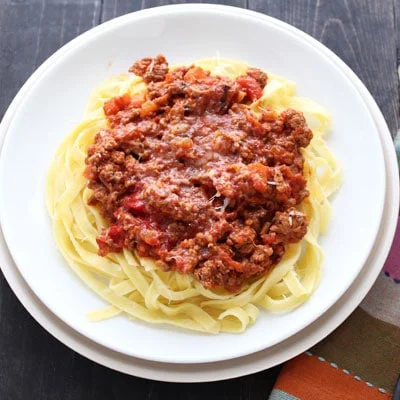
This slow-simmered Bolognese combines beef and pork with pancetta, vegetables, wine, milk and tomatoes for a rich, savoury pasta sauce. It takes time to cook, but most of that is hands-off simmering.
Ingredients
- 30 ml (2 tablespoons), dividedolive oil
- 567 g (1 1/4 pounds)ground beef
- 567 g (1 1/4 pounds)ground pork
- to tastekosher salt and freshly ground pepper
- 113 g (4 ounces)pancetta or bacon, sliced
- 1yellow onion, finely diced
- 2carrots, peeled and finely diced
- 1celery stalk, finely diced
- 5garlic cloves, minced
- 85 g (1/3 cup; 3 ounces)tomato paste
- 237 ml (1 cup)dry red wine
- 237 ml (1 cup)milk
- 2 cans, 794 g (28 ounces) eachwhole tomatoes, passed through a food mill
- 2bay leaves
- 1 bunchfresh thyme, tied together with kitchen string
- 1Parmigiano-Reggiano cheese rind
- 454 g (1 pound)fresh pasta, such as fettuccine, tagliatelle or pappardelle, cooked until al dente and drained
- to tastegrated Parmigiano-Reggiano cheese, for serving
Instructions
- 1
Brown the meat
Heat 15 ml (1 tablespoon) of the olive oil in a large, heavy, deep pot with a lid over medium-high heat. Add the beef and pork, season with salt and pepper, and cook until browned, about 10 to 12 minutes. Transfer to a paper towel-lined plate. Add the pancetta or bacon and cook until crisp, 5 to 7 minutes, then transfer it to the plate.
- 2
Build the sauce
Lower the heat to medium and add the remaining 15 ml (1 tablespoon) olive oil. Add the onion, carrots and celery and cook until soft and translucent, about 8 minutes. Stir in the garlic and cook until fragrant, about 1 minute, then add the tomato paste and cook for 2 minutes. Pour in the wine and simmer until almost evaporated, about 5 minutes. Add the milk, tomatoes, bay leaves, thyme and cheese rind; stir to combine. Return the meats to the pot and season with salt and pepper.
- 3
Simmer and serve
Bring the sauce to a simmer, partially cover the pot and reduce the heat to medium-low. Cook until thickened, about 1 1/2 to 2 hours. Alternatively, transfer the mixture to a slow cooker and cook for 3 1/2 hours. Remove and discard the bay leaves, thyme and cheese rind. Taste and adjust the salt and pepper if needed, then serve with the pasta and grated cheese.
What is Bolognese sauce?
Bolognese, or ragù alla Bolognese, is a meat sauce associated with Bologna in northern Italy. It is traditionally cooked slowly so the meat, vegetables and other ingredients meld into a thick, savoury sauce.
This version combines beef and pork with pancetta, wine, milk and tomatoes. The long simmer gives the mixture time to become cohesive and makes it a hearty match for fresh pasta.
Nutrition and macros by portion
The nutrition label shows one serving as written: 1500 calories, 94g protein, 88g carbs, 88g fat.
| Portion | Adjustment | kcal | Protein | Carbs | Fat |
|---|---|---|---|---|---|
| Lighter | More vegetables, less pasta | 1050 kcal | 66g | 62g | 62g |
| This serving | As written | 1500 kcal | 94g | 88g | 88g |
| Hungry | Larger pasta portion | 2250 kcal | 141g | 132g | 132g |
The pasta and tomatoes provide most of the carbohydrates, while the beef, pork and pancetta contribute protein and much of the fat. Serve a moderate portion of pasta and sauce with vegetables or salad to add freshness and balance the plate.
The meat and vegetables
Beef and pork: Using both gives the sauce a fuller flavour than either meat alone. Brown them first to build flavour in the pot, then return them after the wine has reduced.
Vegetable base: Finely diced onion, carrots and celery soften together before the liquids go in. Cut them to a similar size so they cook evenly and blend into the sauce.
Layering the flavour
Pancetta: Crisp it after browning the meat, so it adds savoury depth and its rendered fat stays in the pot. Bacon works as the listed alternative.
Tomato paste and wine: Cooking the paste briefly deepens its flavour; simmering the wine until nearly gone keeps the sauce from tasting sharply alcoholic. Milk then brings a mellow note to the tomato and meat mixture.
The slow simmer
Gentle heat: Once the sauce reaches a simmer, lower the temperature and partially cover the pot. It should bubble quietly rather than boil hard.
Thickness: The sauce is ready when it has reduced and clings to the meat, rather than looking watery. Stir occasionally and keep the heat low enough to prevent sticking.
Herbs and cheese rind
Thyme and bay: The tied thyme bunch and bay leaves infuse the sauce while it cooks, then are removed before serving. Tying the thyme makes it easier to lift out.
Cheese rind: A Parmigiano-Reggiano rind simmers in the sauce for extra savouriness. Remove it along with the herbs and bay leaves before serving.
Pasta and serving
Fresh pasta: Fettuccine, tagliatelle or pappardelle are all suggested here. Cook the pasta separately until al dente, then drain it before serving with the sauce.
To finish: Spoon the sauce over the pasta and add grated Parmigiano-Reggiano. A simple green salad or cooked vegetables can round out the meal.
Recipe notes & tips
- Brown the meat in batches if the pot is crowded, so it sears rather than steams.
- Keep the diced onion, carrot and celery small and roughly even for consistent softening.
- Let the wine reduce until nearly evaporated before adding the milk and tomatoes.
- Partially cover the pot during the simmer to let the sauce reduce without drying too quickly.
- Taste the sauce after removing the cheese rind and herbs, then adjust the seasoning.
- Cook the pasta close to serving time so it stays al dente.
Variations
- Use bacon: Swap it for the pancetta as the recipe allows, and crisp it in the pot.
- Choose another pasta: Serve the sauce with fettuccine, tagliatelle or pappardelle.
- Slow-cooker method: Transfer the sauce mixture to a slow cooker and cook for 3 1/2 hours.
- Adjust the seasoning: Add more salt and pepper to taste once the sauce has finished simmering.
Common mistakes to avoid
- Crowding the meat: It can steam instead of brown; cook in batches if needed.
- Rushing the vegetables: Give them about 8 minutes to soften and turn translucent.
- Leaving too much wine: Simmer it until almost evaporated before adding the other liquids.
- Boiling the sauce hard: Reduce the heat after it simmers to help it thicken gently.
- Forgetting the aromatics: Remove the bay leaves, thyme and cheese rind before serving.
How to store
Refrigerate leftover sauce in a covered container and use within 3 to 4 days. Reheat it gently in a saucepan, adding a splash of water if it has thickened; store cooked pasta separately when possible.
Frequently asked questions
Can I make this sauce in a slow cooker?
Yes. The method gives a slow-cooker option: transfer the mixture and cook for 3 1/2 hours. Remove the bay leaves, thyme and cheese rind before serving.
How do I know when the sauce is ready?
It should be thickened after about 1 1/2 to 2 hours of simmering. Look for a sauce that clings to the meat rather than pooling thinly.
Can I use dried pasta?
The recipe specifies fresh pasta, but you can serve the sauce with dried pasta if you prefer. Cook it separately until al dente, following its packet instructions.
Do I have to use pancetta?
No. Bacon is listed as an alternative. Cook either one until crisp before continuing with the vegetables.
Why add milk to Bolognese?
Milk is part of this recipe's sauce and adds a mellow element alongside the wine and tomatoes. Add it with the tomatoes and herbs as directed.
Can I prepare the sauce ahead?
Yes. Make the sauce in advance, chill it promptly and store it covered in the fridge. Reheat gently and cook the pasta when you are ready to serve.
Cook it from the original
This recipe comes from handletheheat.com. Their page has the author’s own photos, notes and tips — the best place to cook it from.
Open the recipe on handletheheat.com