
Spaghetti with Meat Sauce
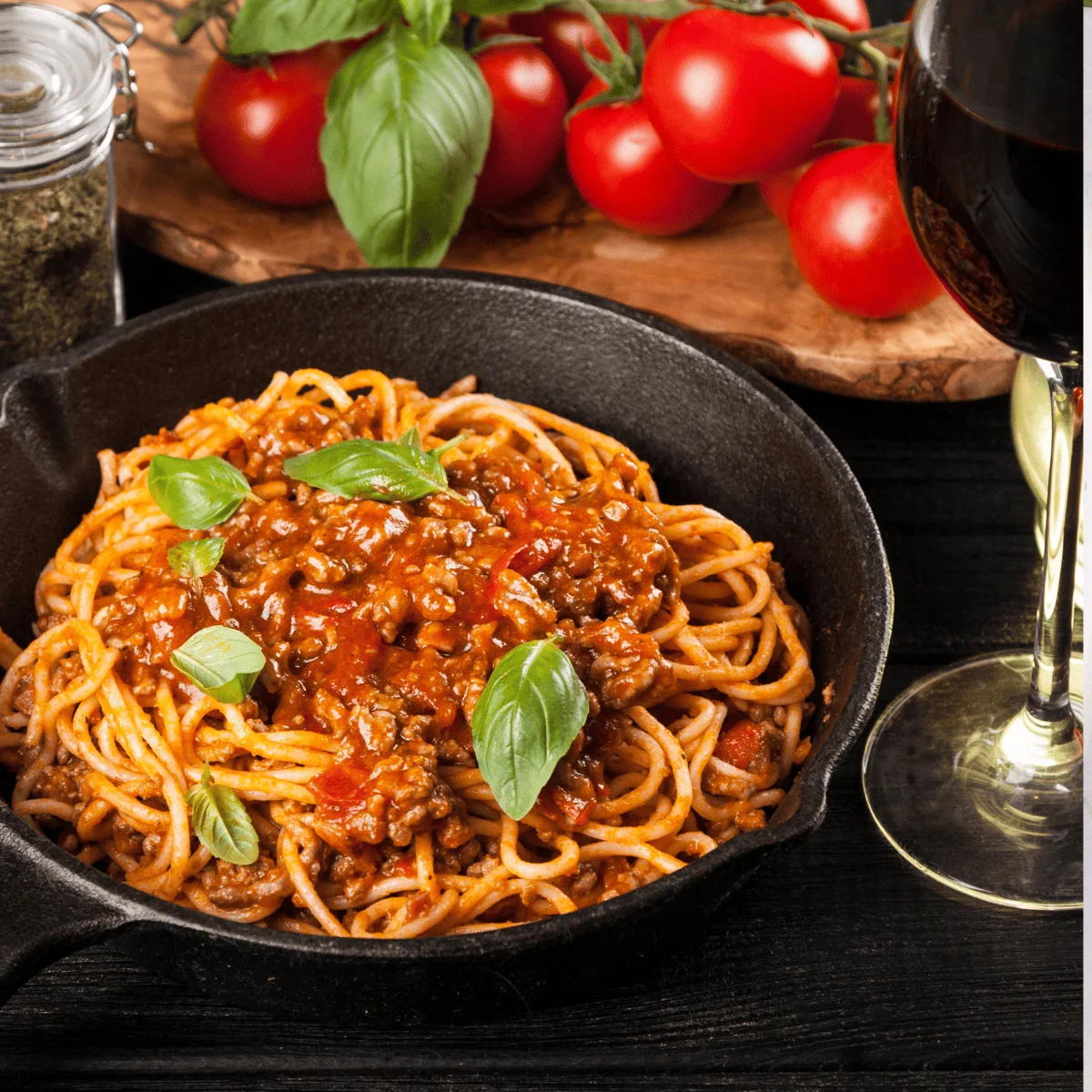
This one-pot spaghetti combines beef, tomato and aromatic vegetables in a savoury sauce, with the pasta cooking right in the pot. It is a practical family dinner when you want a filling meal without a separate pan for the pasta.
Ingredients
- 2 tablespoons (30 ml)olive oil
- 1 pound (454 g)90%-lean minced beef
- 1/2 smallonion, finely diced
- 1 smallcarrot, finely diced
- 1 stalkcelery, finely diced
- 1/4 cup (60 ml)dry white wine (optional)
- 2 tablespoons (30 ml)tomato purée
- 1/2 teaspoondried oregano
- 1 can (28 ounces; about 794 g)crushed San Marzano tomatoes
- 2 cups (475 ml)water, or low-sodium beef stock
- To taste (about 1 teaspoon salt and 1/2 teaspoon black pepper if using water; use less salt with stock)salt and black pepper
- 8 ounces (227 g)spaghetti
- To taste, optionalfresh basil leaves or chopped parsley, to garnish
- 1/2 cup (about 50 g)shaved or grated Parmesan, or Pecorino
Instructions
- 1
Brown the beef
Heat the olive oil in a large pot or Dutch oven over medium-high heat. Add the beef and cook for about 5 minutes, stirring occasionally and breaking it into small crumbles, until browned.
- 2
Soften the vegetables
Lower the heat to medium, add the onion, carrot and celery, and cook, stirring occasionally, for 3–4 minutes until the onion has softened. Stir in the garlic and cook for 1 minute. Pour in the wine and let it nearly evaporate.
- 3
Build the sauce
Stir in the tomato purée and oregano and cook for about 30 seconds. Add the tomatoes, water or stock, and salt and pepper to taste; stir well. Add the spaghetti, ensuring it is fully submerged in the liquid, but do not stir it.
- 4
Cook the pasta
Cover the pot and cook over medium heat for about 12–15 minutes, depending on the spaghetti, until the liquid has been absorbed and the pasta is cooked.
- 5
Finish and serve
Serve the spaghetti topped with shaved or grated cheese. Add fresh basil leaves as a garnish if you like.
What is spaghetti with meat sauce?
This American-style family dinner pairs long pasta with minced beef and a tomato-based sauce. It draws on the familiar Italian-American tradition of serving pasta with a hearty meat sauce, adapted here into a one-pot method.
Cooking the spaghetti in the sauce means it absorbs flavour as it softens, while the beef and vegetables make the dish substantial. The method relies on enough liquid and a snugly covered pot.
Nutrition and macros by portion
The nutrition label shows one serving as written: 605 calories, 36g protein, 62g carbs, 24g fat.
| Portion | Adjustment | kcal | Protein | Carbs | Fat |
|---|---|---|---|---|---|
| Lighter | Use less Parmesan | 424 kcal | 25g | 43g | 17g |
| This serving | As written | 605 kcal | 36g | 62g | 24g |
| Hungry | Larger spaghetti portion | 908 kcal | 53g | 93g | 36g |
The spaghetti and tomatoes supply most of the carbohydrates, while the beef and Parmesan contribute protein; the olive oil and cheese also account for much of the fat. Pair a serving with a generous portion of vegetables or salad to add variety to the plate.
Build flavour in stages
Beef first: browning the mince gives the sauce a savoury base. Break it into small pieces so it cooks evenly and mixes easily through the pasta.
Vegetables next: onion, carrot and celery soften in the same pot, adding sweetness and depth. Let the wine nearly evaporate before adding the tomato ingredients.
Why cook pasta in the sauce?
One-pot cooking saves washing up and lets the spaghetti take on the tomato and beef flavours as it cooks. The pasta also releases some starch into the liquid, helping the sauce cling to it.
Keep the strands submerged when you add them, but follow the method's instruction not to stir at that point. Cover the pot so the pasta cooks in the steam as well as the liquid.
Watch the liquid and doneness
Timing varies with the spaghetti: begin checking at 12 minutes, as the recipe gives a 12–15 minute range. The pasta should be tender, and most of the liquid should have been absorbed.
If the pasta is still firm at the end of that range, continue cooking briefly and check again. Avoid cooking it well past tender, as the strands can turn soft.
Choose the liquid to suit
Wine: the small amount adds aroma, but it is optional. The recipe suggests replacing it with chicken, vegetable or beef stock if you prefer not to use wine.
Water or stock: water keeps the seasoning straightforward, while low-sodium beef stock adds another savoury note. If using stock, season with less salt and adjust at the end.
Finish with cheese and herbs
Parmesan: shaved cheese gives distinct salty bites, while grated cheese spreads more evenly through the serving. Pecorino is an alternative with a different, sharper flavour.
Fresh herbs: basil or chopped parsley can be scattered over the top just before serving. A simple green salad or cooked vegetables make an easy accompaniment.
Recipe notes & tips
- Use a large, wide pot so the spaghetti can sit in the liquid.
- Break up the beef as it browns to avoid large clumps.
- Let the wine nearly evaporate before adding the tomatoes.
- Submerge the spaghetti in the liquid before covering the pot.
- Start checking the pasta at 12 minutes because cooking time depends on its thickness.
- Taste before serving and adjust the seasoning, especially if you used stock.
Variations
- Swap the meat: use minced turkey, chicken or pork instead of beef.
- Change the oil: use a neutral-tasting oil such as rapeseed or vegetable oil.
- Skip the wine: replace it with chicken, vegetable or beef stock.
- Switch the herbs: use an Italian seasoning blend in place of dried oregano.
- Try another cheese: finish with Pecorino instead of Parmesan.
- Add a garnish: use chopped parsley instead of fresh basil.
Common mistakes to avoid
- Leaving the beef in large pieces: break it up with a wooden spoon or spatula as it browns.
- Adding the pasta above the liquid: arrange it so every strand is submerged before covering the pot.
- Stirring after adding the spaghetti: the method says to leave it submerged without stirring at this stage.
- Using too much salt with stock: season more lightly at first, then taste and adjust.
- Cooking by time alone: check the spaghetti for tenderness, as thickness affects how long it takes.
How to store
Refrigerate leftovers in a covered container and use within 3 days. Reheat gently in a saucepan or microwave until hot throughout, adding a splash of water if the pasta has become dry.
Frequently asked questions
Can I leave out the wine?
Yes. Replace it with chicken, vegetable or beef stock, as suggested in the recipe.
Can I use a different minced meat?
Yes. Minced turkey, chicken or pork can be used instead of beef.
How do I know when the spaghetti is done?
Check it from 12 minutes onwards. It should be tender, and most of the cooking liquid should have been absorbed.
Should I stir the spaghetti into the sauce?
The method says to make sure the spaghetti is submerged, but not to stir it when you add it. Keep the pot covered while it cooks.
Can I use stock instead of water?
Yes, use low-sodium beef stock for extra savoury flavour. Add less salt initially, then taste before serving.
Can I make this without Parmesan?
You can omit it or use Pecorino instead. The recipe also allows for either shaved or grated cheese.
Cook it from the original
This recipe comes from easyanddelish.com. Their page has the author’s own photos, notes and tips — the best place to cook it from.
Open the recipe on easyanddelish.com